



1. The Right Footwear Is Non-Negotiable
The single most important item for a monsoon trek is your shoes. Trails that are dusty paths in summer become slippery, muddy, and unpredictable in the rain. Your regular sneakers or sports shoes will not provide the necessary grip, leading to dangerous
slips and falls. Invest in a pair of trekking shoes with high ankle support and deep-grooved, anti-skid soles. High ankle support prevents twists on uneven terrain, while a good grip is essential for navigating wet rocks and slush. It’s also wise to break in your new shoes on shorter walks before the main trek to avoid painful blisters. Remember, comfortable and dry feet are key to an enjoyable hike, so good footwear is an investment in your safety and comfort.
2. Master the Art of Staying Dry
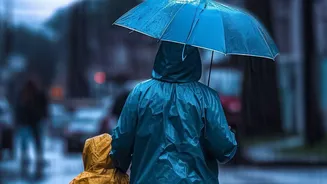
Getting drenched in a sudden downpour might seem fun for a moment, but staying wet for hours can lead to a drop in body temperature and ruin your experience. Your waterproofing strategy needs two parts: protecting yourself and protecting your gear. For yourself, a high-quality poncho is often better than just a raincoat, as it can be thrown over both you and your backpack. Also, avoid cotton clothes at all costs. Cotton absorbs moisture, gets heavy, and takes forever to dry. Instead, opt for quick-drying synthetic materials like polyester for your t-shirts and trekking pants. For your gear, a waterproof backpack cover is essential. Additionally, pack electronics, a wallet, and a spare set of clothes in separate dry bags or sealed plastic bags inside your main pack. This ensures you have something dry to change into and your valuables are safe.
3. Pack Smart for Energy and Hydration
It might feel cool and wet, but you will still sweat and lose electrolytes while hiking. Many first-timers make the mistake of not drinking enough water because it's not hot. Dehydration can set in quickly, leading to fatigue and dizziness. Carry at least two litres of water. It's also crucial to keep your energy levels up. Pack lightweight, high-energy snacks that are easy to eat on the go. Good options include nuts, dates, energy bars, and trail mixes. These provide a quick and sustained release of energy to power you through challenging sections of the trail. You should also carry a few packets of an oral rehydration solution (ORS) as a backup to quickly replenish lost salts and sugars if you feel drained.
4. Prioritise a First-Aid and Safety Kit
A well-stocked first-aid kit is a must on any trek, but it’s especially critical during the monsoon. Your kit should include the basics like antiseptic wipes, bandages, pain relief spray, and medication for common ailments. Given the wet conditions, add blister tape or a blister prevention stick. The monsoon also brings out leeches and insects. Carry a small bottle of sanitizer, salt, or tobacco powder for leech removal, and don't forget a good insect repellent. Beyond first-aid, your safety kit should include a fully charged power bank for your phone, a headlamp or torch (as rain clouds can make it get dark early), and a whistle to signal for help in an emergency. Informing family or friends about your route and expected return time is a simple but vital safety step.
5. Don't Underestimate Trekking Poles
While they might seem like an optional accessory, trekking poles become essential safety equipment on a monsoon trek. The trails are notoriously slippery, with wet leaves, mossy rocks, and flowing mud creating treacherous surfaces. Trekking poles provide two extra points of contact with the ground, significantly improving your stability and balance. They help you test the depth of puddles or mud patches before stepping in and reduce the strain on your knees, especially during steep descents, which are harder on the joints. By taking some of the weight off your legs, they help conserve energy, allowing you to trek for longer with less fatigue. For a first-timer, the confidence and stability offered by a pair of trekking poles can make a huge difference.