






The Rise of the Green Ganesha
For generations, Ganesh Chaturthi has been marked by the immersion of idols into water bodies, a ritual symbolising the deity's return to the elements. However, the widespread use of Plaster of Paris (PoP) idols has raised significant environmental concerns.
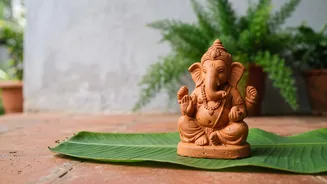
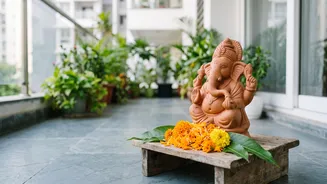
PoP is non-biodegradable and, along with toxic chemical paints, pollutes rivers and harms aquatic life. In response, a powerful movement towards sustainability has emerged. Eco-friendly idols, particularly those made from natural clay (shadu mati), are gaining immense popularity. The most innovative among these are 'plantable' Ganesha idols. These are crafted from clay mixed with natural fertilisers and embedded with seeds. This allows for a celebration that concludes not with pollution, but with the creation of new life.
From Deity to Plant: How It Works
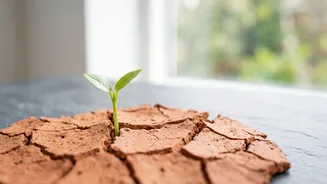
The concept behind a plantable idol is simple yet profound. The idol is crafted from natural, water-soluble materials like river clay or red soil. Inside this clay body, artisans embed seeds of vegetables, flowers, or herbs like tulsi and marigold. After the festive period of worship is over, the traditional visarjan (immersion) is performed at home. Instead of taking the idol to a river or lake, it is placed in a pot or bucket of water. Over a few days, the natural clay dissolves completely, leaving behind the soil, seeds, and water. This mixture is then used to fill a pot, and with regular watering, the seeds germinate. Within a week or two, a sapling emerges, transforming the symbol of devotion into a living plant that can be nurtured at home. This beautiful cycle represents renewal and life, allowing the deity's blessings to grow in a tangible form.
Why This Choice Matters
Opting for a plantable Ganesha is more than just an eco-conscious decision; it's a way to deepen the spiritual significance of the festival. It aligns with the core idea that all things return to the earth. The environmental benefits are clear: it completely prevents water pollution caused by PoP and chemical paints. By performing the visarjan at home, it also reduces crowding at public water bodies. Furthermore, this practice supports local artisans and small businesses that are committed to traditional, sustainable craft methods. Many eco-friendly idol kits come complete with a biodegradable pot and organic fertiliser, making the entire process seamless for families. It’s an act of devotion that honours both Lord Ganesha and the natural world he created, teaching a valuable lesson about responsibility and the cycle of life to the next generation.
Finding or Making Your Own
As the demand for sustainable options grows, plantable Ganesha idols have become more accessible. Many online stores and local NGOs now sell these idols, often as part of a complete grow kit. You can find them in various sizes and designs, with seeds ranging from marigolds to tomatoes. For those who enjoy a hands-on approach, making your own plantable idol can be a deeply rewarding family activity. The process involves creating a dough from natural clay and water, sculpting the idol, and carefully embedding a few seeds of your choice within the clay. Using natural pigments like turmeric for colour can add to the eco-friendly nature of the idol. Whether bought or handmade, choosing a plantable idol is a powerful way to ensure your celebration is filled with joy, devotion, and a positive legacy for the planet.