

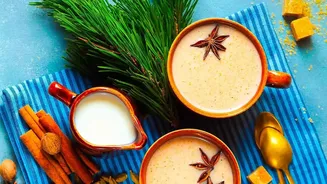
At a lively family gathering, amid the clatter of plates and fizz of bottled colas, a tray of chilled, pale green Aam Panna appears. Suddenly, the chatter shifts. Elders smile, reminded of their childhoods, while younger members curiously take a sip.
A Sip of Living History
In an age of globalised tastes and fast-moving trends, a quiet revival is taking place in Indian homes. Traditional drinks, once relegated to the memories of older generations, are returning to the centre of family celebrations. These beverages—be it a tangy Aam Panna in summer, a festive Thandai during Holi, or a spiced Kanji in winter—are more than just refreshments. They are liquid storytellers, carrying the heritage of a family and a region in every glass. For many, the taste and aroma of these drinks trigger powerful feelings of nostalgia, connecting them instantly to memories of grandparents, ancestral homes, and seasons past. This resurgence is not just about flavour; it's a conscious embrace of cultural identity and a desire for authenticity that a packaged soft drink can seldom provide.
The Ritual of Making and Sharing
The magic of these drinks lies not only in their consumption but in their preparation. Unlike tearing open a packet, the process of making a traditional beverage is often a communal activity. Imagine a grandmother painstakingly roasting raw mangoes for Aam Panna, sharing tips she learned from her own mother. Or the collective effort of grinding almonds, fennel seeds, and rose petals for a batch of Thandai, a process deeply embedded in the celebration of Holi. It is in these moments that generational divides begin to dissolve. Younger family members, often intrigued by these elaborate rituals, gather to watch and learn. This passing down of oral recipes, which were never written down, becomes a hands-on lesson in family history and culinary wisdom, fostering a unique bond that strengthens family ties.
A Health-Conscious Comeback
The return of these drinks is also fuelled by a growing health consciousness, especially among younger Indians. As people become more wary of the high sugar content and artificial ingredients in commercial soft drinks, traditional alternatives are being rediscovered as nutritious and practical choices. Drinks like Chaas (spiced buttermilk) are natural probiotics that aid digestion, while Sattu Sharbat is a protein-rich cooler. Aam Panna is known to prevent heat stroke by replenishing electrolytes. This alignment with modern wellness trends makes these 'old-fashioned' beverages newly relevant. They offer a way to stay hydrated and nourished that feels both authentic and sensible, a stark contrast to the empty calories of many fizzy drinks.
The New Generation's Digital Twist
Ironically, the digital world has become a powerful catalyst for this traditional revival. Younger generations who may not have learned these recipes directly from their elders can now find them on YouTube, Instagram reels, and food blogs. Food creators are not just preserving these recipes but are also giving them contemporary twists, like a 'Kesar Thandai' or a 'Masala Corn' inspired by traditional spices. This online sharing makes heritage accessible and cool. It encourages experimentation and allows a new generation to claim these traditions as their own, ensuring that the legacy of these drinks doesn't just survive but evolves. This modern reimagining helps bridge the gap between a grandparent's kitchen and a millennial's contemporary lifestyle.