




Embrace the Art of Breathing Room
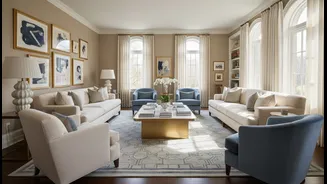
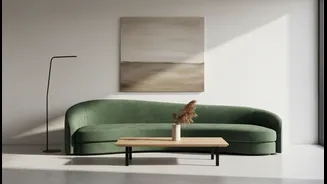
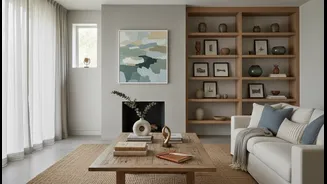
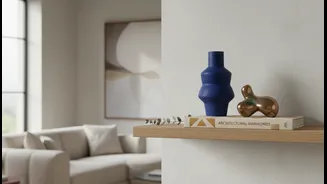
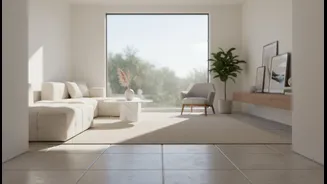
The most common mistake in creating a layered look is the urge to fill every nook and cranny. Interior designers refer to the space between and around objects as "negative space". Think of it as the quiet pause in a beautiful piece of music; it’s essential
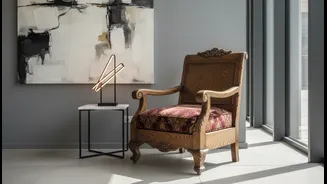
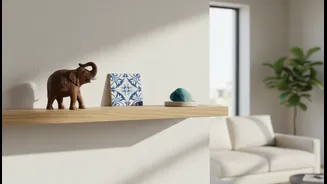
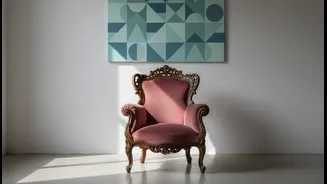
for creating rhythm and allowing the important notes to stand out. When every surface is covered, the eye has nowhere to rest, and the room can feel chaotic rather than collected. By intentionally leaving some walls bare or surfaces clear, you give your statement pieces—a striking piece of art, a sculptural lamp, an heirloom vase—the prominence they deserve. This negative space is not wasted; it is an active and powerful element in your design.
Curate, Don't Just Collect
A layered interior tells the story of its inhabitants. However, this doesn't mean displaying every souvenir, photograph, and knick-knack at once. The key is to be intentional with every single item you choose to display. Instead of scattering many small objects, group them purposefully. A powerful design trick is to style items in odd numbers, like groups of three or five, which is more visually appealing and dynamic. For example, a console table can be styled with a lamp, a stack of books, and a single decorative bowl. This intentional grouping creates a focal point and a sense of order, turning a potential pile of clutter into a curated vignette. Consider rotating your accessories with the seasons or as your tastes evolve; this keeps your space feeling fresh without becoming overstuffed.
Layer with Texture and Material
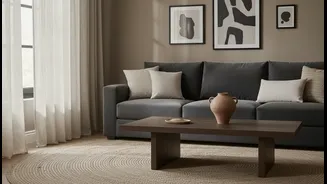
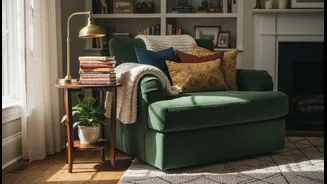
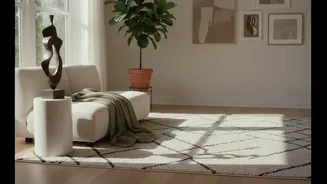
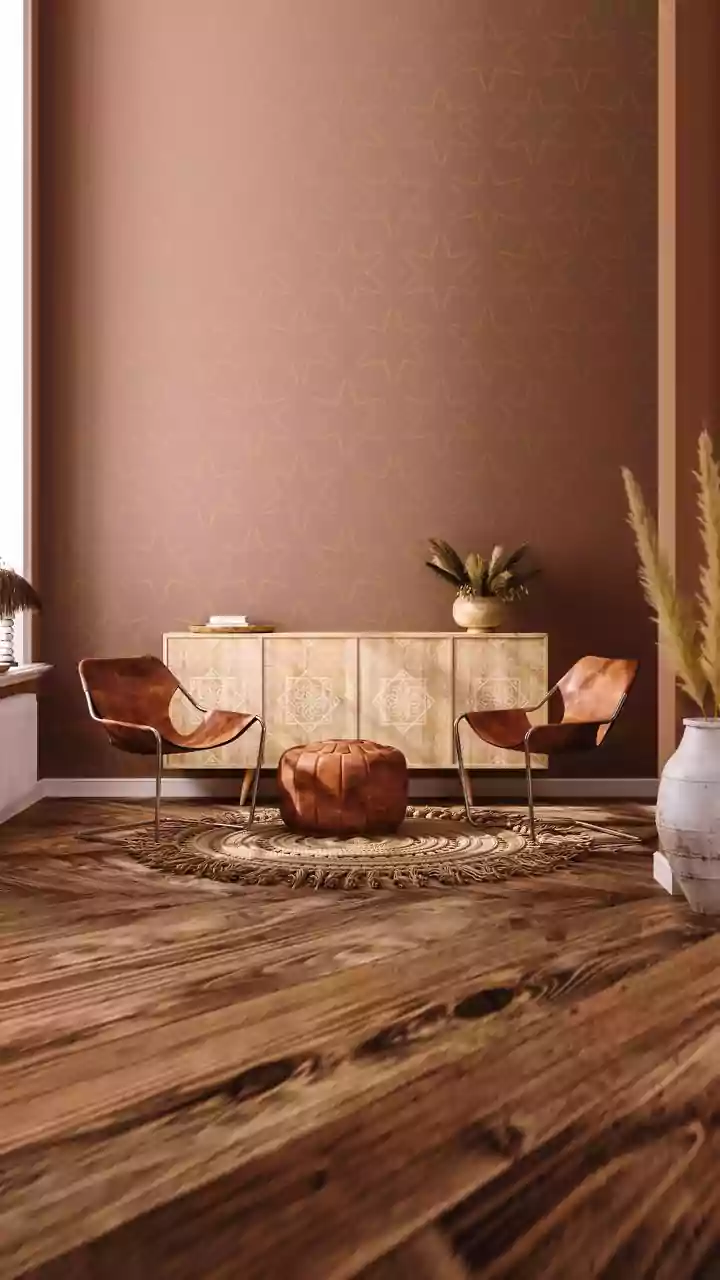
Depth in a room is not just created by objects, but by the interplay of different surfaces and finishes. Without a variety of textures, a room can feel flat and one-dimensional, even if perfectly furnished. The goal is to create a sensory experience by mixing different materials. Think of combining a smooth leather sofa with plush velvet cushions, a rough-hewn wooden coffee table, and a sleek metal side table. You can also introduce texture through wall coverings like grasscloth, rugs made of jute or wool, and soft linen curtains. Even within a neutral colour palette, mixing textures like bouclé, linen, and aged metals creates complexity and warmth without adding chaos.
Balance Patterns and Scale
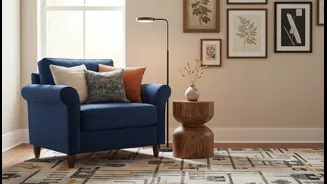
Introducing patterns is another excellent way to build layers, but balance is crucial. A good rule of thumb is to vary the scale of your patterns. If you have a large-scale pattern on a rug or wallpaper, pair it with smaller, more delicate patterns on throw pillows or accessories. To maintain harmony, try to keep the patterns within a similar colour family. For instance, a blue and white striped fabric can work beautifully with a blue and white floral pattern. Solid colours are also essential; they act as a visual break, preventing the room from feeling too busy and allowing the patterns to stand out. Use solids for larger pieces like a sofa to ground the space, then bring in patterns with smaller, more easily changed items.
Start with a Strong Foundation
A successful layered look begins with the largest surfaces in the room—the walls and floors. Starting with a neutral, clean base allows your curated treasures and textural elements to truly shine. Think of your walls as a quiet backdrop rather than the main event. Once you have this foundation, you can build upon it. Anchor the room with your largest furniture pieces first, like the sofa or bed, and then start layering in the smaller elements: rugs, lighting, textiles, and finally, the decorative objects that infuse the space with personality. This methodical approach ensures that each layer is thoughtful and contributes to a cohesive, balanced, and deeply personal interior.