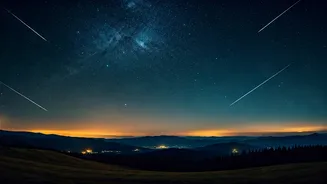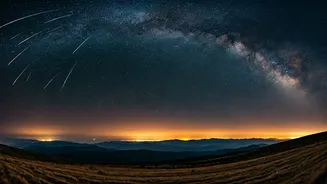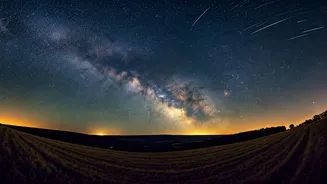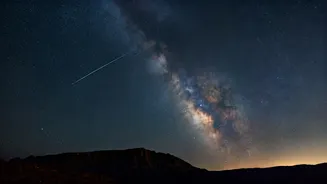



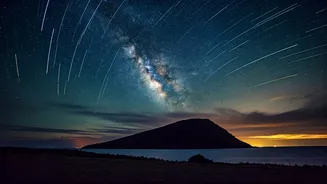
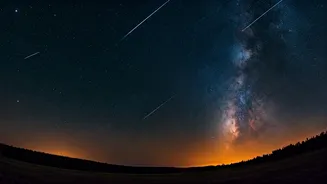


Meet the Celestial Performers
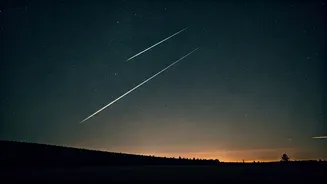
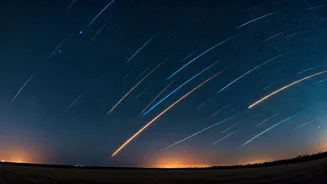
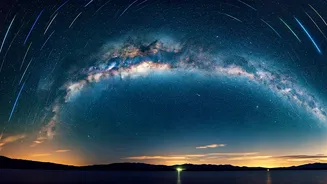
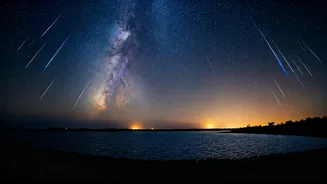
Throughout late July, Earth passes through the dusty trails of two different celestial bodies, creating two distinct meteor showers that overlap in our night sky. The main events are the Southern Delta Aquariids and the Alpha Capricornids. While they
peak at the same time, they offer distinctly different viewing experiences, creating a unique opportunity for sky-gazers. Think of it as one shower providing consistent, subtle action while the other saves its energy for dramatic, show-stopping moments.
The Southern Delta Aquariids: A Steady Stream
The Southern Delta Aquariids are the more prolific of the two showers. Active from mid-July to late August, they are expected to produce up to 25 meteors per hour under perfect conditions. These meteors originate from the debris left behind by Comet Marsden and Kracht. They are typically faint and lack the bright, lingering trains of other showers, so you'll need dark skies to appreciate them fully. They appear to radiate from the constellation Aquarius, but you can see them streak across any part of the sky.
The Alpha Capricornids: The Fireball Specialists
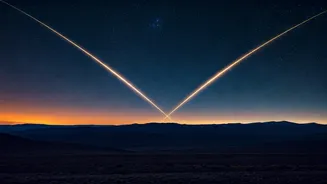
What the Alpha Capricornids lack in numbers, they make up for in spectacle. This shower, active from early July to mid-August, produces only about five meteors per hour. However, it is famous for its exceptionally bright and sometimes colourful 'fireballs'. These are slow-moving meteors that can be as bright as the planet Venus, leaving a lasting impression. The parent body is the asteroid 169P/NEAT. This shower is perfect for those who value quality over quantity in their stargazing.
The Peak Performance: When to Watch
Both showers are set to reach their combined peak on the night of July 30-31, 2026. The best time to watch is after midnight and before dawn, once your eyes have fully adjusted to the darkness. This is when the radiant points of the constellations—the points from which the meteors appear to originate—are highest in the sky, maximising your chances of seeing the show. While the peak offers the highest concentration, you can still spot meteors from both showers on the nights leading up to and following this date.
Your Ultimate Viewing Guide
The best tool for watching a meteor shower is your own eyes. Telescopes and binoculars have a narrow field of view, which means you’re likely to miss the streaks that can appear anywhere in the sky. For the best experience, find a location far from city lights. Lie on a blanket or a reclining chair and look straight up, taking in as much of the sky as possible. It takes about 20-30 minutes for your eyes to fully adapt to the dark, so be patient and put your phone away.
The Catch: A Bright Moon and Monsoon Clouds
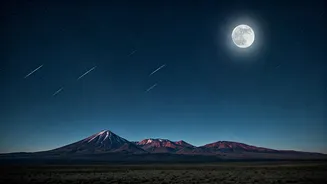
There are two major challenges for viewing in 2026. First, the peak of the showers coincides with a bright, 98% full waning gibbous moon. This intense moonlight will unfortunately wash out many of the fainter meteors, especially from the Delta Aquariids. However, the bright fireballs from the Alpha Capricornids should still be able to shine through. The second challenge, particularly for India, is the July monsoon. Cloudy skies are likely in many parts of the country. Skywatchers in drier regions like Rajasthan or high-altitude areas like Ladakh may have better luck with clear skies.