




The modern office job often means long hours sitting at a desk, which can take a toll on your health. Counteracting a sedentary workday doesn't require a gym membership; small, consistent movements can make a huge difference.
Embrace Micro-Movements and Stretches
You don't need to break a full
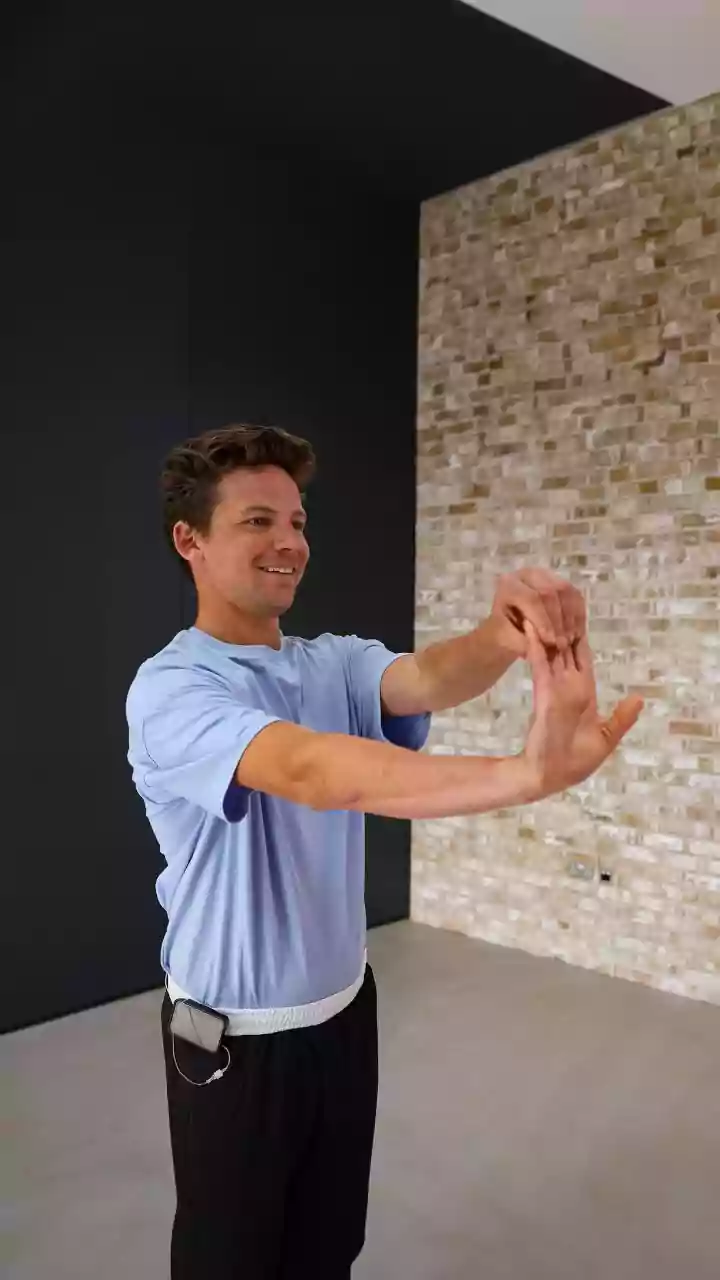
sweat to get your blood flowing. Fitness experts recommend incorporating simple stretches right at your desk. Try gentle neck rolls, tilting your ear toward your shoulder and holding for 15-30 seconds on each side to release tension. Shoulder shrugs and rolls can combat the hunching that comes from staring at a screen. For your lower body, seated hip stretches and hamstring stretches can alleviate tightness. You can also perform discreet exercises like calf raises, glute squeezes, or seated leg extensions while on a call or reading emails. The key is to move every hour to prevent stiffness and improve circulation.
Re-engineer Your Workday Routine
Small changes to your daily habits can add up to a significant increase in activity. Trainers consistently advise taking the stairs instead of the elevator whenever possible. If you work on a high floor, try getting off a few floors early and walking the rest of the way. Instead of emailing or calling a colleague nearby, walk over to their desk for a face-to-face conversation. When you need to refill your water bottle, use the pantry or cooler that is furthest from your desk to get in extra steps. These simple choices transform your environment into a low-key fitness tool without disrupting your workflow.
Turn Breaks into Active Breaks
Your scheduled breaks are a perfect opportunity for intentional movement. Setting a timer every 30 to 60 minutes can serve as a powerful reminder to get up. During these short breaks, which only need to be five minutes long, you can walk a lap around the office, do a few jumping jacks in a private space, or perform some simple bodyweight exercises like chair squats or wall sits. Using your lunch break for a brisk walk outside not only adds to your step count but can also improve your mood and productivity for the afternoon. Some professionals even advocate for 'walking meetings' for informal discussions, which keeps both the body and ideas flowing.
Rethink Your Workstation Setup
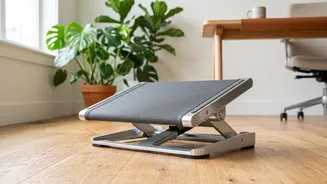
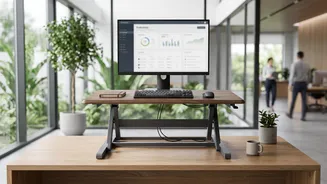
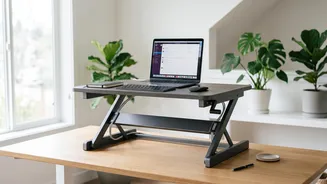
Your desk setup can either encourage or discourage movement. Adjustable sit-stand desks are highly recommended by wellness experts as they allow you to alternate between sitting and standing throughout the day. Studies show this simple change can help burn more calories and reduce back strain. If a standing desk isn't an option, consider swapping your regular chair for an exercise or stability ball for short periods. This engages your core muscles and can help improve posture. You can also keep small, simple equipment like resistance bands or light hand weights at your desk for quick sets of bicep curls or shoulder presses during moments of downtime.
Practice Active Sitting and Posture
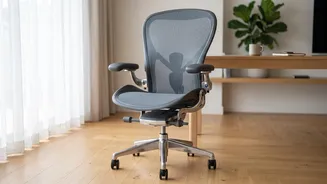
Even when you are sitting, you can be active. 'Active sitting' involves being mindful of your posture and making small, continuous adjustments. Avoid slouching by sitting up straight with your shoulders back and your feet flat on the floor. Engaging your core muscles as if you're about to stand up can provide a mini-isometric workout. Throughout the day, try simple seated exercises. Seated bicycle crunches, where you lift one knee and twist your opposite elbow to meet it, can be done discreetly. Leg lifts or flutter kicks under your desk also help to keep your lower body engaged without distracting others. Constant fidgeting, such as tapping your feet or shifting your position, also burns more calories than sitting completely still.