




Trusting a 'Water-Resistant' Backpack Alone
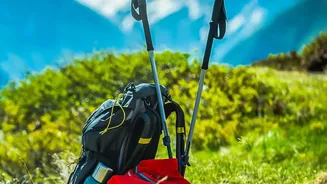
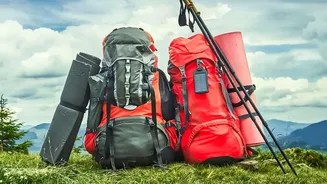
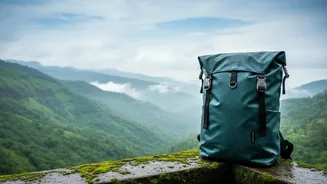
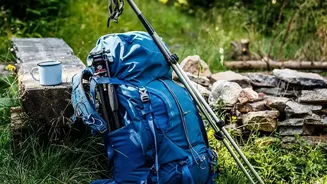
The single biggest mistake is assuming your backpack will keep your belongings dry. Even high-quality packs can fail in a sustained downpour. The seams are weak points, and 'water-resistant' is not the same as 'waterproof'. Arriving at your campsite to
find your sleeping bag and spare clothes soaked is a trip-ruining moment. The fix is a two-pronged defence: use a robust, well-fitting rain cover for the outside of your pack, and line the inside with a heavy-duty plastic bag or a proper pack liner. This creates a dual barrier, ensuring your essentials stay completely dry.
Packing Cotton and Denim Clothing
Wearing your favourite cotton t-shirt or a pair of jeans is one of the worst choices for a monsoon trek. Cotton absorbs a huge amount of water and takes an incredibly long time to dry in humid conditions. Wet cotton clings to your skin, making you feel cold and uncomfortable, and can even increase the risk of hypothermia at higher altitudes. Denim is even worse; it becomes heavy, restrictive, and can cause painful chafing when wet. Always opt for synthetic, quick-drying fabrics like polyester or nylon. These materials wick moisture away from your skin and dry quickly, keeping you comfortable even if you get caught in a shower.
Underestimating the Importance of Footwear
Wearing the wrong shoes on a slippery, muddy monsoon trail is a recipe for disaster, leading to slips, falls, and potential injuries. Many people make the mistake of wearing regular sneakers or sandals that offer no grip or water protection. Your footwear should have excellent grip to handle slick rocks and muddy paths. Waterproof trekking shoes with good ankle support are ideal. It's also crucial to pack extra pairs of quick-drying socks, preferably made from a wool blend, to keep your feet dry and prevent blisters. Some trekkers in leech-prone areas also carry leech socks for added protection.
Forgetting to Protect Your Electronics
In the excitement of packing, it's easy to overlook how vulnerable your gadgets are. Humidity and rain can destroy a phone, camera, or power bank in an instant. Tossing them unprotected into a backpack pocket is asking for trouble. The solution is simple and cheap: use Ziplock bags or dedicated waterproof pouches for all your electronics and important documents. For extra security, you can double-bag them. Keep a fully charged power bank sealed in a waterproof bag for emergencies, as power cuts can be common.
Ignoring a 'Wet and Dry' System
Once a piece of clothing gets wet, it can make everything else it touches damp. A common error is not having a system to isolate wet items. Stuffing a damp rain jacket back into your main compartment will create a humid, mildewy mess. Always carry a few extra plastic bags or a designated 'dry bag' to store wet clothes and gear separately from your dry items. This simple habit is crucial for morale. After a long day of trekking in the rain, being able to change into a completely dry set of clothes for the night can make all the difference to your comfort and warmth.
Neglecting a Monsoon-Specific First-Aid Kit
While a standard first-aid kit is essential, the monsoon brings specific health risks. Humid conditions can lead to fungal infections, stagnant water increases waterborne diseases, and insects are more prevalent. Your kit should be updated to reflect this. Include an antifungal powder or cream, insect repellent, and water purification tablets or a filter. Also pack essentials like antiseptic wipes, bandages for minor cuts, pain relievers, and any personal medications in a waterproof container. Being prepared for minor health issues on the trail prevents them from becoming major problems.