






Defining the Artisanal Home
So, what exactly is an artisanal home? It's a space defined by thoughtful design, bespoke features, and impeccable craftsmanship. Unlike mass-produced luxury, which often relies on recognisable brands and repeatable formulas, an artisanal home is built
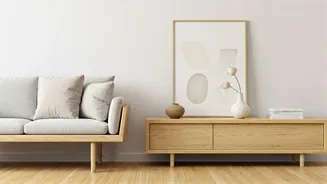
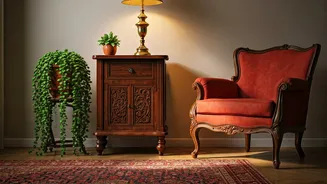
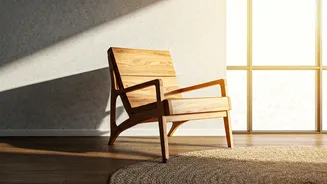
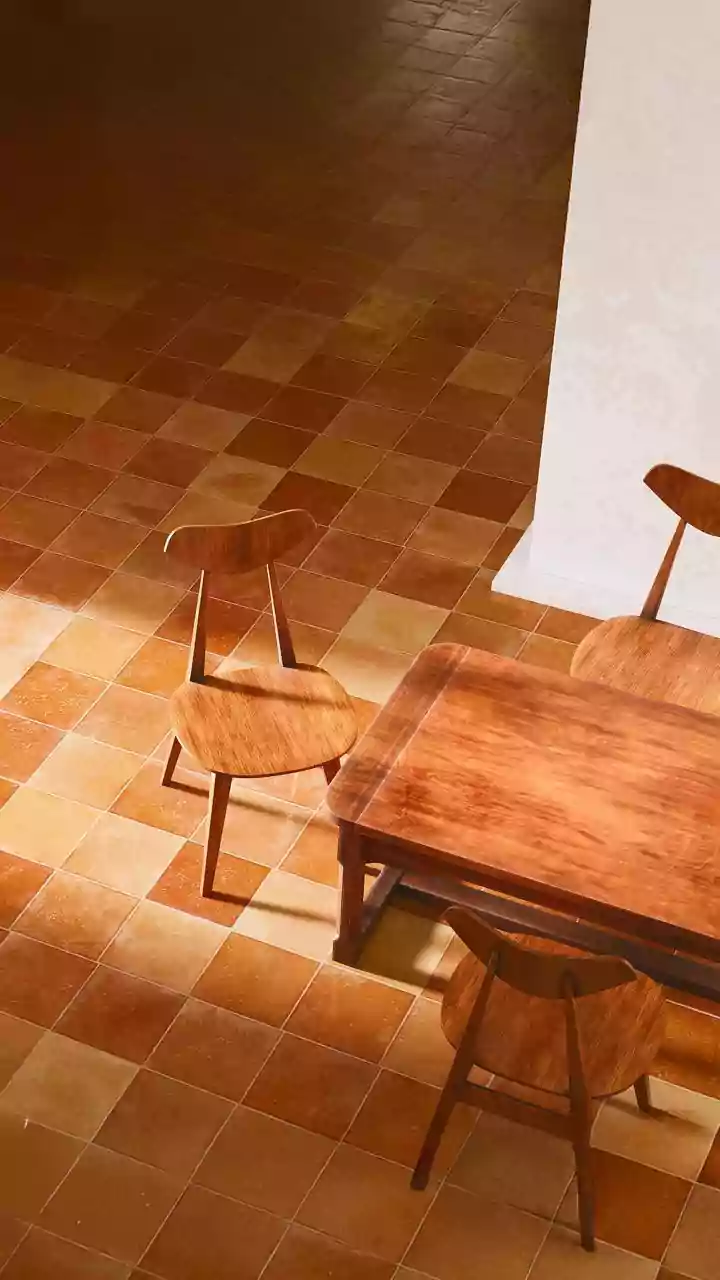
around individuality. Think of it as the opposite of a cookie-cutter mansion. Every element, from the layout to the materials, is chosen to tell the owner's unique story. These homes are not about shouting their value; they whisper it through hand-finished surfaces, custom furniture, and one-of-a-kind details that reveal themselves slowly. It’s a philosophy that prioritises authenticity and personal expression over fleeting trends.
The Psychology of 'Quiet Luxury'
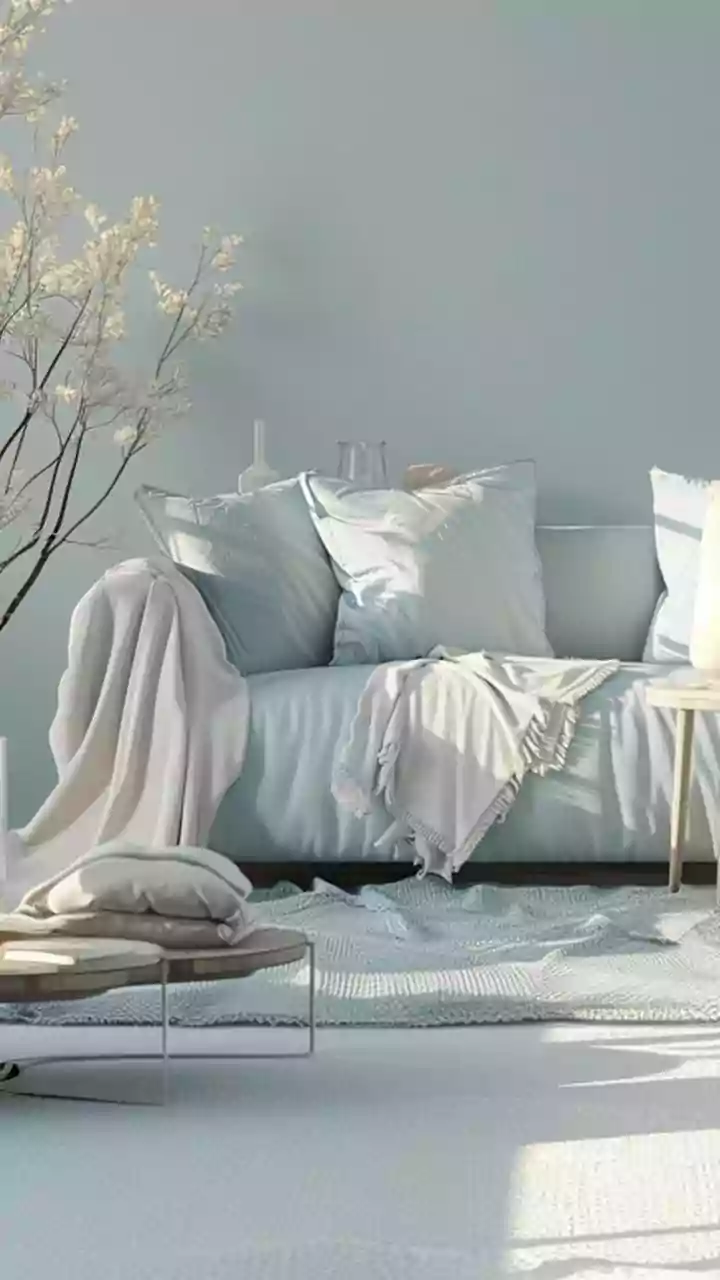
The rise of the artisanal home is directly linked to the broader cultural trend of 'quiet luxury'. This movement is a reaction against the visual overload and conspicuous consumption that has defined luxury for decades. Instead of using a home to broadcast status, discerning owners are creating sanctuaries that offer a sense of calm and refuge from a chaotic world. The new luxury is less about what you own and more about how you live. It's found in the integrity of natural materials like stone and wood, the comfort of a well-designed space, and the knowledge that your home is a true reflection of your personal journey, not just your purchasing power.
Craftsmanship at its Core
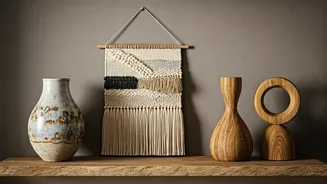
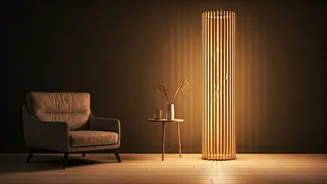
At the heart of every artisanal home is the artisan. This trend celebrates the skill of craftspeople—the woodworkers, metal artists, ceramicists, and textile weavers whose hands create the unique elements of the space. An artisanal home might feature custom-built cabinetry, hand-carved stone details, or bespoke lighting fixtures designed in collaboration with a local artist. These details carry a sense of human touch and imperfection that mass-produced items lack. This focus on craftsmanship also fosters a more sustainable approach, often prioritising locally sourced materials and supporting regional artisans, reducing waste and strengthening local economies.
The Trend in India
This global shift towards meaningful, craft-led luxury resonates deeply in India, a country with an unparalleled heritage of craftsmanship. Affluent Indian homeowners are increasingly turning away from imported, generic aesthetics in favour of designs that reflect cultural relevance and personal stories. In cities like Mumbai, Delhi, and Bengaluru, there is a growing demand for bespoke homes that feature locally sourced materials like Indian stone, alongside textiles and furniture made by regional carpenters and weaving clusters. This isn’t about recreating traditional aesthetics wholesale, but about integrating India’s rich material culture and artisanal skills into contemporary, world-class design, creating spaces that feel both modern and deeply rooted.