




Why August Pruning Matters
August sits in a unique spot on the gardening calendar, often feeling like a pause between the peak of summer and the onset of autumn. For Indian gardeners, it's a month defined by the monsoon's influence. Pruning in August isn't about hard cutbacks;
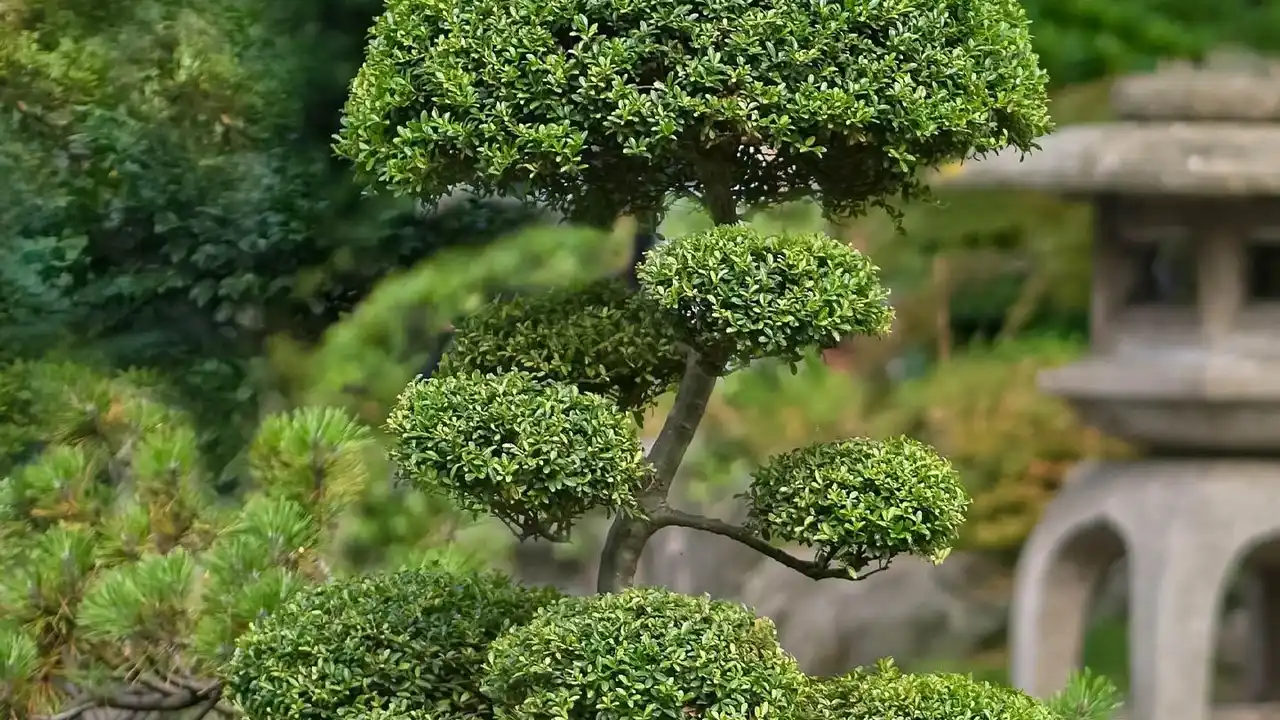
it's a strategic task of tidying and directing a plant's energy. After weeks of rain, many plants can become overgrown and leggy. A careful trim removes spent flowers, prevents the plant from wasting energy on seed production, and encourages it to push out new growth and potentially a second round of flowers. More importantly, thinning out dense foliage improves air circulation, which is crucial for preventing the fungal diseases that thrive in the high humidity of the rainy season.
The Climate Rule: Prune on a Dry Day
The single most important factor for August pruning in most of India is the weather. While the monsoon spurs growth, it also makes plants vulnerable. A fresh cut on a plant is an open wound, and in constantly damp or rainy conditions, it becomes an easy entry point for fungal and bacterial infections. The golden rule is to always prune during a dry spell, or at least on a dry morning. This gives the cuts time to begin callousing over before the next downpour. Always use sharp, clean shears or pruners. Disinfecting your tools before and after use is a simple step that can prevent the spread of disease from one plant to another.
What to Prune: The Green-Light List
Certain plants respond exceptionally well to a light trim during this period. Focus on these to promote health and blooms: Roses: Lightly prune your rose bushes. Deadhead any spent blooms by snipping the stem just above a healthy set of five leaves. This encourages the plant to produce new buds for autumn flowering. Also, remove any yellowing leaves or branches that cross over each other to boost air circulation. Hibiscus, Ixora, and Jasmine (Mogra): These tropical favourites often finish a major flowering cycle by this time. A light pruning of overgrown branches and removal of old flower clusters will encourage a bushier shape and a fresh flush of blooms. Bougainvillea: While heavy pruning is best done in late winter, a light trim in August can stimulate more flowers. Remove any dead or broken branches and cut back non-flowering shoots by about half. Holy Basil (Tulsi): To keep your Tulsi plant bushy and full of leaves, continue to pinch off any flowering spikes that appear. This prevents the plant from becoming woody and channels its energy into producing more aromatic leaves. * Curry Leaf Plant: The rainy season is an excellent time to prune curry leaf plants. Cutting back some of the branches encourages the plant to grow bushier, resulting in a more generous harvest.
What to Avoid: The Hands-Off List
Just as important as knowing what to prune is knowing what to leave alone. Pruning the wrong plant at this time can mean sacrificing next year's flowers. The main group to avoid are spring-flowering shrubs that bloom on old wood. This means they have already formed their flower buds for the next season on the growth they produced this summer. If you prune them now, you'll be cutting off those future blooms. Plants in this category include: Lilac (Syringa) Forsythia Weigela Mock Orange (Philadelphus) Beautybush (Kolkwitzia) Early-flowering Viburnum varieties The correct time to prune these shrubs is right after they finish flowering in the spring, which gives them the rest of the growing season to produce the wood that will carry next year's flowers.
Your Basic Pruning Toolkit
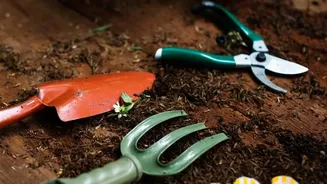
You don't need a lot of equipment, but you do need the right tools. A pair of sharp bypass pruners is essential for making clean cuts on smaller stems and branches. Anvil cutters can be useful for tackling thicker, dead wood. When you prune, focus on the three D's first: remove any wood that is dead, damaged, or diseased. Then, look for branches that are crossing or rubbing against each other and thin them out to open up the plant's structure. When deadheading flowers, cut back to the nearest healthy leaf or bud. For shaping, step back frequently to look at the overall form of the plant to ensure you're not removing too much from one area. After a good prune, you can support the plant's recovery and new growth by applying a balanced, all-purpose fertilizer.