



First, What Are Proteins Anyway?
Think of proteins as the master builders for your body. They are essential for everything from repairing tissues and building muscle to supporting immune function. But proteins themselves are made of smaller units called amino acids. There are 20 different
amino acids, and nine of them are considered 'essential'. This means our bodies can't produce them, so we must get them from the food we eat. A food that contains all nine of these essential amino acids in the right proportions is what nutritionists refer to as a 'complete protein'. While animal products like meat, eggs, and dairy are naturally complete proteins, most individual plant foods are not.
The Profile of Cereal Grains
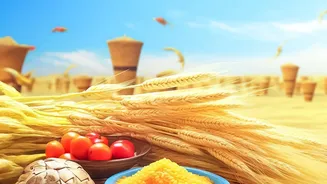
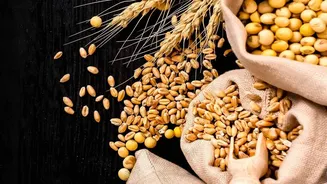
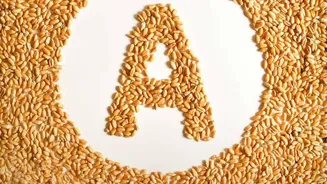
Cereal grains form the foundation of diets across the globe, especially in India with staples like rice and wheat. They are excellent sources of energy and provide a considerable amount of protein. However, when it comes to their amino acid profile, they have a specific weakness. Grains are typically low in one essential amino acid called lysine. While they contain other essential amino acids, this low level of lysine is what makes them an 'incomplete' protein source when eaten alone. This deficiency is referred to as their 'limiting amino acid'.
The Power of Legumes
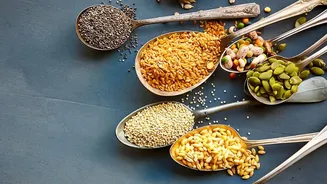
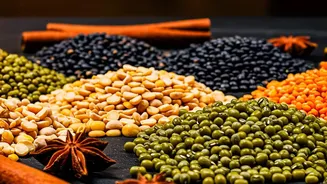
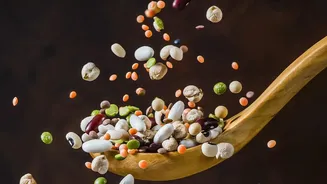
Now, let's look at legumes—a food group that includes dals (lentils), beans like rajma (kidney beans) and chana (chickpeas), and peas. This group is a cornerstone of Indian vegetarian cuisine for a good reason. Legumes are packed with protein. Interestingly, their amino acid profile is the mirror opposite of grains. They are rich in the lysine that grains lack, but they are low in another essential amino acid: methionine. So, just like grains, legumes on their own are also considered an incomplete source of protein because of their limiting amino acid, methionine.
The Magic of Mutual Supplementation
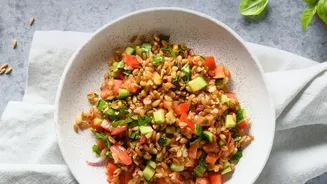
This is where the nutritional synergy happens. When you eat a cereal grain and a legume together, they complete each other. The abundance of lysine in the legume makes up for the deficit in the grain. In turn, the methionine present in the grain compensates for the low amount in the legume. This concept is called protein complementarity or mutual supplementation. By pairing these two food groups, you create a meal with a complete amino acid profile, providing your body with all the essential building blocks it needs, similar to what you would get from an animal protein source. This clever combination turns two incomplete proteins into one high-quality, complete protein meal.
Classic Pairings That Have Worked for Centuries
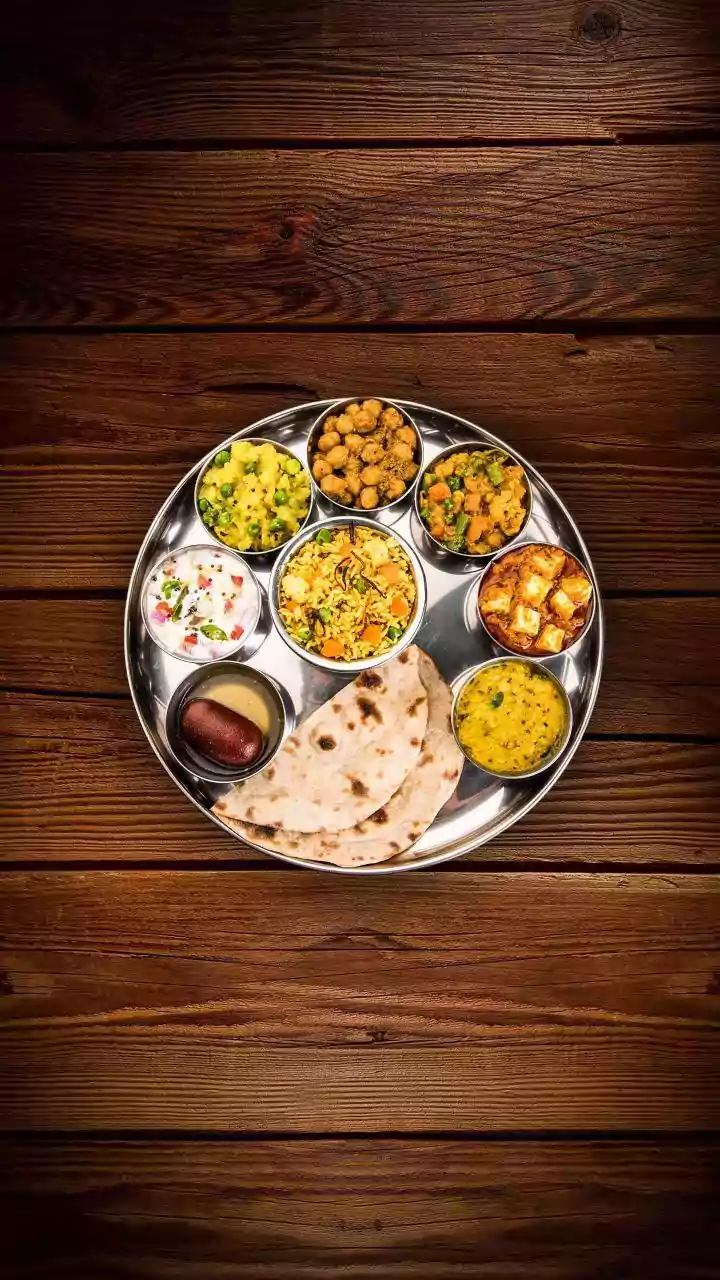
The beauty of this concept is that it has been intuitively practiced in traditional cuisines for generations. Many staple Indian meals are perfect examples of protein pairing. The classic dal and rice is the most widespread example; the lentils provide the lysine missing in rice, and the rice provides the methionine that lentils lack. Similarly, roti (made from wheat) paired with rajma or chana creates a complete protein. Even dishes like dosa and sambhar, which are made from a fermented batter of rice and lentils, serve the same purpose while also offering enhanced digestibility. These food combinations aren't just delicious and comforting; they are a scientifically sound way to achieve optimal nutrition from plant-based foods.
Do They Need to Be Eaten Together?
For a long time, it was believed that you had to eat these complementary proteins in the very same meal to get the benefit. However, modern nutrition science has offered a more flexible approach. Research has shown that the body maintains a pool of free amino acids throughout the day. This means that as long as you eat a varied diet that includes both grains and legumes over the course of a day—for instance, rice for lunch and a bean curry for dinner—your body can still combine the amino acids to create the complete proteins it needs. So, while pairing them in one meal is a simple and effective strategy, it's the overall balance in your daily diet that truly matters.