





The Grab-and-Go Emergency Bag
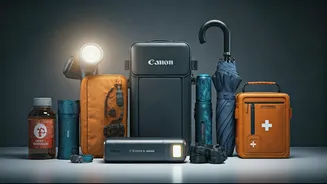
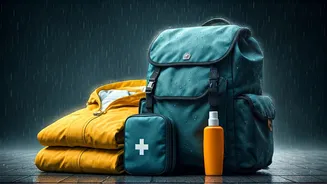
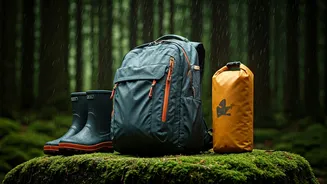
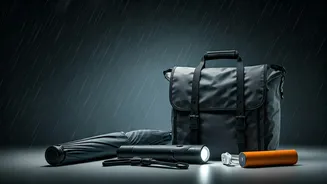
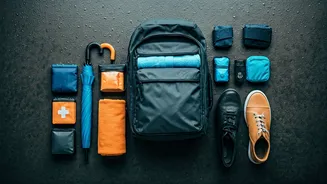
In case of sudden waterlogging or the need to evacuate, a pre-packed emergency bag is crucial. This isn't just about major disasters; it's useful if you're stranded away from home. Your kit should be in a waterproof duffel bag or backpack. [10, 13] Include
a first-aid kit with essentials like bandages, antiseptic wipes, pain relievers, and any personal prescription medications. [21, 22] Pack non-perishable food items like energy bars and nuts, along with at least a three-day supply of drinking water (one gallon per person, per day is a common recommendation). [4, 14] A flashlight with extra batteries, a whistle to signal for help, and a power bank for your mobile phone are non-negotiable for communication and safety. [13, 21] Also, keep copies of important documents like your Aadhaar card, insurance policies, and bank records in a sealed, waterproof bag. [4, 7]
Home Fortification and Supplies
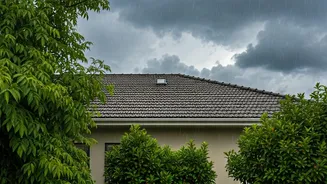
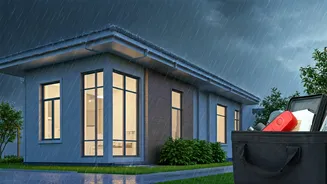
Your home is your primary shelter, so ensuring it's ready for the onslaught of rain is vital. Start by checking for and repairing any leaks in your roof or walls. [23] Quick-fix supplies like plastic tarps and duct tape can be lifesavers for sudden leaks or broken windows. [14] To prevent water from entering low-lying areas, having sandbags on hand is a smart move. [14] Power cuts are common, so stock up on candles, waterproof matches, and LED emergency lamps. [4, 7] High humidity can lead to mould and mildew, which pose health risks. [16] Use moisture absorbers or silica gel packs in cupboards and enclosed spaces to keep dampness at bay. [3, 8] Ensure your home's drainage systems are clear of debris to prevent water accumulation around your property.
Health and Hygiene Essentials
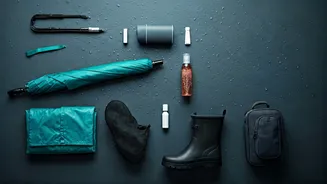
The monsoon is notorious for an increase in water-borne and vector-borne diseases. [11] Good hygiene is your first line of defence. Stock up on antibacterial soaps and hand sanitizers to use frequently, especially when you come in from outside. [11, 15] Mosquitoes that spread dengue, malaria, and chikungunya breed in stagnant water. [9, 12] Use mosquito repellents, nets, and ensure there is no standing water in or around your home. [9, 11] Your monsoon health kit should also include digestive aids, ORS packets to combat dehydration from stomach infections, and anti-fungal powder to prevent skin infections caused by dampness. [9, 11] It's also wise to have a digital thermometer and basic medications for fever and colds on hand. [9]
Personal Gear for Staying Dry
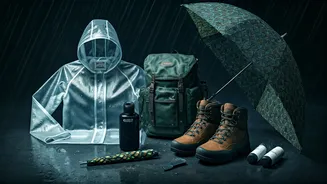
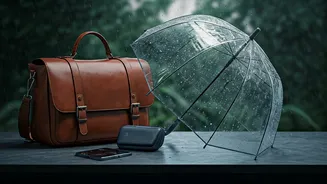
Staying dry is not just about comfort; it's about preventing fungal infections and other illnesses. [11, 20] Invest in good quality rain gear, including a sturdy umbrella that can withstand strong winds, a waterproof jacket or poncho, and waterproof footwear. [13, 18, 20] A poncho can be particularly useful as it can often cover you and a backpack. [19] Opt for clothing made from quick-drying fabrics, and it's a good idea to always carry an extra set of dry clothes and a microfiber towel, which is highly absorbent and portable. [13, 18] Protecting your belongings is also key, so use a waterproof backpack or at least waterproof covers and zip-lock bags for electronics and valuables. [13, 14]
Vehicle Preparedness Checklist
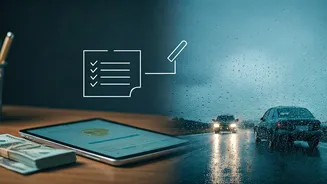
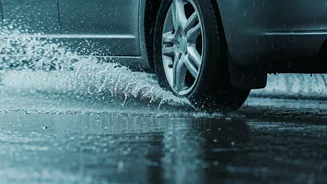
Driving during heavy rain is hazardous due to reduced visibility and slippery roads. Before the season starts, get your vehicle serviced. Pay special attention to your tyres, ensuring they have adequate tread depth to prevent aquaplaning. [2, 5] Check that your brakes, headlights, taillights, and indicators are all in perfect working order. [2, 6] Wiper blades are often neglected but are critical for visibility; replace them if they are worn out. [5, 8] Applying a rain-repellent solution to your windshield can also significantly improve visibility. [5, 6] It's also recommended to get a protective wax coating for your car's exterior to prevent rust from the constant moisture. [2, 3] Finally, keep a basic emergency kit in your car, including a tow rope, flashlight, first-aid kit, and jumper cables. [2]