




An Unplanned but Welcome Experiment
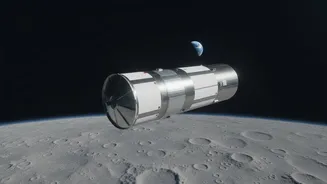
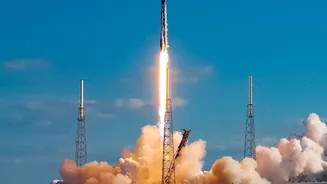
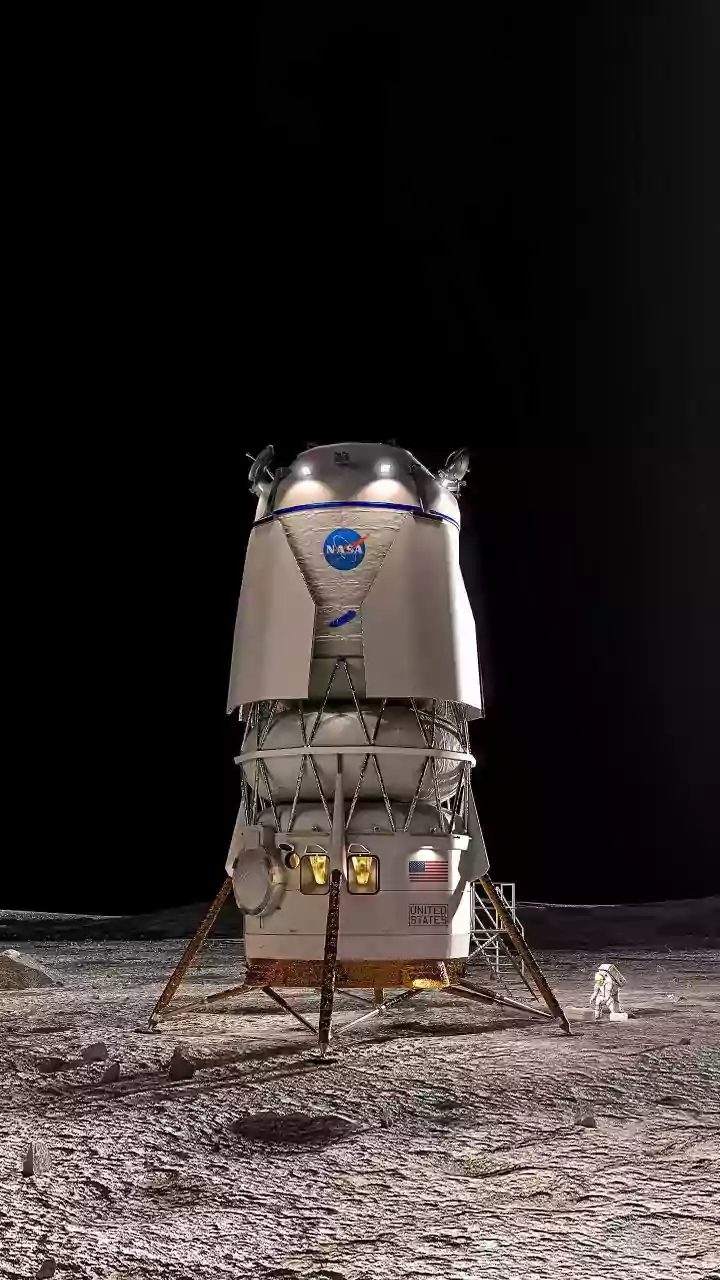
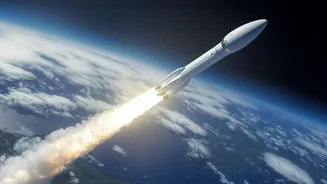
A school-bus-sized piece of a Falcon 9 rocket is on an unalterable collision course with the Moon. The object is the upper stage from a January 2025 mission that successfully launched Firefly Aerospace's Blue Ghost lander. Unlike rocket stages used for
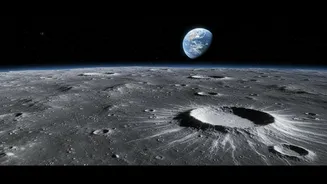
missions in low-Earth orbit that burn up upon re-entry, this one was propelled into a chaotic high-Earth orbit. Over time, gravitational forces and solar activity have nudged its trajectory, placing it on a path to slam into the lunar surface. Independent astronomers first identified the collision course, which was later confirmed by NASA. The impact, expected near the Moon's Einstein and Bell craters, is not the result of a deliberate plan but has become a highly anticipated scientific event.
A Window Into the Moon’s Geology
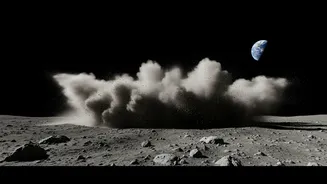
When the four-tonne rocket stage hits the surface at over 8,500 kilometres per hour, it will provide scientists with a rare gift. The impact is expected to excavate a new crater roughly 60 feet wide, violently kicking up a plume of lunar soil and rock — known as ejecta — from beneath the surface. This process effectively gives researchers a free look at the Moon's subsurface composition without the immense cost and complexity of landing a rover and a drill. By analysing this excavated material, scientists can learn more about the Moon's geological makeup and history. The Moon’s surface is a record of our solar system's 4.5-billion-year history, and each new crater provides another piece of that puzzle.
The Science of a Dust Plume
The main event for researchers is not just the crater but the plume of debris it creates, which some models suggest could reach over 60 miles high. Scientists are eager to study how this ejecta behaves in the Moon's vacuum and low gravity. Observing the plume helps refine models that predict how dust and debris travel during impacts, which is crucial for future missions. This data is vital for designing safer landers and protecting future lunar habitats and sensitive scientific instruments from being damaged by impact-generated debris. Furthermore, instruments can analyse the plume for traces of valuable resources like water ice, which was famously confirmed during a similar deliberate impact mission in 2009.
A History of Smashing Things for Science
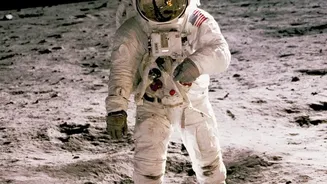
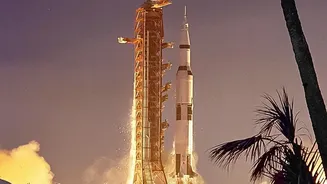
Using impacts to study the Moon is a well-established technique. During the Apollo program, NASA intentionally crashed the massive Saturn V upper stages into the surface to test seismometers left behind by astronauts, helping them understand the Moon's internal structure. In 2009, NASA's LCROSS mission deliberately slammed a Centaur rocket stage into a permanently shadowed crater near the south pole. The resulting plume was analysed and confirmed the presence of water ice, a landmark discovery for future exploration. More recently, an uncontrolled impact from a Chinese rocket stage in 2022 created a surprising double crater, offering unexpected insights into rocket body design and mass distribution.
How Scientists Will Watch the Show
Although the impact itself will not be visible to the naked eye from Earth, a network of observatories will be ready. NASA's Lunar Reconnaissance Orbiter (LRO) and South Korea's Pathfinder orbiter will attempt to image the impact site before and after the collision to locate the new crater and study its features. Getting this imagery may take days or weeks depending on orbital mechanics and lighting. Meanwhile, ground-based telescopes will be aimed at the Moon, hoping to catch the fleeting flash of the impact and analyse the light from the ejecta plume for clues about its composition. This event also serves as a valuable exercise for tracking objects in cis-lunar space, an increasingly crowded and important region.