




The Great Indian Rental Dilemma
Renting in a bustling metro city offers opportunities, but it often means accepting a home with four plain walls and a long list of rules. Landlords typically forbid drilling holes, painting walls, or making any permanent alterations, leaving tenants
with limited options for personalisation. This is compounded by the very nature of a young professional's career. With job-hopping and city-switching becoming the norm, investing in heavy, traditional furniture feels like a burden. The fear of furniture not fitting into the next apartment or the hassle of selling it at a loss often leads renters to settle for basic, uninspired interiors that never truly feel like home.
Enter Modular, the Smart Solution
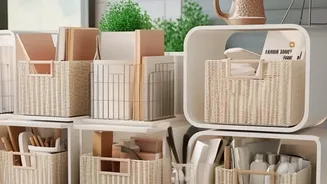
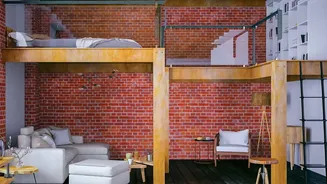
Modular furniture is the game-changing answer to this dilemma. Unlike traditional one-piece items, modular furniture consists of separate, interchangeable units or ‘modules’ that can be combined in various configurations. Think of it like building blocks for adults: a sofa can be rearranged from an L-shape into a straight three-seater, or a shelving system can be expanded, reduced, or reshaped to fit a new wall. These pieces are designed for adaptability, often featuring tool-free assembly and lightweight construction that makes them incredibly easy to take apart, transport, and set up again in a new home.
Designed for a Generation on the Move
The lifestyle of today’s urban Indian professional is defined by mobility and change. A career opportunity might mean a move from Bengaluru to Gurugram, or a promotion might lead to a larger apartment in the same city. Modular furniture is perfectly suited for this transient life. Because it can be disassembled, it navigates narrow staircases and tight doorways with ease, a common challenge in city apartments. More importantly, its ability to be reconfigured ensures that the investment travels with you. The same set of modules that formed a compact bookshelf in a studio flat can be rearranged to create an expansive entertainment unit in a two-bedroom home, providing a sense of continuity and familiarity in each new space.
Personalisation Without the Penalty
Perhaps the biggest draw for young renters is the freedom to create a space that reflects their personality without risking their security deposit. Modular furniture empowers tenants to become their own interior designers. With endless configurations and often a wide choice of finishes and fabrics, one can create a bespoke look that feels unique. You can design a wardrobe that fits perfectly into an awkward alcove, a desk setup that adapts to a hybrid work schedule, or a vibrant sofa that becomes the centrepiece of the living room. It allows for a deep level of customisation that turns a generic rental into a stylish, personal sanctuary.
A Savvy Financial and Sustainable Choice
While the initial cost might sometimes be comparable to traditional furniture, the long-term value of modular pieces is significantly higher for a renter. Instead of buying cheap, disposable items for each move, you invest once in a quality system that adapts and lasts. This approach is not only easier on the wallet over time but also aligns with a growing desire for sustainability. By promoting reuse over disposal, the modular model contributes to a circular economy, reducing furniture waste. It’s a conscious choice for a generation that values both financial prudence and environmental responsibility.