



Why the Monsoon Is a Gardener's Friend
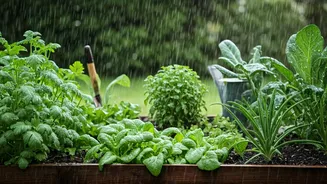
While we often associate gardening with bright sunshine, the monsoon offers a unique window of opportunity for budding home gardeners. The increased humidity, cooler temperatures, and, of course, the free and abundant natural watering create an ideal
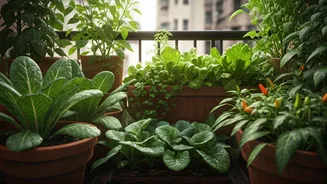
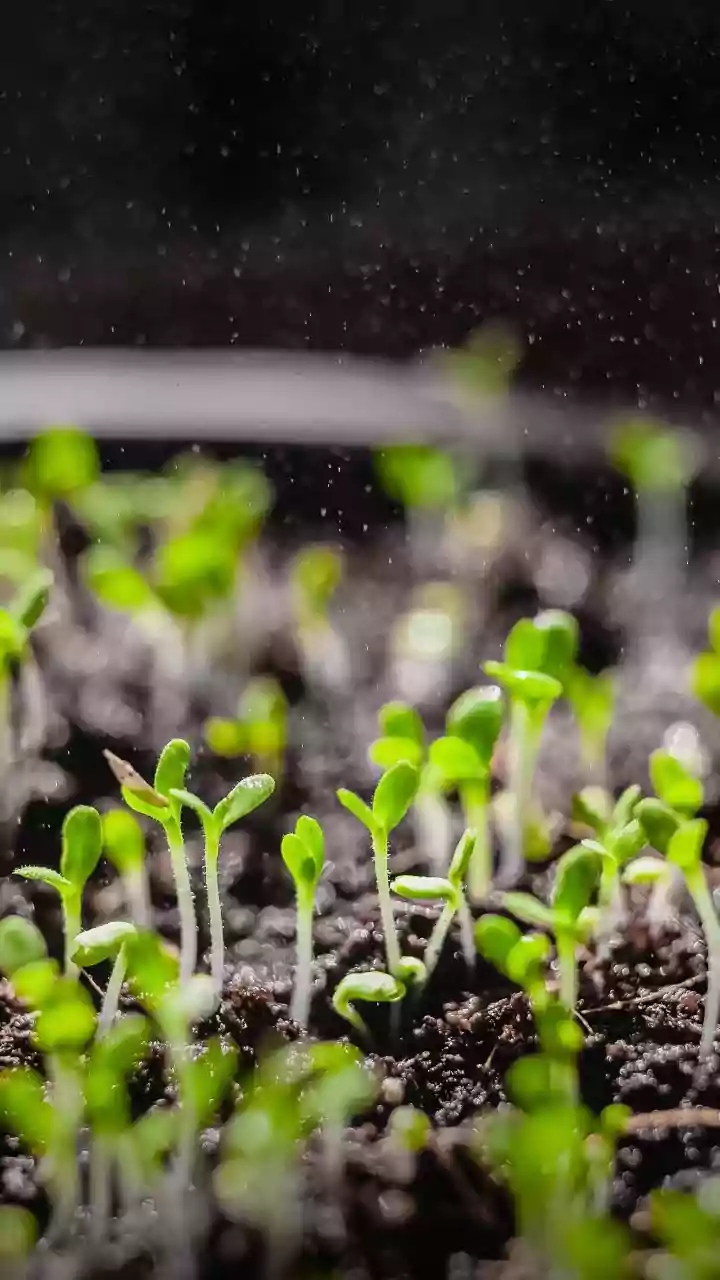
environment for many plants to thrive. This season is particularly kind to leafy greens and quick-growing vegetables that love moisture. Across balconies in bustling metros and terraces in quieter towns, people are discovering the satisfaction of turning small urban spaces into productive green corners. The trend is driven by a desire for fresh, pesticide-free produce and a renewed interest in connecting with nature after years spent largely indoors. The monsoon provides the perfect catalyst to start, promising a lush, green reward for relatively little effort.
Your Monsoon Starter Pack: What to Grow
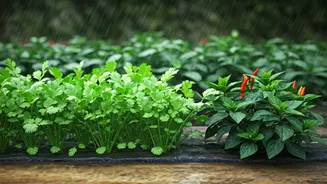
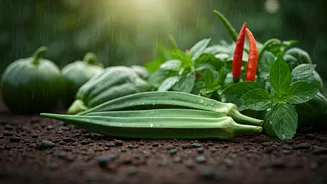
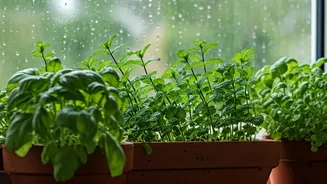
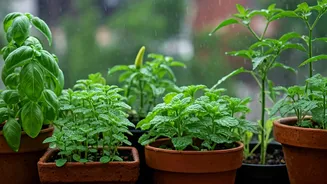
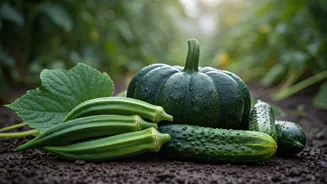
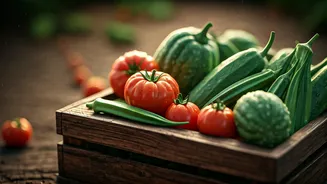
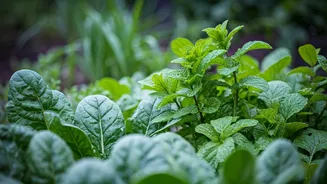
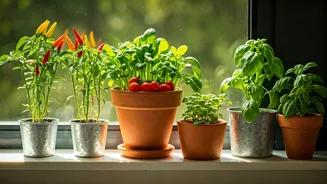
The key to a successful monsoon garden is choosing the right plants. Not everything can withstand the heavy downpours, but many Indian vegetables flourish. For beginners, it’s best to start with hardy, fast-growing options. Leafy greens are the undisputed stars. Consider planting palak (spinach), dhaniya (coriander), and pudina (mint). They grow quickly and you can enjoy multiple harvests. For vegetables, bhindi (okra), green chillies, and various types of gourds like lauki (bottle gourd) and tori (ridge gourd) are excellent choices. If you have a bit more space and support for climbers, these gourds will thrive. Root vegetables like radish and beetroot also do well, as the moist soil helps them develop. Avoid plants that are prone to rot in high humidity, such as tomatoes and bell peppers, unless you can provide them with shelter and excellent drainage.
Setting Up for Success: Pots and Soil
The single most important factor for monsoon container gardening is drainage. Constant rain can quickly lead to waterlogged soil, which suffocates roots and causes them to rot. Ensure every pot or grow bag has multiple drainage holes at the bottom. It’s also wise to place a layer of broken pottery shards or small stones at the base before adding soil to improve water flow. For the soil itself, a light, well-draining mix is crucial. A standard potting mix recipe for the monsoon is one part garden soil, one part cocopeat (which retains moisture without becoming waterlogged), and one part compost or vermicompost (for nutrition). This combination provides stability, aeration, and the nutrients your plants need to grow strong, even with the daily deluge.
Battling Monsoon Pests and Problems
With great moisture comes the great challenge of pests and fungal diseases. The humid weather is a breeding ground for slugs, snails, and various fungal infections like powdery mildew. But you don't need harsh chemicals to protect your patch. Start by ensuring good air circulation between your pots. Prune any yellowing or diseased leaves immediately to prevent spread. A simple, organic solution for many pests is a neem oil spray. Mix a few drops of neem oil with a mild liquid soap and water, and spray it on your plants once a week as a preventative measure. For slugs and snails, which come out in droves after rain, a simple inspection at dusk and manually removing them is often the most effective method.
More Than Just Food: A Wellness Practice
The benefits of a monsoon kitchen garden extend far beyond the plate. The act of nurturing a plant from seed to harvest is a powerful, meditative practice. It offers a welcome, screen-free respite from the digital overload of modern life. Tending to your plants, even for just 15 minutes a day, can be a grounding ritual that reduces stress and fosters a sense of accomplishment. The simple joy of snipping fresh coriander for your dal or plucking a crisp bhindi for sabzi is immense. It connects you to your food and the seasons in a profound way. This monsoon, cultivating a small garden is not just about growing vegetables; it’s about cultivating calm, patience, and a little patch of green joy.