



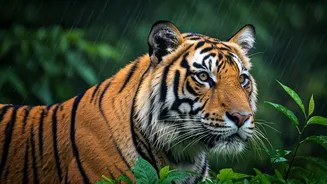



The Gates Are Open
The Karnataka government has officially approved the full resumption of jungle safaris in two of its most famous protected areas: Bandipur and Nagarahole Tiger Reserves. This decision marks the end of restrictions that were first put in place in November
2025 due to a spike in human-wildlife conflict incidents near the parks' borders. Following a temporary suspension and a period of limited, phased operations that began in February 2026, a technical committee of experts assessed the 'carrying capacity' of the forests. Based on their recommendations for a regulated framework, the government has given the green light to restore full safari schedules and vehicle quotas, a move celebrated by tourists and local economies alike.
Which Parks Are Ready for Visitors?
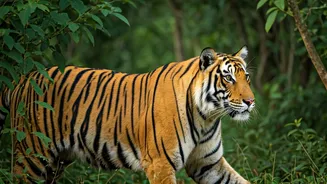
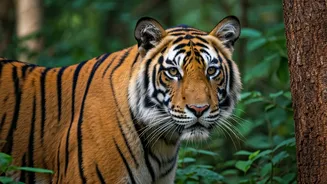
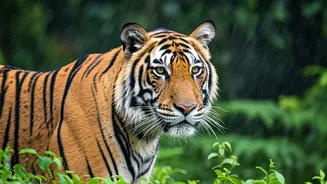
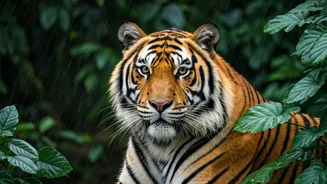
The primary focus of the reopening is on Bandipur and Nagarahole National Parks, two of India's most important tiger habitats. Nagarahole, which includes the well-known Kabini area, and Bandipur are both part of the Nilgiri Biosphere Reserve and are famed for their populations of tigers, leopards, elephants, and gaur. Safari operations in all zones of these parks are expected to return to their normal morning and evening schedules. While these two parks are the highlight, other wildlife sanctuaries in Karnataka, such as Dandeli-Anshi, Bhadra, and BRT Tiger Reserve, operate under their own schedules, with some remaining open during parts of the monsoon, offering diverse wildlife experiences.
The Post-Monsoon Advantage
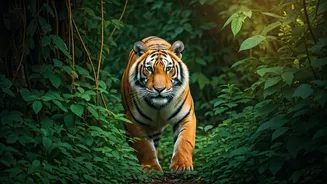
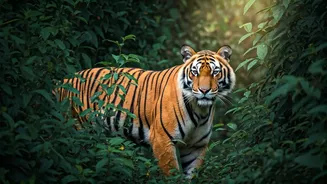
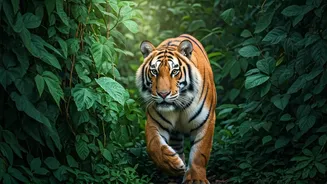
The timing of this full reopening coincides with the magical post-monsoon period. While the previous restrictions were conflict-related, this time of year typically follows the annual monsoon break when forests are closed for regeneration and due to inaccessible trails. Visiting now offers a unique advantage. The jungles are incredibly lush and green, waterholes are full, and the entire ecosystem is bursting with life. This abundance of water and fresh vegetation means animals are more active. It's an exceptional time for birdwatching, with over 200 species, and the vibrant green landscape provides a stunning, high-contrast backdrop for wildlife photography, making every sighting of a deer, elephant, or the elusive tiger even more spectacular.
Planning Your Jungle Adventure
With the news of the full reopening, demand for safari permits is surging, especially for weekend slots in July. To avoid disappointment, booking your safari in advance is highly recommended. The most reliable method is through the official Karnataka Forest Department website. Safari timings generally run from around 6:00 AM to 9:00 AM for the morning session and 3:00 PM to 6:00 PM in the evening. You can choose between a shared Canter (a 20-25 seater bus) or a more intimate Jeep safari. Remember that all safaris are managed by the Forest Department, and you will need to provide valid photo ID for booking and entry. Also, be mindful of road closures; for example, the highway through Bandipur, NH-766, is closed nightly from 9:00 PM to 6:00 AM.
A Responsible Return to the Wild
The government's decision to reopen is rooted in a commitment to sustainable eco-tourism that benefits both conservation and local communities. As a visitor, you play a crucial role in this. The objective of any safari is to observe animals in their natural habitat without disturbing them. Always follow your guide’s instructions. Maintain silence, do not use flash photography, and never attempt to feed or get close to the wildlife. Wear earthy-toned clothing to blend in with the surroundings. A few extra precautions for post-monsoon travel include wearing waterproof boots and carrying a salt or vinegar spray to handle leeches, which can be common on wet trails. By being a responsible tourist, you help ensure these magnificent forests and their inhabitants continue to thrive for generations to come.