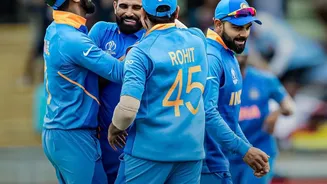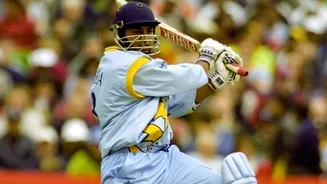

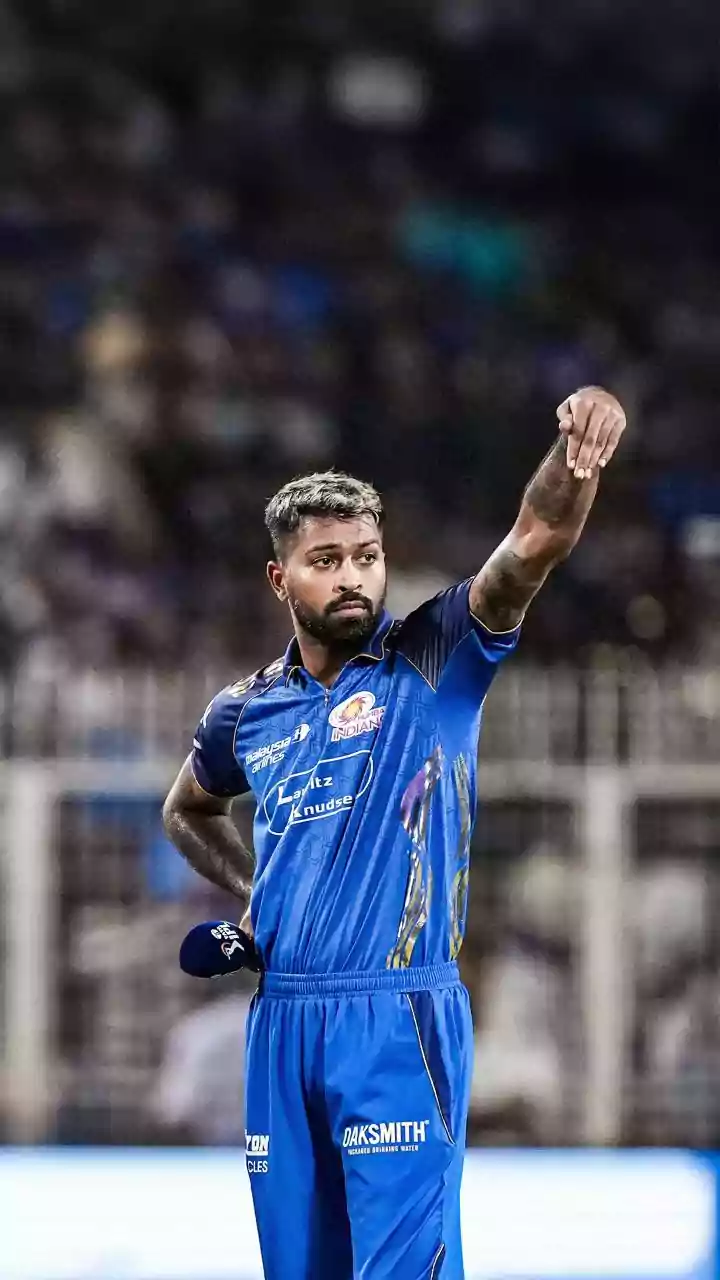

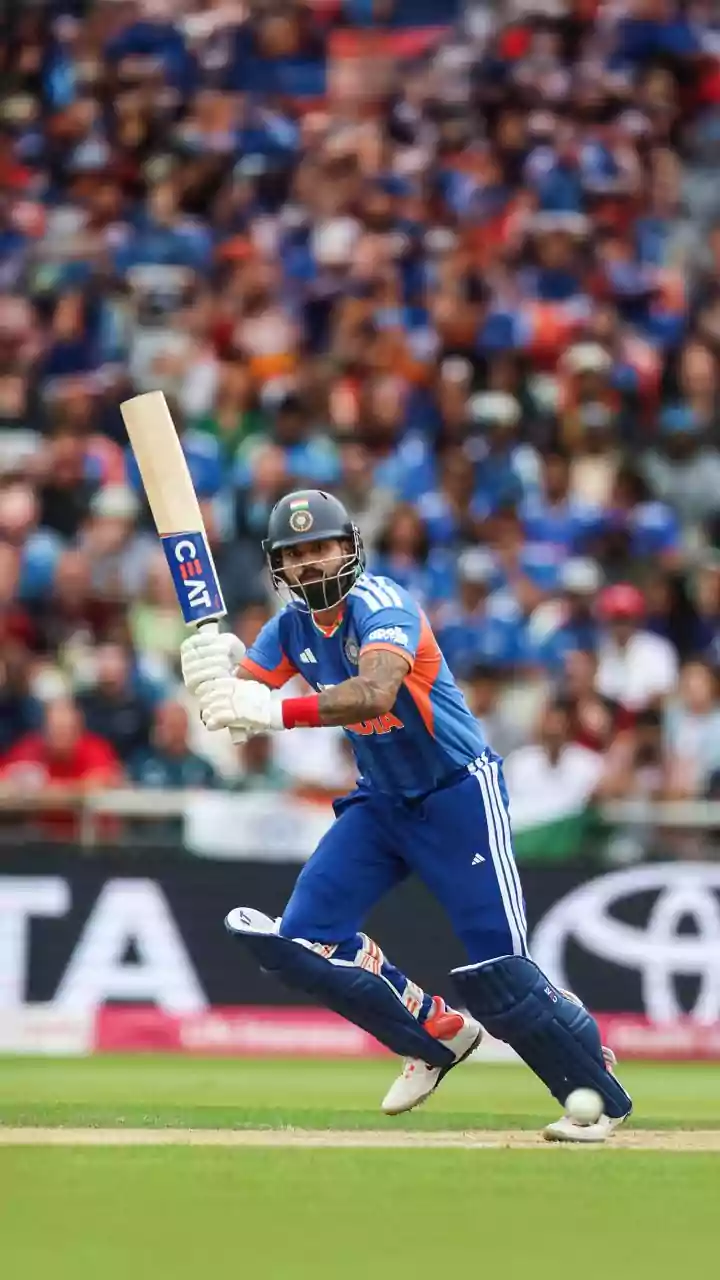
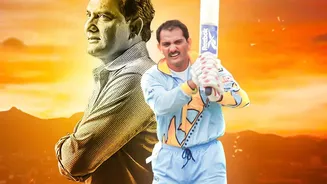
It was a decision that baffled a nation. Rahul Dravid, 'The Wall' of Indian cricket, was a titan of the game. Yet, in the late 2000s, he found himself on the outside looking in, dropped from the One-Day International team.
A New Vision for Indian Cricket
The late 2000s were a period
of significant transition for Indian cricket. After the heartbreak of the 2007 World Cup, a new vision was taking shape under the young and dynamic leadership of MS Dhoni. The focus shifted decisively towards building a team for the 2011 World Cup, which would be held on home soil. This new philosophy prioritized youth, athleticism in the field, and explosive power-hitting in the batting lineup. Dhoni, along with the selection committee led by former explosive opener Kris Srikkanth, was cultivating a side that played a more aggressive brand of cricket. This forward-looking strategy, while logical, placed the careers of several senior players under intense scrutiny.
The Strike Rate Conundrum
For all his undisputed class and technical perfection, the one criticism that followed Dravid in limited-overs cricket was his strike rate. While his role as an anchor was invaluable in Tests, the 50-over format was evolving rapidly. Teams were looking for batsmen who could not only stabilize an innings but also accelerate dramatically in the middle and later overs. In an era where players like Yuvraj Singh, Suresh Raina, and a young Virat Kohli were emerging, the emphasis was on quicker scoring. Dravid, who last played an ODI in late 2007 before his 2009 recall, was perceived as being too slow for this new, turbo-charged version of the game. The selectors were moving towards a template where the middle-order was filled with players who could clear the ropes with ease, a trait not typically associated with Dravid’s classical style.
The Selectors' Tough Call
The decision to phase out senior players is never easy, especially when they are legends of the game. Dravid had been out of the ODI setup for nearly two years after 2007. The selection committee's focus was clear: invest in younger players who could be groomed for the future. The likes of Rohit Sharma and Suresh Raina were seen as the future of the Indian middle order. Dropping a player of Dravid's stature was a bold statement, signaling a definitive shift in policy. It was a calculated gamble, prioritizing future potential over past performance and experience, a move aimed at creating a more dynamic and field-oriented squad.
A Surprise Recall and Final Bow
The story took a surprising turn in mid-2009. The struggles of India's young batsmen against short-pitched bowling, particularly during the T20 World Cup, led to a re_evaluation. The selectors, needing stability and experience for the upcoming Champions Trophy in South Africa, made a U_turn and recalled Dravid to the ODI squad. The move was seen as a temporary measure to shore up a vulnerable middle order on pacy South African pitches. Dravid played in the 2009 Champions Trophy, where he was India's top scorer, ironically proving the value of his stabilizing presence. However, this return was short_lived. Following the tournament, with other players returning from injury, Dravid was once again omitted from the squad for the subsequent series against Australia, effectively ending his ODI journey until a final, brief recall in 2011 where he announced his retirement from the format.