







The Science Behind Rice Water
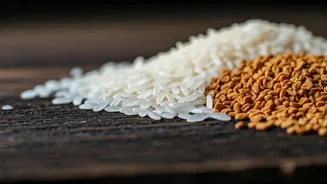
The cloudy liquid left over after soaking or boiling rice is far from just starchy water. It's packed with nutrients, including amino acids, B vitamins, vitamin E, and minerals. The star component is often cited as inositol, a carbohydrate that can penetrate
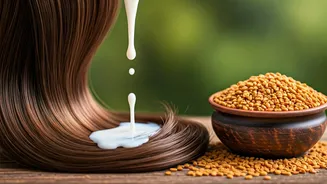
the hair shaft and remain even after rinsing, helping to repair and protect strands from damage. While scientific proof for significant hair growth is limited, there is evidence that it can reduce surface friction and increase hair elasticity, which helps minimize breakage and gives hair a smoother, shinier appearance. Anecdotal evidence, like the famously long hair of the Yao women in China who use it in their routines, has fueled its global popularity.
The Power of Fenugreek (Methi) Seeds
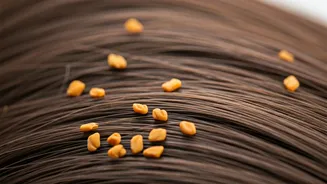
Fenugreek, a staple in Indian kitchens and Ayurvedic medicine, is another natural powerhouse for hair. These small, golden seeds are a rich source of iron, protein, and nicotinic acid, all of which are essential for hair follicle health and growth. They also contain lecithin, a natural emollient that helps moisturize the hair and scalp, and a unique composition of plant compounds like flavonoids and saponins, which are believed to have anti-inflammatory and antifungal properties. Traditionally, fenugreek has been used to combat hair fall, soothe an itchy or flaky scalp, and add softness and lustre to hair.
How to Prepare a Rice Water Rinse
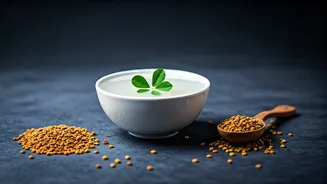
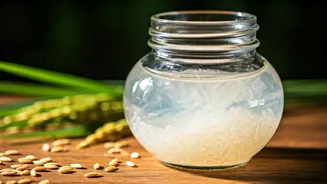
Creating your own rice water is simple. The easiest method is the short soak. Start by rinsing half a cup of uncooked rice to remove any impurities. Then, place the clean rice in a bowl with two to three cups of water and let it soak for at least 30 minutes. For a potentially more potent version, you can try fermented rice water. After soaking, let the water stand at room temperature for 24 to 48 hours until it develops a slightly sour smell. This fermentation process is believed to increase the concentration of antioxidants. Once ready, strain the liquid into a clean bottle for use.
Creating a Fenugreek Hair Mask
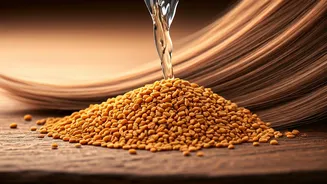
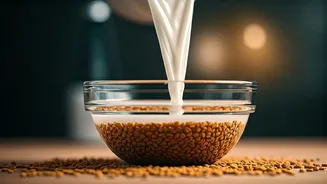
A fenugreek mask is typically made from soaked seeds. Take two to three tablespoons of fenugreek seeds and soak them in water overnight. The next morning, the seeds will be soft and gelatinous. Grind them into a smooth, fine paste, adding a little water if needed to get the right consistency. For extra conditioning, you can mix this paste with ingredients like plain yogurt, which adds protein, or a tablespoon of coconut or olive oil for added moisture. The goal is a creamy paste that is easy to apply from root to tip.
Your New Hair Care Ritual
To incorporate these treatments, start by washing your hair with shampoo. Then, apply your chosen treatment. For the rice water rinse, pour it over your hair, making sure to massage it into your scalp and strands. Leave it on for about 20 minutes before rinsing thoroughly with warm water. For the fenugreek mask, apply the paste generously from roots to ends. Let it sit for 30 to 45 minutes before rinsing it out completely, which may require a gentle shampoo. You can use these treatments once a week, either on their own or by combining them, for example by using the fenugreek water left from soaking the seeds as a pre-shampoo spray.
Managing Expectations and Potential Risks
While many people see benefits, it's important to be realistic. These are not miracle cures for hair loss, and results will vary based on your hair type and condition. One potential side effect of rice water is protein overload, especially for those with low-porosity or fine hair. Too much protein can make hair feel stiff and brittle, so it's best to start with weekly treatments and see how your hair responds. If you have a sensitive scalp or skin conditions like eczema, it's always a good idea to do a patch test first or consult a dermatologist.