


A Legacy Nearly Lost
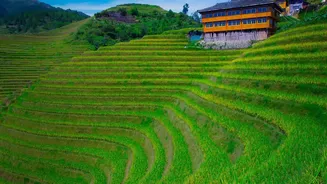
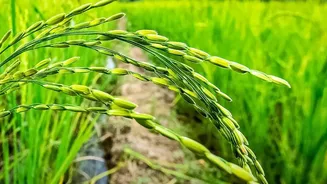
India was once home to an astonishing biodiversity of rice, with estimates suggesting over 100,000 distinct varieties cultivated across its diverse landscapes. Each grain was adapted to its specific environment, from flood-prone river valleys to arid
uplands. However, the Green Revolution of the 1960s, while successful in increasing food production, prioritised high-yield, uniform crops. This focus led to a sharp decline in the cultivation of traditional landraces, with thousands of varieties vanishing from farmers' fields and being confined to seed banks. This shift not only eroded agricultural biodiversity but also disconnected many from the unique nutritional and culinary properties these heritage grains offered.
The Nutritional Powerhouses
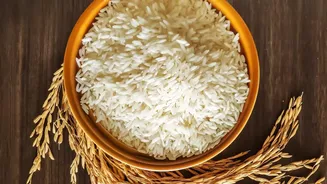
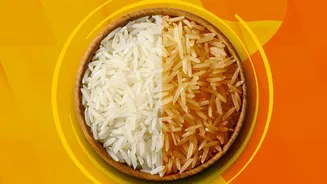
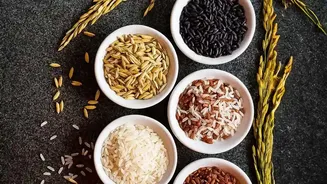
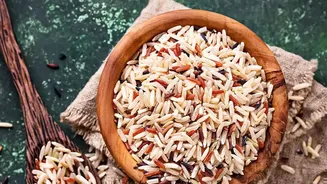
The renewed interest in traditional rice is largely driven by a growing awareness of their superior nutritional profiles compared to modern polished white rice. Many heritage varieties are unpolished, meaning they retain their bran layer, which is packed with fibre, vitamins, and minerals. Varieties like Navara from Kerala, mentioned in ancient Ayurvedic texts, are rich in antioxidants, iron, and zinc and are known for being easy to digest. Similarly, Chak-Hao, the aromatic black rice of Manipur, is loaded with anthocyanins, the same powerful antioxidants found in blueberries. Red rice varieties like Mappillai Samba and Kattuyanam are celebrated for their high fibre content, which aids in digestion and can help manage blood sugar levels.
Champions of the Revival
The comeback of these grains is a story of passion and persistence. It is being led by a dedicated network of farmers, conservationists, and non-profit organisations. Individuals and groups across the country are meticulously saving and sharing indigenous seeds. Farmer collectives in states like Kerala, West Bengal, and Odisha are actively cultivating these varieties, often using organic methods. State governments have also started to recognize their importance, with initiatives like Tamil Nadu's State Heritage Rice Mission promoting the cultivation of specific landraces. The Geographical Indication (GI) tag awarded to varieties like West Bengal's aromatic Gobindobhog and Manipur's Chak-Hao has further protected their authenticity and boosted their market value.
Bringing Heritage to the Table
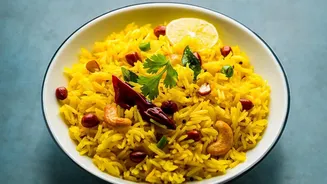
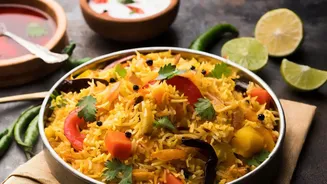
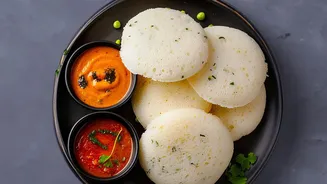
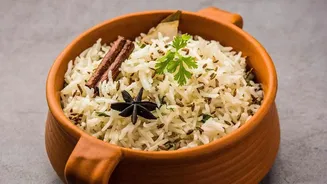
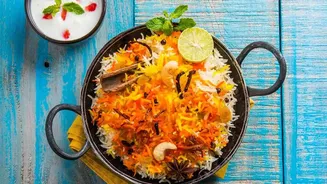
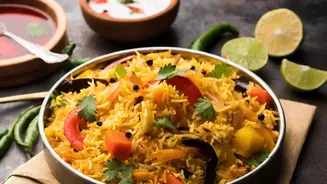
This revival is not just happening on farms; it's extending into modern Indian kitchens. Health-conscious consumers are seeking out these grains for their nutritional benefits and unique flavours. From the nutty taste of black rice to the buttery aroma of Gobindobhog, these varieties offer a new world of culinary experiences. You can find them in speciality stores and online, ready to be used in a variety of dishes. Black rice makes for a stunning kheer or porridge, while the short-grained Gobindobhog is perfect for traditional Bengali dishes like khichuri and payesh. Red rice can be a wholesome substitute for white rice in daily meals, and the medicinal Navara rice is often used to make nourishing kanji (porridge). By choosing these grains, consumers not only enhance their own well-being but also support the farmers who are preserving this vital agricultural legacy.