

From 'Shelfie' to Serenity
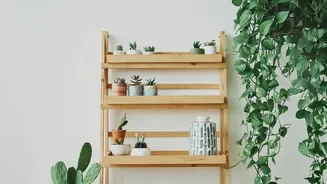
The era of the over-stuffed bookshelf—crammed with colour-coded spines, quirky objects, and trailing plants all vying for attention—may be drawing to a close. This highly curated, camera-ready look, once a staple of online design inspiration, is giving
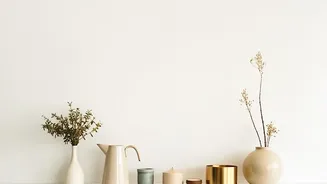
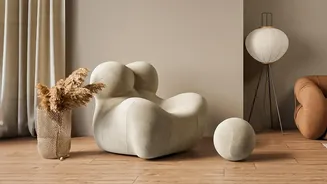
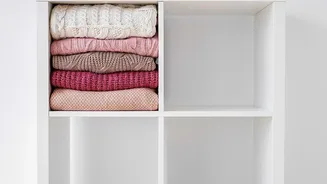
way to a more tranquil and authentic approach. The new wave in home decor celebrates negative space, the intentional emptiness around objects that allows them to breathe. Instead of filling every inch, the focus is shifting to what can be removed, creating a look that feels less like a showroom and more like a restful sanctuary. This reversal isn't about stark, cold minimalism; rather, it’s about making conscious choices and letting your most cherished items shine.
The Rise of Quiet Luxury
So, why the sudden embrace of emptiness? This trend is closely linked to the broader cultural shift towards 'quiet luxury.' Having gained momentum in fashion, this ethos is now reshaping our homes. It prioritises timelessness, craftsmanship, and quality over loud, trend-driven statements. The goal is to create a space that feels calm, collected over time, and deeply personal. In a world of sensory overload, a decluttered environment can significantly reduce stress and anxiety. Psychologically, an organised space with visual breaks helps improve focus and creates a sense of order, allowing our minds to relax. By consciously choosing fewer, better things, we make our homes more liveable and our favourite objects more meaningful.
The Art of Intentional Subtraction
Adopting this new approach starts with a mindset shift. Instead of asking, “What can I add to this shelf?” ask, “What can I take away?” Begin by clearing your shelves completely. This gives you a blank canvas and a fresh perspective. Then, assess each item individually. The goal is to keep only what is truly beautiful, useful, or meaningful to you. This isn't about getting rid of everything, but about curating with intention. Be ruthless with items that are just filling space. This process of editing is key to creating a look that feels both elevated and personal. Consider creating a 'maybe' box for things you're unsure about. Store it away for a month; if you haven't missed the items, it's a clear sign you can let them go.
Practical Tips for Styling With Space
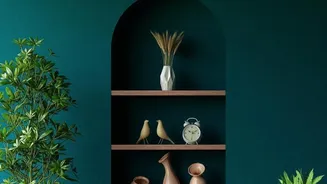
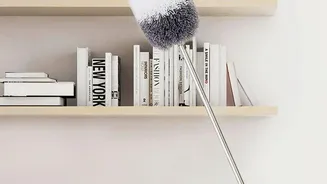
Once you've edited your collection, styling becomes about balance and composition. Start by placing your largest items first, as these will act as visual anchors for your arrangement. Then, apply the 'rule of three' by grouping objects in odd numbers, which is often more visually appealing. Create visual interest by varying the height, shape, and texture of your items. Combine smooth ceramics with rough-hewn wood or shiny metal with soft textiles. Don't be afraid to leave significant gaps; this negative space is what makes the composition work. Stack some books horizontally to create a platform for a smaller object, and stand others vertically with the help of a heavy, sculptural bookend. The goal is to create a rhythm that guides the eye peacefully across the shelf, not overwhelm it.
Embrace Your Authentic Home
Ultimately, the move towards more empty space is a rebellion against the pressure to perform for an invisible audience. It’s about creating a home that genuinely supports your well-being, rather than one designed for social media validation. An uncluttered space can promote creativity and reduce decision fatigue, making your home a true retreat from the outside world. This trend isn't a rigid new set of rules you must follow. It’s an invitation to be more thoughtful about the things you choose to live with. Allow your shelves to tell a more focused, personal story—one where every object has a purpose and there is plenty of room to breathe. Your home should reflect you, not a fleeting online aesthetic.