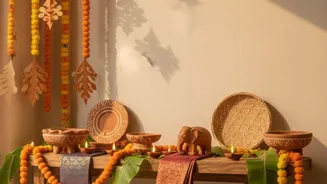


The shimmering lights, the aroma of fresh sweets, and the joy of family gatherings—Diwali is a feeling. But for many urban Indians, it also brings a frantic rush. Here’s how kitchens are evolving to keep the joy without the burnout.
The Modern Diwali Dilemma
In bustling Indian
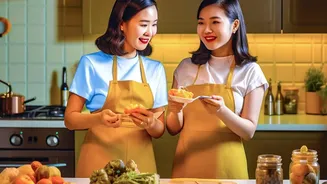
cities, the weeks leading up to Diwali are a race against time. For working professionals and nuclear families, the cherished tradition of preparing an elaborate spread of homemade sweets ('mithai') and savouries ('namkeen') can feel overwhelming. Juggling demanding careers with the desire to uphold festive traditions creates a significant challenge. The expectation to deep-clean the home, shop for gifts, decorate, and cook a feast from scratch often leads to stress rather than celebration. This modern reality is reshaping how urban households approach the festival, giving rise to a new, blended model of preparation.
The Art of Strategic Outsourcing
Instead of viewing store-bought items as a departure from tradition, many now see them as a form of smart delegation. The goal is no longer to do everything by hand, but to strategically choose what to make and what to buy. This approach allows families to focus their time and energy on preparing a few signature dishes that hold sentimental value, while outsourcing the more labour-intensive elements. It’s a compromise that preserves the spirit of a homemade celebration while acknowledging the constraints of a modern lifestyle.
Savoury Snacks: The First to Go Commercial
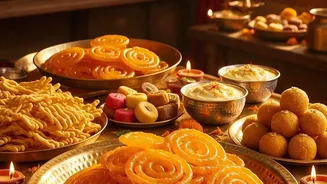
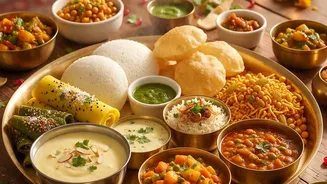
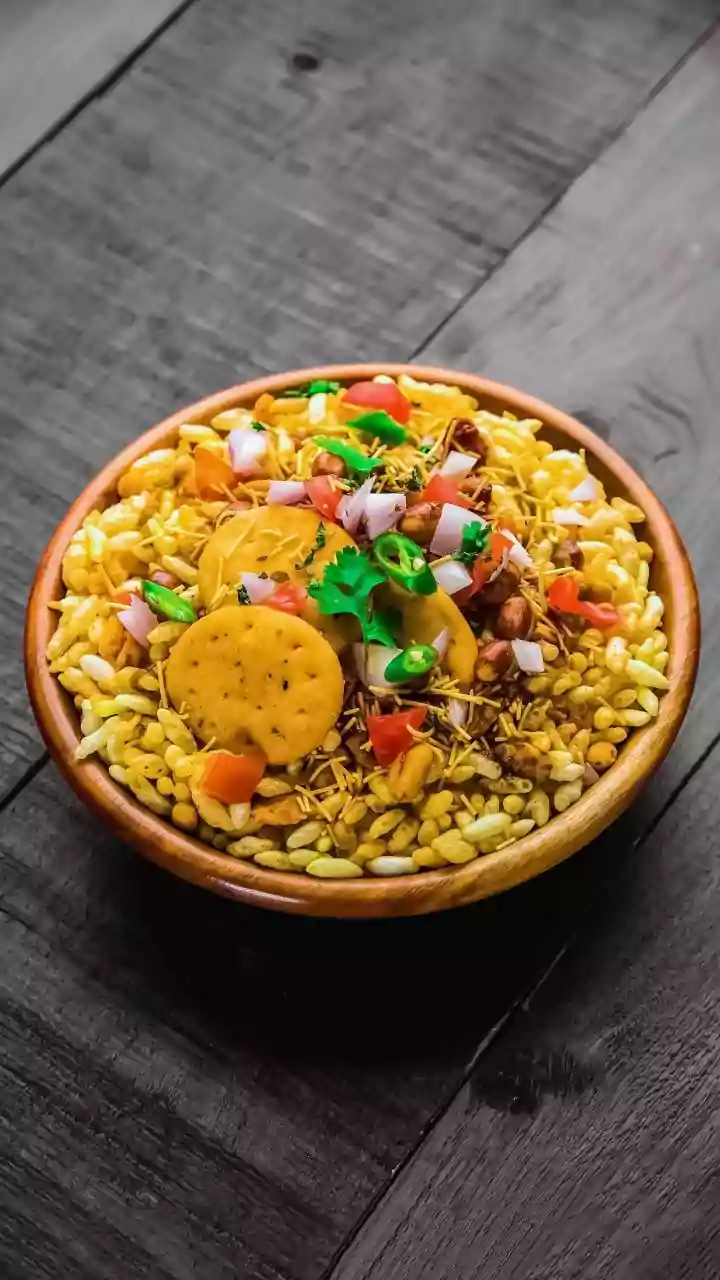
The commercial purchase trend is most visible with 'farsan' or savoury snacks. Items like chakli, mathri, chivda, and karanji are notoriously time-consuming to prepare in large batches. Today, a vast market of high-quality, packaged namkeen from trusted legacy brands and new-age startups offers a convenient alternative. Families can now buy assorted savoury platters that taste authentic, freeing up valuable time that can be spent with loved ones instead of in front of a frying pan. This convenience has made store-bought namkeen a staple in many urban homes during the festive season.
Sweets: A Hybrid and Thoughtful Approach
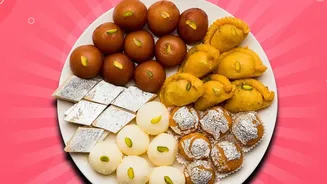
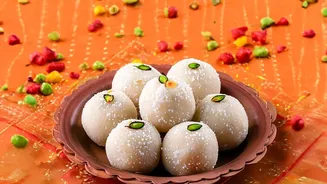
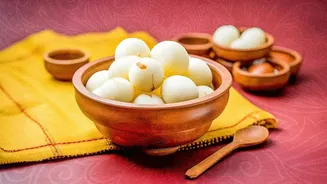
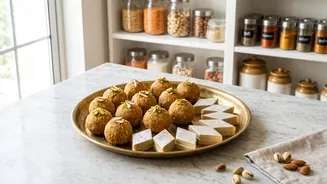
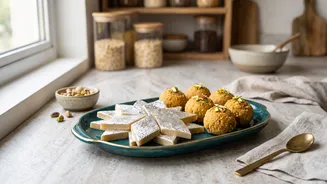
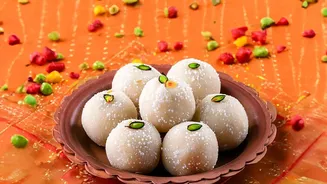
When it comes to sweets, the approach is often more hybrid. While some households buy all their mithai, many opt for a middle path. This might involve buying difficult-to_make classics like Kaju Katli or Soan Papdi while preparing simpler favourites like Besan Laddoos or Sooji Halwa at home. Another popular strategy is purchasing high_quality base ingredients, such as pure ghee, organic jaggery, or ready_made khoya, to ensure the homemade sweets have an authentic and rich flavour without starting entirely from scratch. This blend of buying and making ensures the dessert table is abundant and varied, without placing an undue burden on one person.
Beyond the Kitchen: A Holistic Strategy
This streamlining strategy extends beyond food. The market has responded with a range of products designed to simplify all aspects of Diwali preparations. Pre_designed rangoli stencils, battery_operated diyas, curated puja kits with all necessary items, and festive home décor sets are all popular commercial purchases. These products help reduce the mental load and logistical effort involved in festival prep, allowing for a more focused and joyful celebration of rituals and family time.