


Find Your Viewing Spot
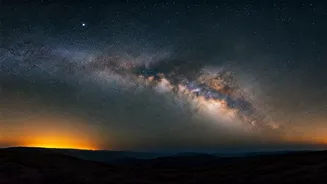
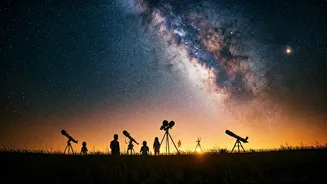
The first and most important step is getting away from light pollution. The glow from streetlights, buildings, and cars creates a haze that washes out all but the brightest stars. You don't necessarily need to drive for hours into the wilderness (though
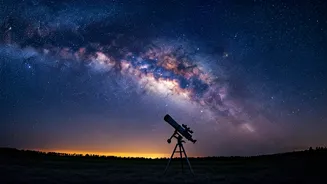
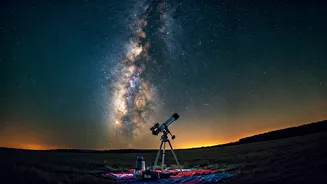
it helps!). Often, a local park, a quiet suburban backyard, or even just the darkest corner of your apartment complex can make a significant difference. The goal is to find a spot with a wide-open view of the sky, away from the direct glare of artificial lights. Give yourself a moment. It takes about 20-30 minutes for your eyes to fully adapt to the darkness, a process called dark adaptation. Resist the urge to check your phone—its bright screen will instantly reset your night vision.
Start with the Brightest Objects
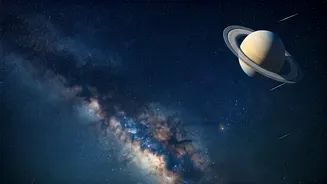
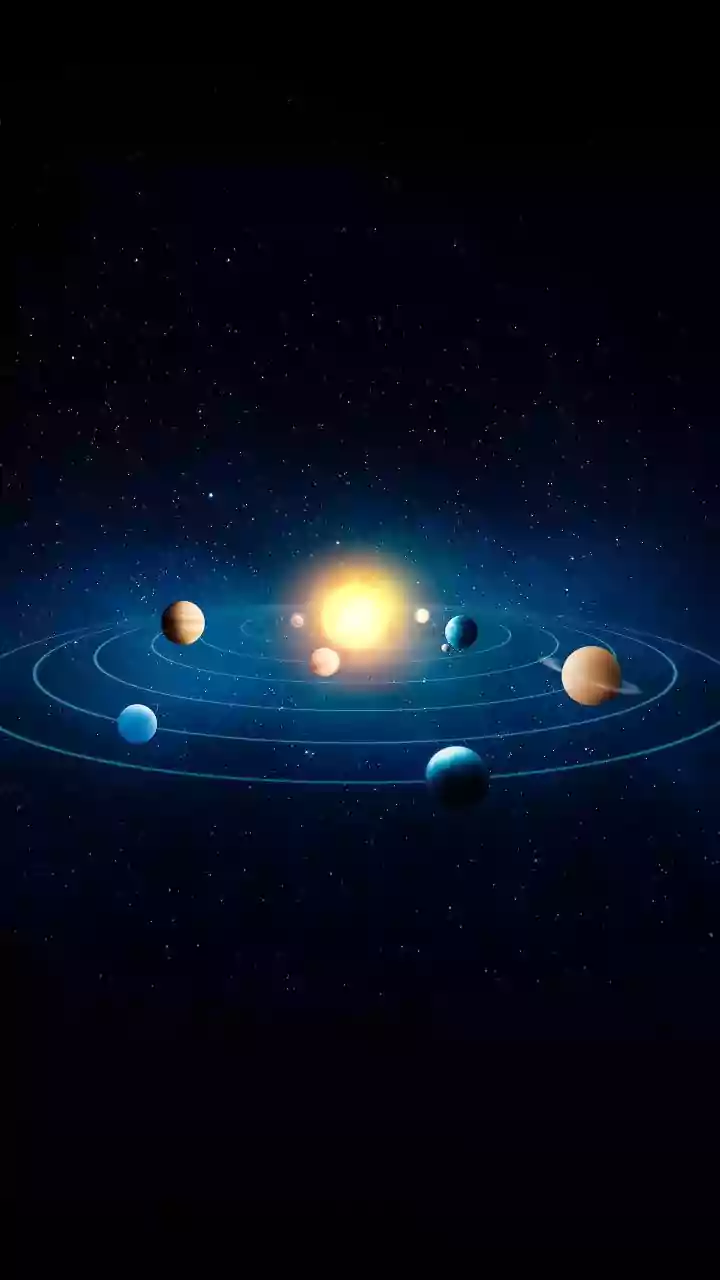
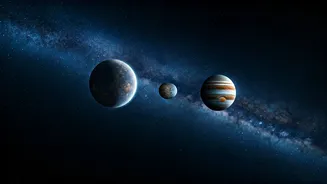
Before you try to find obscure constellations, focus on the easiest targets. The Moon is the most obvious and rewarding. Notice its phase—is it a slender crescent or a brilliant full orb? Can you see the dark plains (called 'maria') and the bright, cratered highlands? The Moon is a dynamic, ever-changing neighbor, and simply observing its journey across the sky is a show in itself. Next, look for any exceptionally bright 'stars' that aren't twinkling. Those are likely planets. Venus is often the first 'star' to appear after sunset or before sunrise, shining with a steady, brilliant white light. Jupiter is also exceptionally bright, while Mars has a distinct reddish hue. Spotting these wanderers among the fixed stars is a foundational thrill of stargazing.
Learn One Celestial Landmark
The night sky can feel overwhelming, like an infinite spray of glittering dots. The key is to find an anchor point. For most people in the Northern Hemisphere, the easiest starting point is the Big Dipper. This famous asterism (a pattern of stars that isn't an official constellation) is easy to spot and visible year-round. Its seven bright stars form a distinct ladle or saucepan shape. Once you find it, you can use it to find other stars. The two stars at the end of the Dipper's 'bowl' point almost directly to Polaris, the North Star. Suddenly, you're not just looking at random dots; you're navigating. In other seasons, you might look for Orion the Hunter with his famous three-star belt, or the 'W' shape of Cassiopeia. Pick one, learn to find it, and the rest of the sky will start to feel more familiar.
Use a Modern Guide
Ancient sailors used astrolabes; you have a supercomputer in your pocket. Using a stargazing app is not cheating—it's an incredible tool for learning. Apps like Star Walk 2, SkyView Lite, or Stellarium use your phone’s GPS and compass to create a real-time map of the sky. Just point your phone up, and the app will identify the stars, constellations, planets, and even satellites you're looking at. Many have features that overlay constellation art, provide information about celestial objects, and notify you of upcoming events like meteor showers or space station flyovers. Use the 'red light' mode if it's available, which tints the screen red to help preserve your precious night vision.
Just Lie Back and Look
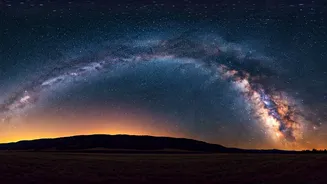
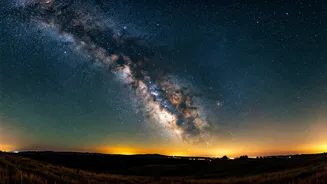
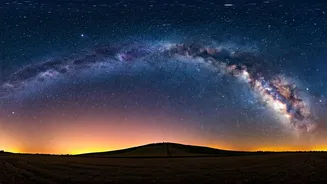
While identifying constellations is fun, don't let it become a stressful test. The most profound part of stargazing requires no knowledge at all. Find a comfortable spot, lie on a blanket or in a reclining chair, and just… watch. Let your eyes drift across the Milky Way's faint, hazy band on a dark summer night. Count the seconds between meteors during a shower. Notice the subtle differences in the color and brightness of the stars. This is the part that truly disconnects you from the day's noise. It's a meditative experience that connects you to the vastness of the universe and your own small, wonderful place within it. There's no finale, no credits—just a quiet, persistent sense of awe. That's a feeling no television show can replicate.