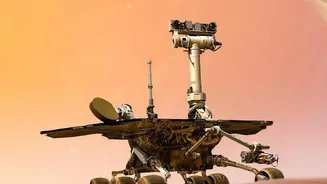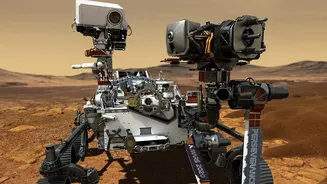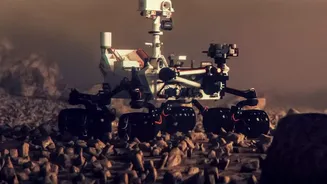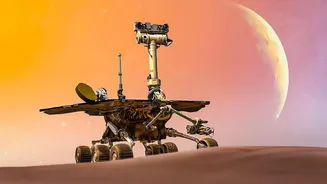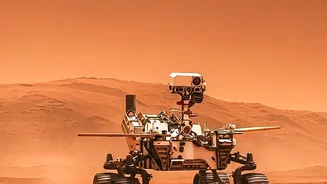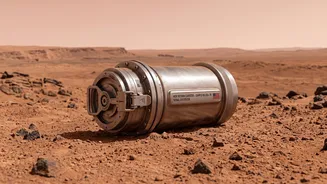



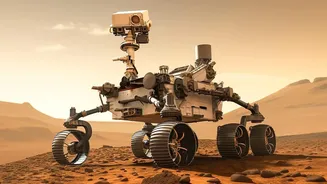


For years, NASA's Perseverance rover has been drilling and storing precious rock samples on Mars. Now, the agency is clarifying how it plans to achieve the next, monumental step: bringing them home under a new initiative.
What is the Mars Sample Return Mission?
The Mars Sample Return (MSR) campaign
is one of the most ambitious space exploration projects ever conceived. It's a multi-stage, international effort to do something never done before: launch a rocket from another planet, meet it in orbit, and bring its cargo back to Earth. Since its landing in 2021, the Perseverance rover has been dutifully collecting and caching tubes of Martian rock, soil, and atmosphere in Jezero Crater. These samples are thought to be our best chance at finding definitive proof of ancient microbial life on the Red Planet. But collecting them was just the beginning. The incredible complexity and rising costs of getting them home have led to several redesigns.
Enter the PSRA Plan
On November 9, 2026, NASA officials announced a fresh push to finalize the strategy, dubbed the Perseverance Sample Retrieval Architecture, or PSRA. This isn't a completely new mission, but rather a focused initiative to develop impartial and concrete recommendations for how to retrieve the samples collected by Perseverance. The MSR program has faced significant hurdles, including an estimated cost that swelled to $11 billion with a return date slipping to 2040, which NASA deemed too expensive and too slow. The PSRA is tasked with reviewing all prior lessons and evaluating current options to lock in a more feasible and timely plan.
So, What's the New Clarification?
The key clarification is that NASA is formally kickstarting this new strategic review team to make firm decisions. Instead of detailing the technical steps themselves, the PSRA announcement clarifies the process for choosing those steps. The PSRA strategy team will officially begin its work in January 2027 and is expected to deliver its final report in the winter of 2027-2028. This team will assess everything from mission requirements to acquisition options, effectively hitting the reset button on the planning phase to find a path forward that is faster and more affordable.
The Core Challenge: A Relay Race Across Space
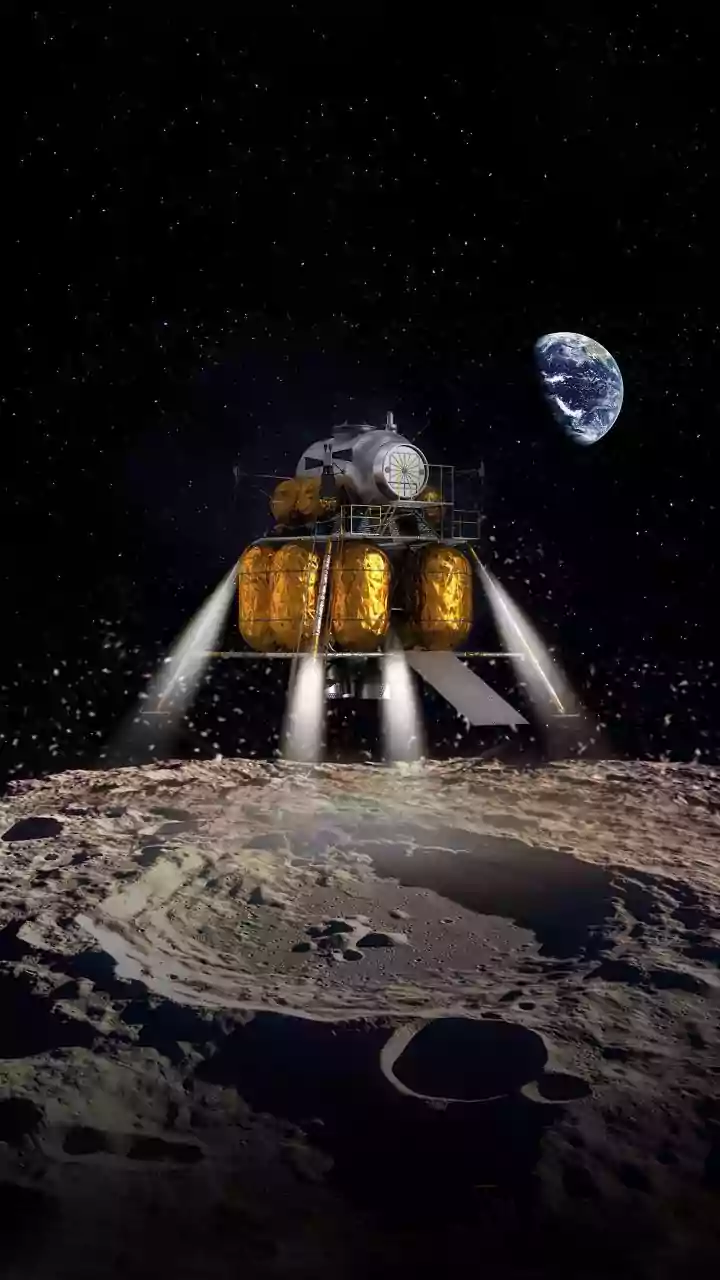
While the PSRA will finalize the details, the basic architecture of the return mission has been outlined for years in a collaboration between NASA and the European Space Agency (ESA). First, a Sample Retrieval Lander would touch down on Mars. This lander would carry a small rocket, the Mars Ascent Vehicle (MAV). A fetch rover would then gather the sample tubes left by Perseverance and load them into the MAV. The MAV would then launch into Mars orbit—a historic first. There, an ESA-built Earth Return Orbiter would need to autonomously find, capture, and seal the sample container before firing its engines for the long journey back to Earth.
A New Space Race?
Adding a sense of urgency to the PSRA initiative is the progress of other nations. China is moving forward with its own Mars sample return mission, named Tianwen-3. Chinese space officials are reportedly on track to launch their mission around 2028, with the goal of returning about 500 grams of Martian samples to Earth as early as 2031. This competitive timeline is undoubtedly a factor in NASA's renewed push to solidify its own plans and maintain a leadership position in the scientific exploration of Mars.