









The Community Conundrum
We want to be good neighbours, but we also value our privacy and assume others do, too. This creates a modern dilemma: you notice something unusual next door, and a flicker of concern arises. Should you knock? Is it your business? The fear of overstepping
or being seen as nosy can be paralysing. However, ignoring genuine warning signs could have serious consequences, especially for elderly neighbours, those living alone, or individuals with known health issues. Building a community where people look out for each other starts with knowing how to navigate this balance with care, respect, and a clear understanding of what to do and when.
Subtle Signs It Might Be Time to Check
Concern doesn't have to start with a dramatic event. Often, it's a collection of small, unusual changes that suggest a neighbour might need help. Keep an eye out for breaks in their normal routine. For instance, if a neighbour who always collects their newspaper at 8 a.m. suddenly leaves it on the doorstep for days, it could be a sign of trouble. Other indicators include mail piling up in the letterbox, packages left unclaimed, or curtains that remain drawn for an unusually long period. You might also notice their yard becoming unkempt when it's normally tidy, or their pet seems distressed or hasn't been taken for its usual walk. These are quiet signals that a simple, friendly check-in might be warranted.
How to Make Contact Respectfully
If you decide to act, your first approach should be gentle and non-invasive. The goal is to offer help, not to interrogate. A simple knock on the door to say hello is a great start. You could say something like, "Hi, I haven't seen you in a couple of days and just wanted to make sure everything is alright." If you have their phone number, a quick call or a text message is another low-pressure way to check in. It’s often a good idea to exchange numbers with neighbours when you first meet for exactly these situations. Avoid peering through windows or trying to get a look inside their home, as this crosses the line from concerned to intrusive. The initial contact should always prioritise their right to privacy.
When to Escalate to a Welfare Check
If you knock and there's no answer, or if you have strong reasons to believe your neighbour is in immediate danger, it's time to escalate. This is when you should call for a formal welfare check. Contact the non-emergency number for your local police department. Clearly explain why you are concerned, providing specific details like their name, address, and the signs you've observed. Mention how long it's been since you've seen them and any known medical conditions if you are aware of them. Law enforcement officers are trained to handle these situations. They will knock and announce themselves, and if they have reasonable cause to believe the person is in danger, they can enter the property to provide aid. Do not attempt to enter a neighbour's home yourself, as this can be unsafe and legally problematic.
Handling an Emergency Situation
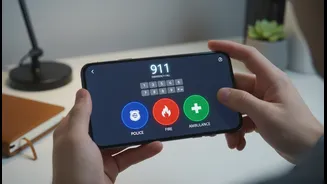
If you hear sounds of a struggle, cries for help, or see something that suggests an immediate, life-threatening crisis, you should call emergency services directly. In India, the nationwide emergency number is 112. When you call, calmly provide the address and describe exactly what you are hearing or seeing. Do not intervene directly if you believe there is violence or a medical emergency in progress, as this could put you at risk. Let the trained professionals handle the situation. Your role as a neighbour is to be a responsible and swift reporter, providing clear information so that help can arrive as quickly as possible.