




From 'You Might Like' to 'Made For You'
For years, online shopping recommendations were based on simple logic: 'shoppers who bought this also bought that'. This collaborative filtering often led to generic and sometimes irrelevant suggestions. The shift we're seeing now is towards hyper-personalisation,
a system designed to understand you as an individual. Instead of broad trends, new AI-powered services analyse your past purchases, browsing history, social media activity, and even items you've clicked on to build a detailed profile of your unique taste. The goal is to move from suggesting what's popular to predicting what you will personally love, creating a shopping experience that feels curated just for you.
The AI Stylist in Your Pocket
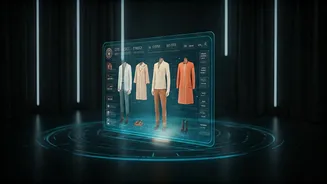
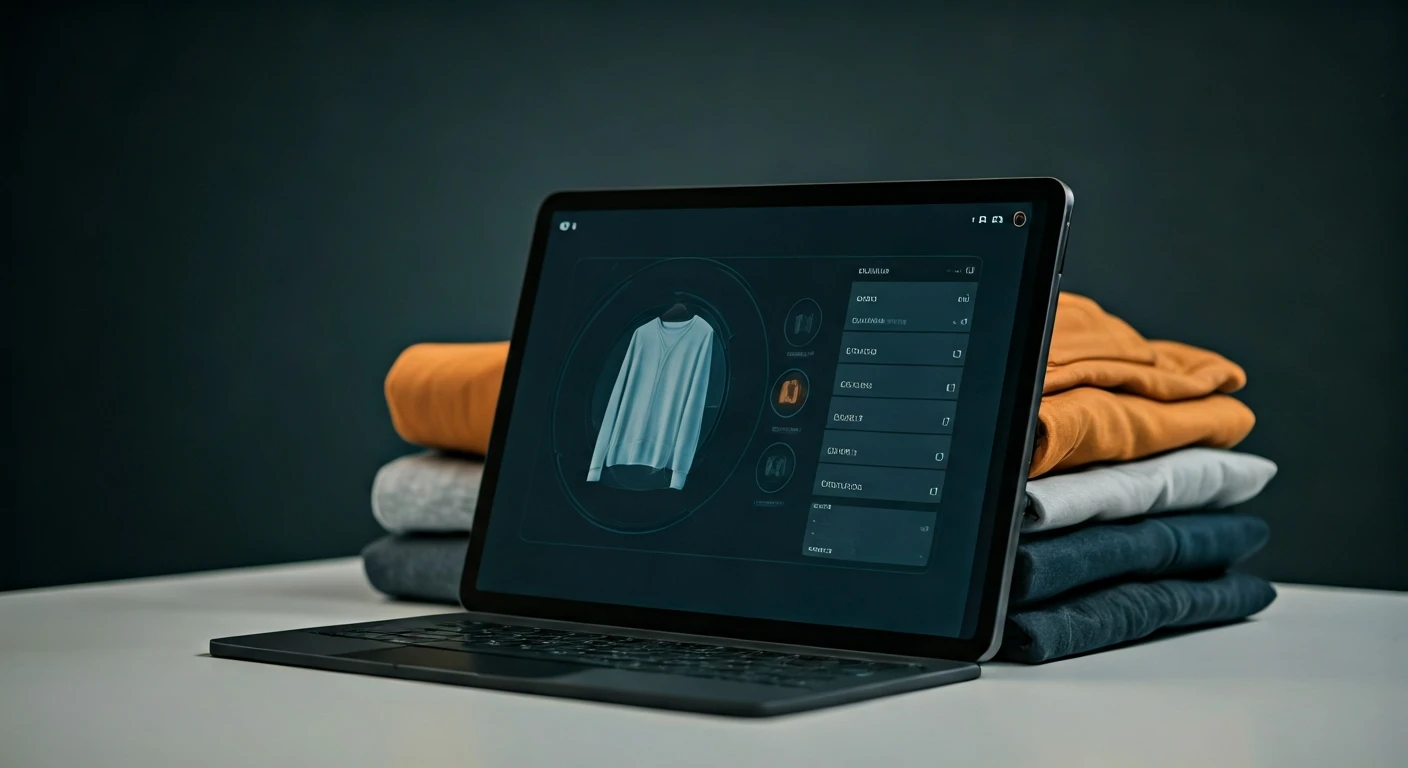
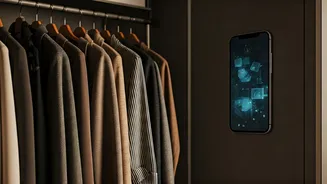
At the heart of this revolution is Artificial Intelligence (AI), particularly machine learning and computer vision. A growing number of apps now function as digital stylists. You can upload photos of your existing wardrobe, and the AI will categorise each item by colour, style, and type. Some apps can perform a 'colour and body diagnostic' to determine which shades and shapes suit you best. The result is an AI that can build outfits from clothes you already own, suggest what to wear for a specific occasion based on the weather, and even show you what a new item would look like on you before you buy it. This transforms your phone into a style consultant that understands your closet better than you might.
Try It On, Virtually
One of the biggest hurdles of online shopping is the inability to try things on. Virtual try-on (VTO) technology is changing that. Using your phone's camera, augmented reality (AR) overlays a 3D model of a garment onto your real-time image. This allows you to see how a dress drapes, how a pair of shoes fits, or how a necklace sits, all from your living room. Some advanced systems even allow you to create a digital avatar with your precise measurements for a more accurate fit prediction. This technology significantly boosts buyer confidence, with some retailers reporting massive increases in conversion rates and a significant reduction in returns, which is also a win for sustainability.
Personalisation in the Indian Context
While many of these AI-driven platforms are global, the principles of personalisation are highly relevant in India. For a market with diverse occasions, from traditional weddings to modern workwear, a one-size-fits-all approach to style falls short. Human-led personal styling services in India have long offered tailored advice for events, wardrobe building, and even personal grooming. The new wave of AI tools can democratise this service, offering budget-friendly, accessible style advice. While global apps are catching on, there is a growing opportunity for platforms that deeply understand Indian aesthetics, from the nuances of ethnic wear to contemporary, Indo-western styles designed for modern daily life.
The Price of a Perfect Fit
This level of personalisation requires a significant amount of personal data. To make accurate recommendations, these apps collect information about your body measurements, style preferences, purchase history, and even facial scans for virtual try-ons. This raises valid privacy concerns about how this sensitive data is collected, stored, and used. There are risks of data breaches, and the potential for algorithms to create discriminatory outcomes or manipulate consumer behaviour. As a user, it's crucial to be aware of the permissions you grant and to choose services that are transparent about their data practices and prioritise user security.