



Recognizing the Signs of Overcrowding
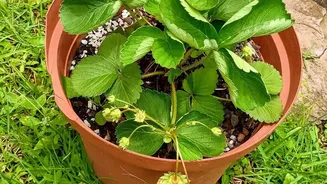
Plants give clear signals when they feel cramped. One of the most common signs is reduced flowering or smaller-than-usual blooms. You might also notice a dead or bare patch in the center of a perennial, which happens when the older, central part of the plant
dies out. Other indicators include weak, spindly stems that flop over, or yellowing leaves caused by a lack of sunlight and poor air circulation. Overcrowded conditions create a humid environment that can encourage fungal diseases and pests. If you find that some plants are struggling while their neighbours thrive, or that it's simply difficult to water and care for them, overcrowding is likely the culprit.
When and How to Divide Perennials
Division is the process of splitting a single plant into several smaller ones, and it's an excellent way to rejuvenate perennials and gain more plants for free. Most perennials benefit from division every three to five years. A general rule of thumb is to divide spring and summer-blooming perennials in the fall, and fall-blooming ones in the spring. This allows the plant to focus its energy on root and leaf growth rather than flowering. To divide a plant, carefully dig up the entire root ball. Gently remove loose soil and look for natural separation points. Some plants can be pulled apart by hand, while those with dense, fleshy roots might require a clean, sharp knife or even two garden forks placed back-to-back to pry them apart. Each new division should have a healthy clump of roots and three to five shoots. Replant the divisions at the same depth they were originally, and water them well to help them get established.
Providing the Right Support
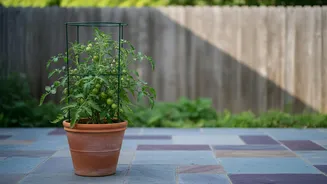
Sometimes, a plant isn't overcrowded but simply can't support its own weight, especially those with heavy blooms like peonies or tall vegetable plants like tomatoes. Providing support keeps stems from snapping and fruit off the ground, where it's vulnerable to pests and rot. The type of support depends on the plant. For single, tall stems, a simple bamboo or metal stake is effective. Use soft ties like garden twine or cushioned wire to loosely attach the stem to the stake, allowing room for movement and growth. For bushier plants that tend to splay outwards, grow-through cages, peony rings, or a DIY grid of stakes and twine work well. The key is to install these supports early in the season, allowing the plant to grow up through them for a more natural look.
The Art of Selective Pruning
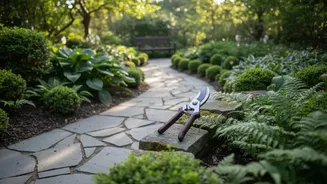
Pruning isn't just about controlling size; it's a crucial practice for improving plant health by increasing airflow and sunlight penetration. Selective pruning involves removing specific branches to maintain the plant's natural shape and reduce density. The first step is always to remove any dead, damaged, or diseased branches, cutting them back to the base. For overgrown shrubs, a renewal pruning technique is highly effective. This involves cutting about one-third of the oldest, thickest stems right down to the ground each year over a three-year period. This stimulates new, vigorous growth from the base and completely rejuvenates the shrub without leaving a bare spot in your garden. Thinning out crossing branches or those growing toward the center of the plant also dramatically improves air circulation, which helps prevent fungal issues.