



Understanding the Monsoon Risk
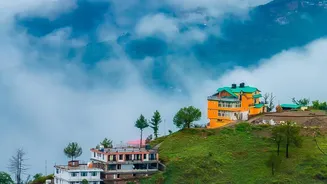
The allure of a misty mountain drive during the monsoon is strong, but the same rains that create the beauty also saturate the soil, making slopes unstable. Water adds immense weight to soil and rock, while also increasing internal pressure that can push
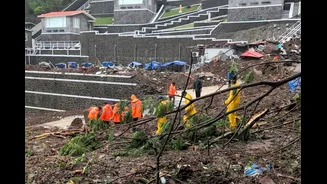
particles apart, reducing friction. This combination makes hilly and mountainous regions particularly vulnerable to landslides, which can range from minor rockfalls to massive debris flows that move with terrifying speed. Recent monsoon seasons have seen an increase in such incidents in popular tourist destinations, turning dream holidays into dangerous situations. Official bodies like the National Disaster Management Authority (NDMA) issue guidelines because the risk is real and recurring, not a freak accident. For travellers, this means planning must go beyond booking hotels and include a serious assessment of weather and terrain.
High-Risk Zones in India
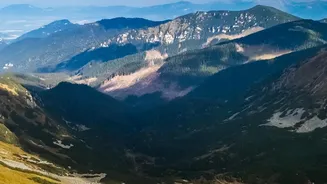
While any hilly area can be a risk, some regions are notoriously prone to landslides during heavy monsoons. In North India, the Himalayan states are a major concern. Himachal Pradesh (especially the Kullu-Manali, Shimla, and Kinnaur regions) and Uttarakhand (along routes to Mussoorie, Nainital, and the Char Dham Yatra) frequently experience road blockages and slides. The Jammu-Srinagar highway is also a vulnerable corridor. In the Western Ghats, the winding roads to popular spots in Maharashtra like Lonavala and Khandala, as well as high-range areas in Kerala (Munnar, Wayanad) and Tamil Nadu (the Nilgiris), require extreme caution. Eastern India, particularly the routes to Darjeeling and Sikkim, also face significant disruptions due to the fragile geology and intense rainfall.
Before You Leave: A Pre-Travel Checklist
Preparation is your first and best line of defence. Before starting your journey, always check the latest weather forecasts from the India Meteorological Department (IMD). Pay attention to any warnings for heavy or very heavy rainfall in your destination and along your route. Check with local authorities or state disaster management websites for real-time updates on road conditions. Many highways now have control room numbers or social media feeds that provide information on blockages. If possible, plan your travel for daylight hours, as visibility drops dangerously at night. Inform a friend or family member of your itinerary and expected arrival time. Finally, pack an emergency kit with a first-aid box, a torch, warm clothing, and some non-perishable food and water.
On the Road: Warning Signs to Watch For
The earth often gives signals before a slope fails. Stay vigilant and look for these tell-tale signs. New cracks appearing in the road, soil, or rocks are a major red flag. Look for trees, fences, or utility poles that are tilting at an unusual angle. Water behaving strangely is another key indicator; this includes new springs or seepages on a slope that was previously dry, or a sudden change in a stream's flow from clear to muddy. Listen for unusual sounds like rumbling, the sound of trees cracking, or boulders knocking together, which might indicate moving debris. If you notice doors or windows in buildings sticking for the first time, or cracks in walls and foundations, the ground underneath may be shifting.
Driving Safely in the Ghats
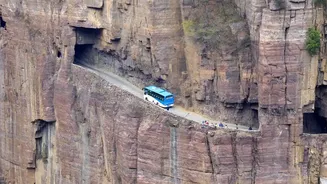
Navigating winding ghat roads in the rain demands your full attention. Reduce your speed significantly; wet roads increase braking distances and the risk of skidding. Maintain a greater distance from the vehicle in front of you. Always drive with your low-beam headlights on, even during the day, to improve your visibility and ensure others can see you. Avoid sudden acceleration, braking, or sharp turns, as these can cause you to lose traction. Be extremely cautious when driving through waterlogged areas, as the water can hide deep potholes or damage. Most importantly, never attempt to cross a road where mud or water is flowing; the force can be deceptively strong, and conditions can worsen in seconds.
What to Do If Caught Near a Landslide
If you are in the path of a landslide, you must act immediately. Move away from the path of the debris as quickly as possible, ideally moving uphill. Avoid river valleys and low-lying areas, as they can quickly fill with debris. If you are in a car, do not try to outrun a fast-moving slide. If it is safe to do so, abandon the vehicle and move to higher ground. If escape is not possible, curl into a tight ball and protect your head with your arms and hands. After a slide, do not return to the area until authorities declare it safe, as the initial slide can destabilise the area and lead to further slides.