



The Number We All Chase
Walk down any supermarket aisle and you’ll see it: bold claims of “High Protein” on everything from cereals and snack bars to yoghurts and drinks. As consumers, we’ve been trained to look for that number, assuming that higher is always better. A product
with 20 grams of protein seems inherently superior to one with 10. This figure on the label represents the total raw weight of protein in a serving. But this simple gram count is just the beginning of the story and can often be a deceptive measure of a food's true nutritional benefit.
Meet the Building Blocks: Amino Acids
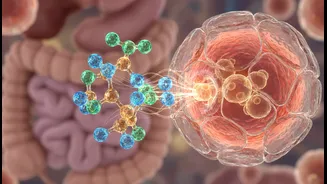
To understand protein quality, we have to talk about amino acids. Think of them as the essential building blocks that make up a protein. There are 20 different amino acids, but nine of them are considered “essential.” Our bodies cannot produce these nine on their own, so we must get them from the food we eat. These essential amino acids are crucial for countless bodily functions, including building and repairing muscle, supporting immune responses, and producing hormones. The specific combination and amount of these essential amino acids in a food determine its protein quality.
Complete vs. Incomplete Proteins
This brings us to the concepts of “complete” and “incomplete” proteins. A complete protein contains all nine essential amino acids in adequate amounts. Animal-based foods like meat, fish, eggs, and dairy products are classic examples of complete proteins. Some plant-based foods, such as soy, quinoa, and chia seeds, are also complete proteins. In contrast, incomplete proteins are missing or are low in one or more of the essential amino acids. Most plant-based foods, like beans, lentils, nuts, and whole grains, fall into this category. This doesn't make them inferior, but it does mean that we need to be a bit more strategic about how we eat them.
The Importance of Combining Plant Proteins
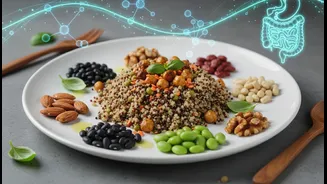
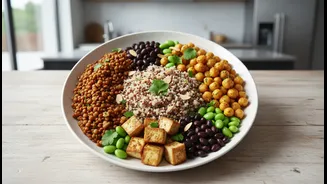
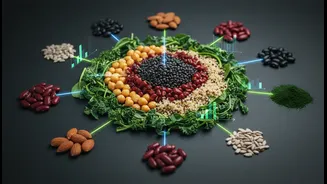
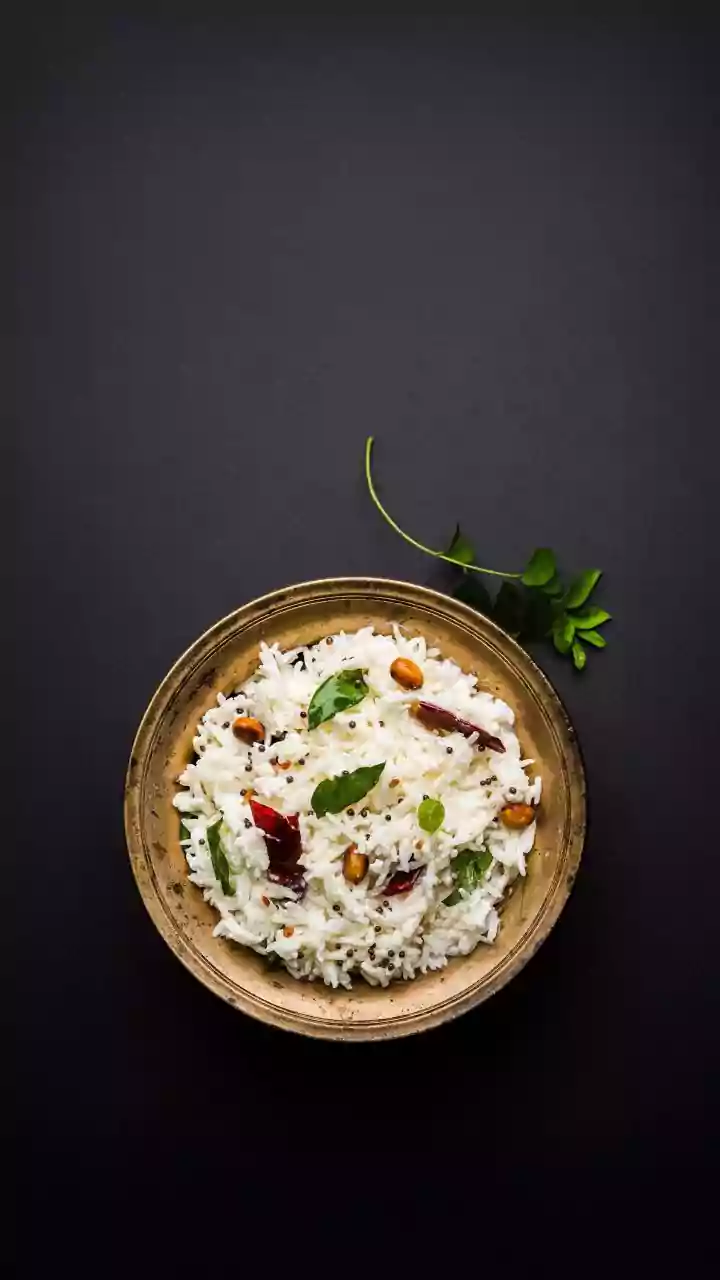
For those following a vegetarian or vegan diet, understanding protein combining is key. By pairing different incomplete proteins, you can create a meal that provides all nine essential amino acids. It’s a concept called protein complementation. A classic example is rice and beans; rice is low in the amino acid lysine, while beans are high in it. Together, they form a complete protein profile. Other powerful pairings include hummus and pita bread, peanut butter on whole-grain toast, or lentil soup with a side of whole-wheat bread. The good news is that you don’t necessarily need to combine them in the same meal, as your body can pool amino acids from foods eaten throughout the day to create complete proteins.
Beyond the Grams: Bioavailability Matters
Here’s the final and most crucial piece of the puzzle: absorption, also known as bioavailability. Protein bioavailability refers to how effectively your body can digest, absorb, and actually use the amino acids from the protein you consume. A protein source might be high in total grams, but if your body can't break it down and absorb the amino acids efficiently, much of that protein goes to waste. Animal proteins generally have a higher bioavailability than plant proteins, partly because some plant foods contain compounds that can slightly inhibit digestion. This usability is scientifically measured using scoring systems like PDCAAS (Protein Digestibility-Corrected Amino Acid Score) or DIAAS (Digestible Indispensable Amino Acid Score), which assess a protein's quality based on both its amino acid content and its digestibility.
Making Smarter Choices
So, what does this all mean for your grocery shopping? Don’t get completely fooled by the raw protein number on the front of the package. While it’s a starting point, it’s not the definitive measure of quality. Instead of fixating on a single number, focus on eating a wide variety of protein sources throughout the day. If you eat animal products, you’re likely getting plenty of high-quality, bioavailable protein. If you follow a more plant-based diet, prioritize variety and protein-combining to ensure you’re covering all your amino acid needs. Look at the overall ingredient list; whole foods like eggs, lentils, nuts, and quinoa will always serve you better than highly processed products with an inflated protein claim.