





A New Gateway in the Skies
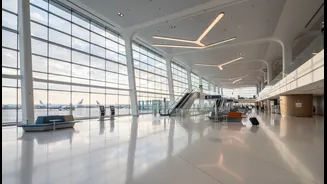
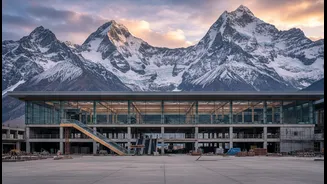
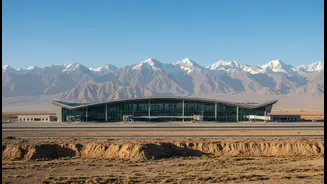
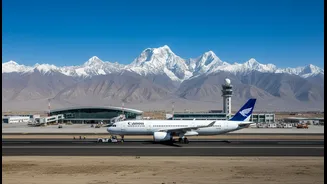
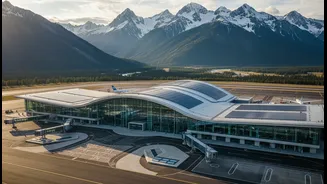
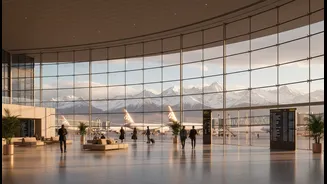
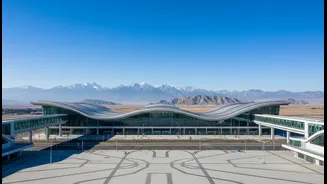
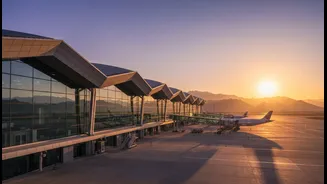
The first sign of this new era is visible right as you land. The Kushok Bakula Rimpochee Airport in Leh is undergoing a major expansion. A new state-of-the-art integrated terminal building is nearing completion, designed to handle a far greater influx
of visitors. As of early July 2026, the project was reported to be 83% complete. Once fully operational, the new terminal is projected to handle up to 3.5 million passengers annually, a huge leap from its previous capacity. It will also triple the airport's flight handling capabilities from 18 to 54 flights per day, significantly reducing the bottlenecks that have long defined travel to this high-altitude region. The new building incorporates sustainable features like geothermal technology for heating and a large rooftop solar power system, blending modern convenience with environmental consciousness.
Conquering the Mighty Zoji La
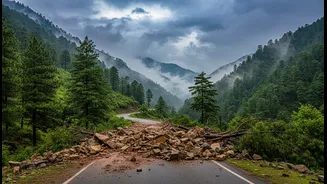
For decades, the formidable Zoji La pass has been the gatekeeper to Ladakh, a snow-bound barrier that cuts off road access from Srinagar for nearly half the year. That is about to change with the construction of the Zojila Tunnel, an engineering marvel. This nearly 14-kilometre, all-weather tunnel will bypass the treacherous pass, reducing the three-hour journey across it to a mere 15-20 minutes. In a major milestone, the final breakthrough blast for the tunnel's excavation was completed in June 2026. While the full project is expected to be completed by 2028, this development brings year-round connectivity between Kashmir and Ladakh a giant step closer to reality. This will not only be a game-changer for tourists but also for the local population and for the strategic movement of troops and supplies.
The BRO's Road to Progress
Beyond the airport and the Zoji La tunnel, the Border Roads Organisation (BRO) is weaving a web of new roads, bridges, and tunnels across Ladakh's challenging terrain. In March 2024, the BRO connected the strategic Nimmu-Padam-Darcha road, establishing a crucial third axis connecting Ladakh to the hinterland, alongside the Manali-Leh and Srinagar-Leh highways. The BRO has also made headlines for building some of the world's highest motorable roads here, including the road over Umling La pass. More recently, in October 2025, it set a new record with the road over Mig La at an altitude of 19,400 feet. These projects, executed under initiatives like Project Himank and Project Vijayak, are opening up previously remote areas like the Zanskar Valley and regions near the Line of Actual Control (LAC), enhancing both tourism potential and national security.
Easing Congestion in Leh Town
The boom in tourism and strategic movement has led to increased traffic and congestion within Leh's narrow roads. To address this, the central government has just approved the construction of the Leh Bypass (Southern Alignment) in July 2026. This project, costing nearly ₹991 crore, will create a new two-lane highway that diverts through-traffic away from the city centre. The bypass will connect National Highway 1 near Phyang with National Highway 3 at Upshi on the Leh-Manali route. Officials believe this will not only ease the daily commute for residents but also provide a smoother, safer experience for tourists and commercial vehicles, supporting the region's long-term economic growth.
The Road Ahead: Balancing Progress and Preservation
The unprecedented infrastructure push promises a more accessible and economically vibrant Ladakh. Recent data already shows a surge in tourism, with visitor arrivals in June 2026 up by over 43% compared to the previous year. However, this rapid development brings its own set of challenges. Environmental groups and some locals have raised concerns about the potential for over-tourism, strain on fragile resources like water, and the impact on the region's unique socio-cultural fabric. The very remoteness that once preserved Ladakh's delicate ecosystem is being systematically erased. The crucial task ahead will be to manage this growth sustainably, ensuring that the infrastructure upgrades serve the region without overwhelming it. The 'Land of High Passes' is becoming easier to reach, but the responsibility to travel consciously and protect its stark beauty is now more important than ever.