









More Than Just Your TV Dish
When you hear ‘satellite’, you might think of television channels or weather maps. But ‘satellite learning’ is about turning the sky into a massive, invisible data cable for education. In essence, it uses satellite technology to broadcast live, interactive
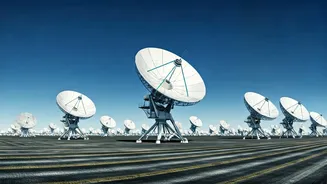
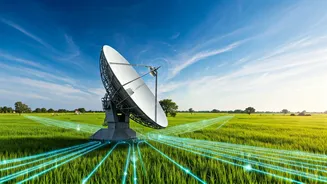
classes from a central studio to countless remote locations simultaneously. Think of a top-tier instructor in Mumbai teaching a complex data science module to professionals in Lucknow, Nagpur, and a small town in Kerala, all in real-time. This system uses Very Small Aperture Terminals (VSATs) – a fancy term for a satellite dish setup – to receive the broadcast, effectively creating a virtual classroom anywhere with a clear view of the sky. The key advantage is its ability to bypass the unreliability of terrestrial broadband, which remains a significant hurdle in many parts of the country.
The Push for Deeper Reach
So, why is this happening now? The answer lies in India's dual push for economic growth and digital inclusion. As the country aims to significantly expand its economy, the demand for a highly skilled workforce is exploding. However, the best trainers and educational institutions are often concentrated in a few metropolitan hubs. This creates a geographical barrier to opportunity. Satellite learning offers a powerful way to democratize access to high-quality professional development. Companies like Hughes Communications India and Viasat, in partnership with entities like ISRO and BSNL, are leading this charge. They are creating networks that connect corporate training centres and educational institutes to a wider, national audience, offering courses in everything from civil services and chartered accountancy to advanced medical and automobile training.
How It Actually Works
The mechanics are surprisingly straightforward. A subject matter expert stands in a studio classroom, delivering a lecture that is beamed up to a satellite. That satellite then relays the signal down to hundreds or even thousands of connected classrooms across the country. Each remote classroom is equipped with a dish, a receiver, and a large screen. Crucially, this is not a one-way street. Modern satellite learning platforms are interactive, allowing students in remote locations to ask questions and engage with the instructor via a microphone, creating a two-way communication link. This live, interactive element is what separates it from simply watching recorded videos online. It simulates a real classroom environment, fostering engagement and better learning outcomes without depending on a stable internet connection on the ground.
The Upskilling Revolution Goes Rural
The implications for professional upskilling are profound. An engineer in a tier-2 city can now access the same specialised training as their counterpart in Bengaluru. A bank employee in a regional branch can participate in the same compliance workshop as those in the corporate headquarters. Educational platforms like Byju's-owned Aakash have partnered with satellite providers to connect their coaching centres, ensuring a uniform standard of teaching across all locations. This technology promises to level the playing field, enabling talent from every corner of the country to compete on an equal footing. It's about moving expertise and opportunity to where the people are, rather than forcing people to move to where the expertise is.
Reality Check: Hurdles Remain
Despite its immense potential, satellite learning is not without its challenges. The initial setup cost for equipment can be a barrier. Furthermore, the success of these programmes depends on more than just technology; it requires on-the-ground support for maintenance and troubleshooting. Historical attempts at satellite-based education have sometimes faltered due to a lack of sustained resources and trained personnel to manage the hardware. There are also larger strategic questions, particularly around the security of using international satellite networks for widespread educational purposes. However, with the advent of more powerful High-Throughput Satellites (HTS) and increasing private sector participation, the technology is becoming more robust and cost-effective, addressing many of these past concerns.