

A Success Story with a Critical Flaw
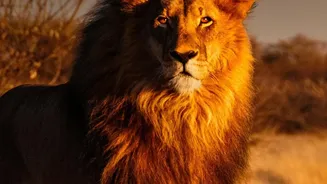
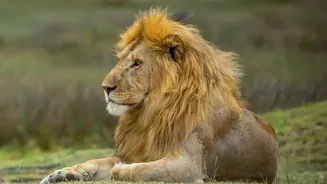
The story of the Asiatic lion is one of remarkable recovery. From a population of just a few dozen in the early 20th century, their numbers have grown to nearly 900 today, a testament to decades of conservation work in Gujarat's Gir Forest. However, this
success carries a significant risk: the entire global wild population of these majestic cats lives in this single landscape. This concentration makes the species dangerously vulnerable to catastrophic events like disease outbreaks or natural disasters. A 2018 Canine Distemper Virus outbreak that killed over 20 lions served as a stark warning of this precarious situation. Scientists and even the Supreme Court have long argued that establishing a second, geographically separate population is not just a good idea, but an essential insurance policy for the species' long-term survival.
Enter Barda: A Historic Home Reawakens
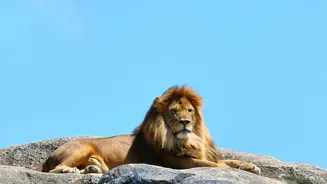
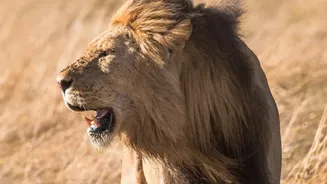
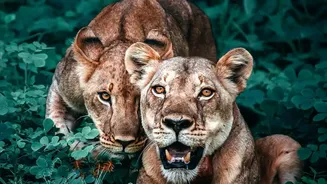
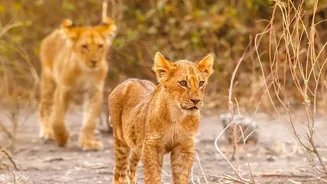
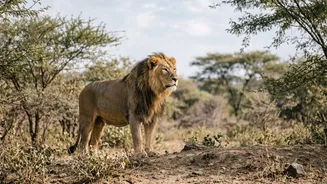
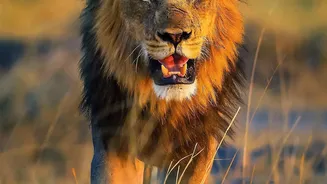
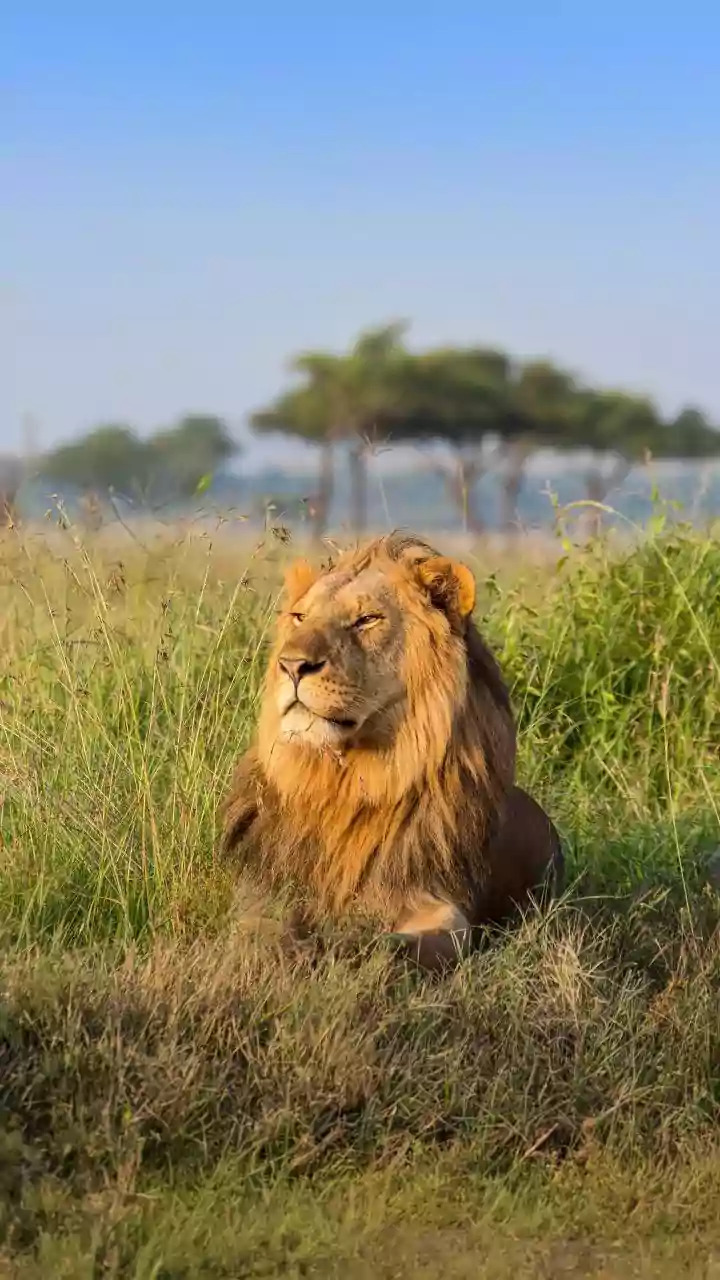
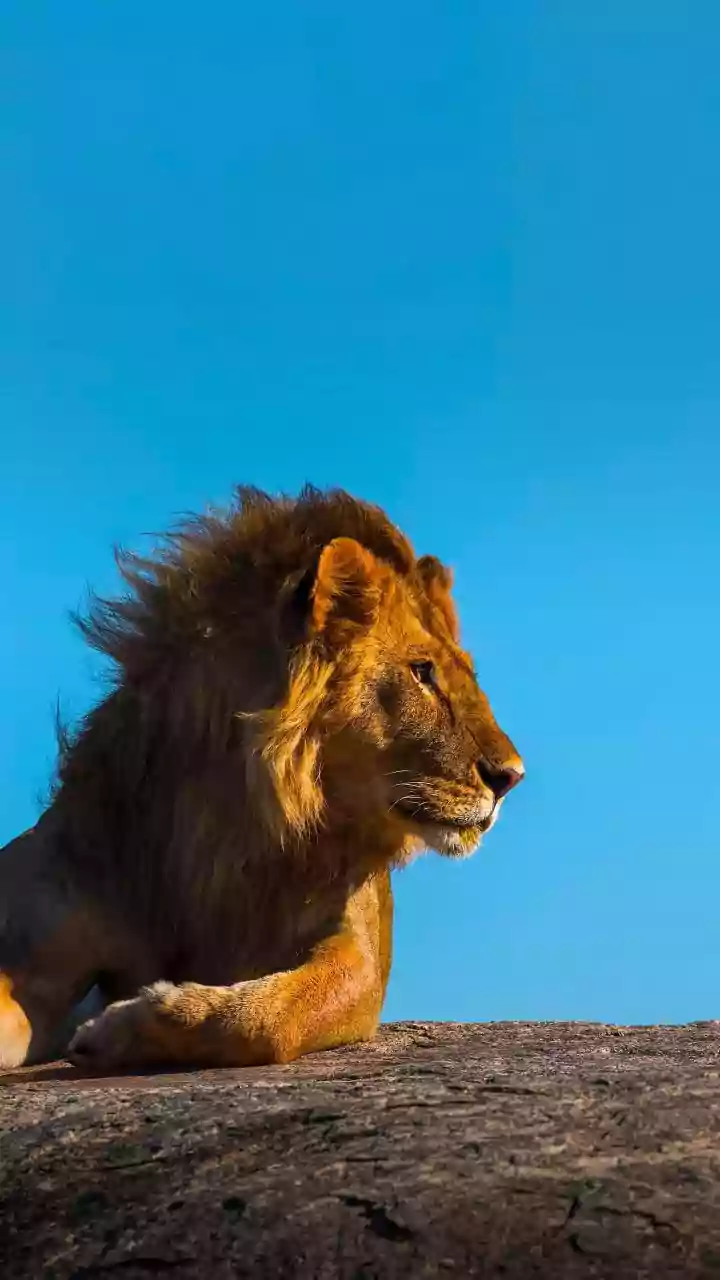
About 100 kilometres from Gir lies the Barda Wildlife Sanctuary, a 192-square-kilometre expanse of hilly forests and grasslands. Historically, lions roamed this area until they disappeared around 1879. Now, after nearly 144 years, they have returned. The process began naturally in January 2023, when a lone male lion dispersed from Gir and walked into Barda on its own. Recognising the opportunity, the Gujarat Forest Department then augmented this natural colonisation by introducing five female lions. As of 2026, a small but growing population of 17 lions, including cubs born within the sanctuary, now calls Barda home, making it a crucial site for the future of the species under 'Project Lion'.
The Scientific Litmus Test
The return of lions to Barda has prompted intense scientific scrutiny to determine if the sanctuary can truly sustain a viable population. A recent study, detailed in the journal PLOS One, involved radio-collaring six of the pioneering lions to track their every move. Researchers collected over 169,000 GPS locations between 2023 and 2025 to understand their home ranges, habitat preferences, and social structures. Key questions guide this assessment: Is there enough food? Is there enough water and cover? And can lions and humans coexist? The analysis looks at factors like terrain, vegetation, water sources, and distance from human disturbances to create a habitat suitability model.
Prey, People, and Potential Problems
A crucial part of the assessment is the prey base. Initial studies show that the prey availability in Barda is currently low compared to Gir. The lions' diet in Barda has consisted mainly of wild pigs and, concerningly, domestic cattle, which make up 17% of their food. This highlights the potential for human-wildlife conflict. To address this, authorities have been actively working to increase the wild prey population. Since 2007, hundreds of spotted deer (chital) and sambar have been translocated from Gir and breeding centres into Barda to build a more robust and natural food source for the lions. The success of these prey augmentation efforts is vital for reducing the lions' reliance on livestock and ensuring peaceful coexistence with the pastoral communities living near the sanctuary.
What Makes a Habitat 'Suitable'?
Researchers are finding that the lions in Barda are already making strategic choices. The GPS tracking revealed they prefer mixed forests and rugged terrain, which offer good cover for stalking prey and help them avoid human settlements. The average home range for a lion in Barda was found to be around 70 square kilometres. While the initial findings from the radio-collaring study are promising and suggest Barda offers a suitable habitat, scientists caution that these conclusions are based on a small number of lions over a relatively short period. Long-term success will depend on continued proactive management, including habitat restoration, ensuring water availability through its two rivers, and ongoing efforts to bolster the wild prey base.