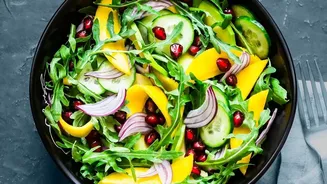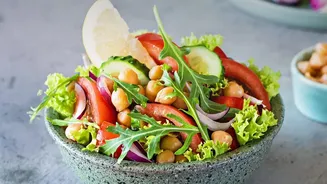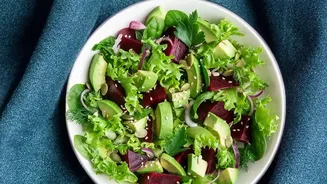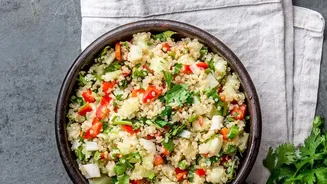



The Hydrating Crunch of Cucumber
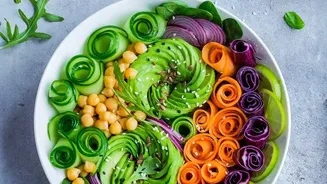
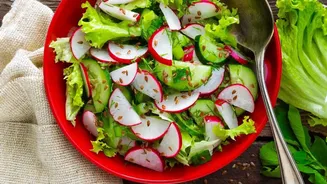
Often overlooked as just a crunchy, watery vegetable, cucumber is a fantastic foundation for any health-focused salad. Its most obvious benefit is hydration. Composed of about 96% water, cucumbers are an excellent way to supplement your daily fluid intake,
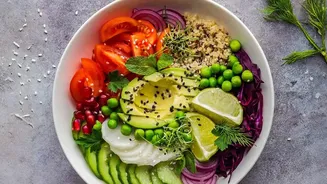
which is crucial for everything from skin health to organ function. But hydration is just the beginning. Cucumbers are low in calories but surprisingly nutrient-dense, offering a good dose of Vitamin K, which is essential for bone health and proper blood clotting. They also contain antioxidants that help combat cellular damage. The fibre in cucumbers, especially when you eat the skin, aids in digestion and helps you feel fuller for longer, which can support weight management goals. Adding cucumber to your daily bowl provides a refreshing crunch while delivering these subtle but significant health perks.
Beetroot: The Heart-Healthy Root
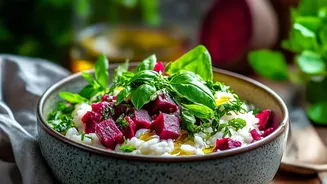
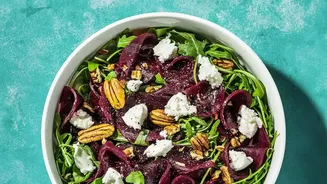
With its vibrant colour and earthy flavour, beetroot is a nutritional heavyweight. One of its most celebrated benefits is its potential to support heart health. Beets are rich in dietary nitrates, which the body converts into nitric oxide. This compound helps relax and widen blood vessels, promoting healthy blood flow and potentially lowering blood pressure. For this reason, some athletes even use beet juice to enhance performance and stamina. Beyond heart health, beetroot is a great source of fibre, folate, potassium, and powerful antioxidants called betalains, which give the vegetable its deep red hue. These compounds have anti-inflammatory properties that help protect your cells from damage. Whether you add it roasted, steamed, or grated raw, beetroot brings a wealth of benefits to your daily salad.
Sprouts: Tiny Plants with Big Benefits
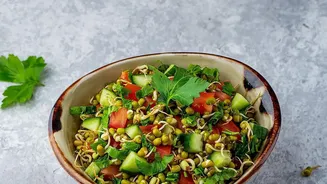
Sprouts are essentially young, germinated seeds of vegetables, grains, and beans. Incorporating them into your salad is like adding a dose of living energy. The sprouting process significantly boosts the nutritional profile of the plant, making sprouts richer in protein, folate, magnesium, and vitamins C and K than their unsprouted counterparts. They are particularly valued for their high concentration of enzymes, which can aid digestion by helping your body break down food more effectively. The high fibre content in sprouts also contributes to a healthy gut, promoting regular bowel movements. Some studies suggest that sprouts may also play a role in heart health by helping to manage cholesterol levels. From crunchy lentil sprouts to peppery broccoli sprouts, they add texture and a concentrated burst of nutrients that elevate any salad bowl.
Building a Better Salad Bowl
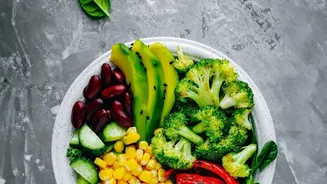
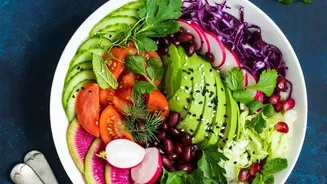
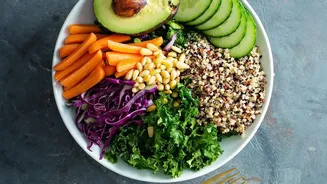
While cucumber, beetroot, and sprouts are a powerful trio, building a truly balanced and satisfying salad involves a few more elements. Start with a base of dark leafy greens like spinach or kale, which are packed with vitamins A, C, and K. To make your salad a complete meal, ensure you add a source of lean protein, such as grilled chicken, chickpeas, or paneer. Healthy fats are also crucial for absorbing certain vitamins and providing lasting energy; think avocado, nuts, or seeds. Finally, be mindful of your dressing. A simple vinaigrette made with olive oil and lemon juice or vinegar is a much healthier choice than creamy, sugar-laden commercial dressings. By combining these components, your daily salad becomes not just a healthy habit, but a delicious and fulfilling meal that you can look forward to every day.