






The crisp winter air brings a welcome change, and with it, our local sabzi mandis overflow with colour. But turning that bounty of fresh carrots, leafy greens, and peas into daily meals can feel repetitive. Here’s a simple way to rethink your cooking.
Embrace the 'Veggie-First' Mindset
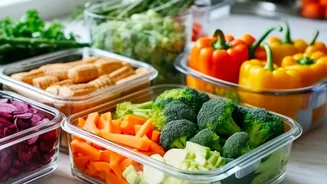
The secret to breaking out of a cooking rut is to change how you start. Instead of asking 'What recipe should I make for dinner?', ask 'What vegetable looks best today?'. This simple shift puts seasonal produce at the centre of your plate. In India, the winter months bring an abundance of incredible produce. Markets are filled with vibrant carrots, sweet green peas (matar), radishes (mooli), and a wide variety of leafy greens like spinach (palak), fenugreek (methi), and mustard greens (sarson). By starting with the vegetable, you ensure your meals are fresh, flavourful, and often more affordable, as produce is cheapest when it is in season. This approach isn't about ditching your favourite recipes, but about adapting them to what's fresh right now. It’s a flexible way of cooking that makes meal planning feel more intuitive and less like a chore.
The Five-Part Meal Formula
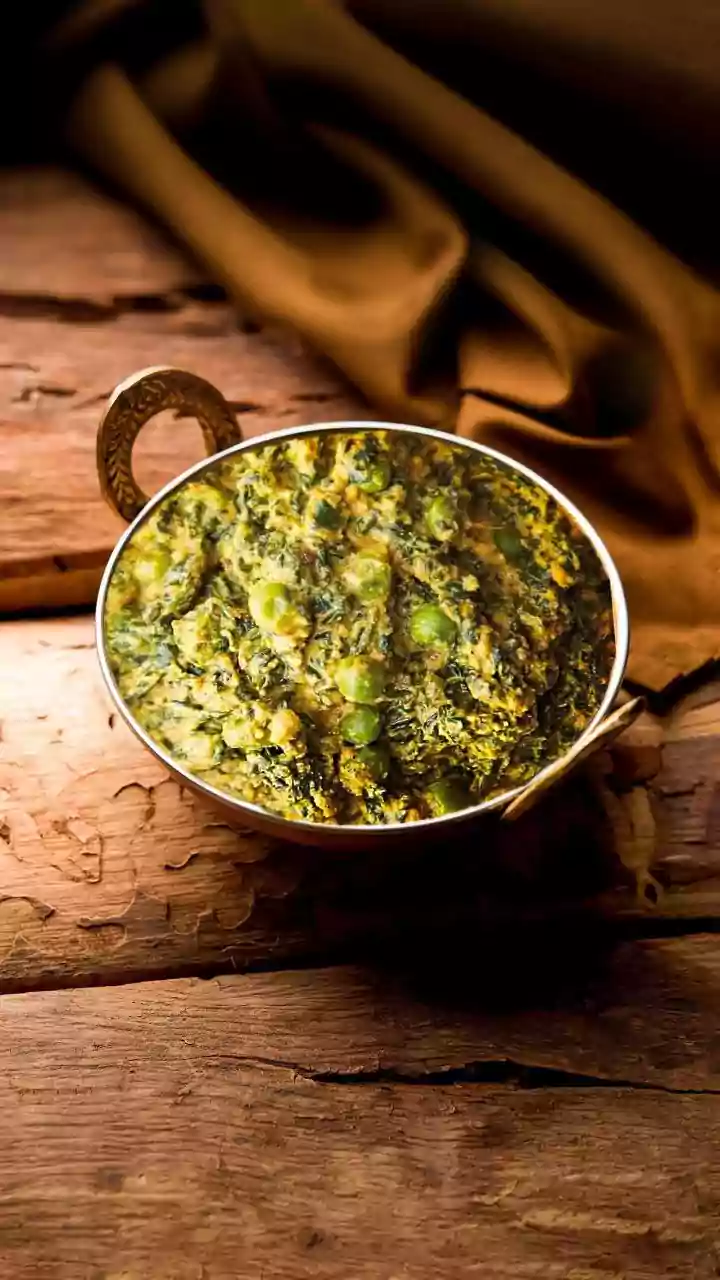
Once you've chosen your vegetable, building a balanced and satisfying meal is easy with a simple formula. Think of it as a template for a classic Indian thali that you can adapt endlessly. Each meal should have these five components: 1. The Star Vegetable: This is the hero of your meal. You can prepare it as a dry stir-fry (sabzi), a gravy-based curry, or roast it. For example, fresh fenugreek leaves can become Aloo Methi, or cauliflower can be turned into Bharwan Gobhi. 2. The Protein Partner: Every meal needs a protein to be truly satisfying. Pair your vegetable with a simple dal, a bowl of chickpeas (chole), paneer, or a serving of curd. A classic combination like Palak Paneer or a simple moong dal served alongside your sabzi works perfectly. 3. The Grain Foundation: This is the canvas for your meal. Depending on your preference and region, this could be fluffy rotis, parathas, bajra khichdi for a heartier winter meal, or a simple bowl of steamed rice. 4. The Flavour Boost: This is what makes your meal sing. It can be a simple 'tadka' of garlic and chillies poured over your dal, a fresh green chutney, a sprinkle of garam masala, or a tangy pickle on the side. 5. The Cooling Element: To balance the spices and flavours, add a small side of raita (yoghurt dip), a simple kachumber salad (chopped onions, tomatoes, and cucumber), or just a few slices of fresh onion.
Putting It All Together: A Winter Example
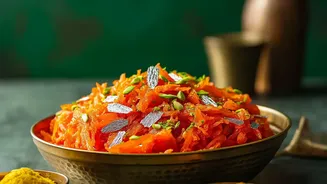
Let’s see how the formula works with a common winter vegetable: carrots (gajar). You've just bought a fresh, bright bunch from the market. Star Vegetable: You decide to make Gajar Matar Sabzi, a simple and quick stir-fry with carrots and green peas. Protein Partner: A light and wholesome Toor Dal is the perfect companion. Grain Foundation: You opt for warm, freshly made phulkas (rotis). Flavour Boost: A simple tempering of cumin and asafoetida (hing) for the dal and a side of spicy mango pickle. * Cooling Element: A bowl of plain, homemade curd to round off the meal. In just a few steps, you've built a complete, nutritious, and seasonal meal without relying on a complicated recipe. The same logic can be applied to mustard greens to create Sarson Ka Saag served with Makki Ki Roti, making for a quintessential North Indian winter feast.
Beyond the Everyday Thali
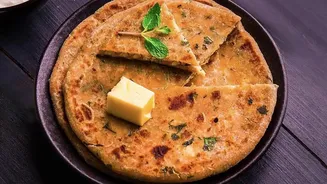
This framework is just the beginning. Seasonal vegetables can be the star in many other formats. Think beyond the sabzi-dal-roti combination. Winter is the perfect time for hearty, one-pot meals. Use a mix of seasonal vegetables like cauliflower, peas, carrots, and beans to make a flavourful vegetable pulao or a nourishing khichdi. You can also stuff seasonal vegetables into parathas for a delicious breakfast or lunchbox meal. Grated radish (mooli paratha) or fenugreek leaves (methi paratha) are classic winter choices. Soups are another excellent way to use up winter produce. A simple Dal Palak Ka Shorba (spinach and lentil soup) or a creamy carrot soup can be a light and warming dinner.