




What Exactly Is the Summer Solstice?
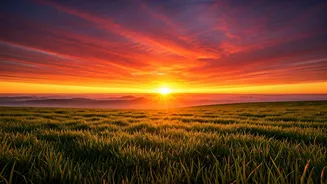
The summer solstice is an astronomical event that marks the official start of summer in the Northern Hemisphere. In simple terms, it's the day when the sun reaches its highest and northernmost point in the sky. This results in the longest period of daylight
and the shortest night of the year. For us in India, and everywhere else north of the equator, this day is June 21. The word 'solstice' itself comes from the Latin words 'sol' (sun) and 'stitium' (to stand still). On this day, the sun appears to 'stand still' at its highest point before reversing its direction and beginning its slow journey south again, leading to gradually shorter days.
The Science Behind the Longest Day
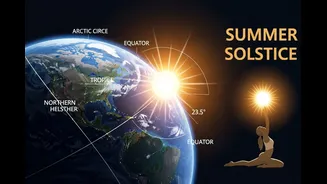
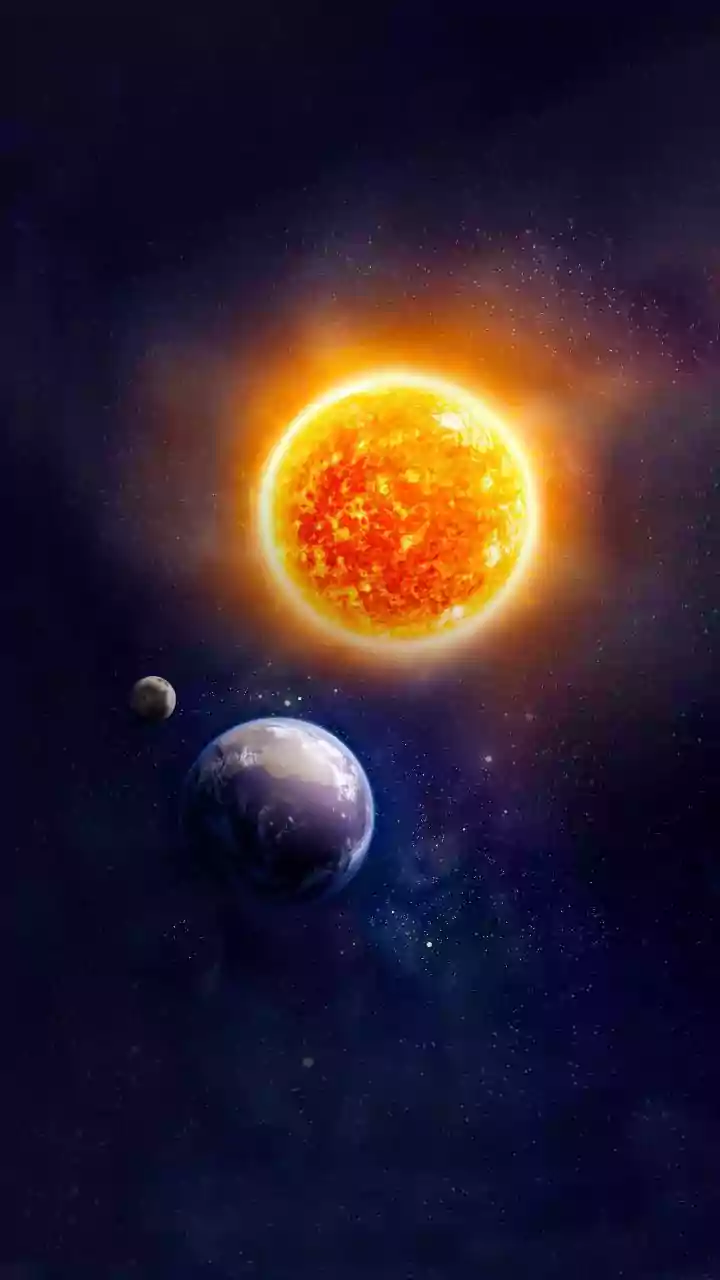
It’s not because the Earth is closer to the sun—in fact, we're actually farther from the sun during summer in the Northern Hemisphere. The magic is all in the tilt. The Earth spins on an axis that is tilted at approximately 23.5 degrees. As our planet orbits the sun throughout the year, this tilt means that different parts of the globe receive more direct sunlight than others. During the June solstice, the North Pole is tilted most directly towards the sun. This bathes the entire Northern Hemisphere, including India, in more direct rays for a longer period of time, giving us our longest day. Meanwhile, the Southern Hemisphere experiences its winter solstice, with the shortest day of the year.
How Much Daylight Will India See?
The exact amount of 'extra' daylight you get depends on how far north you live. The further you are from the equator, the longer the day will be. For instance, on June 21, Delhi will experience nearly 14 hours of daylight. Mumbai will have a little over 13 hours, while Chennai, being closer to the equator, will see about 12 hours and 50 minutes. Compare that to Kolkata in the east, which will enjoy around 13 hours and 45 minutes of sun. While these might seem like small differences, they are a direct result of our country's vast geography. People in cities like Leh in Ladakh will experience an even longer day, clocking in well over 14 hours of daylight.
Why Isn't It the Hottest Day?
This is a common question. If we’re getting the most direct sunlight on June 21, shouldn’t it be the hottest day of the year? Not necessarily. This phenomenon is called seasonal lag. The Earth's oceans and landmasses take time to absorb the sun's energy and then radiate it back out as heat. Think of it like boiling a pot of water; it doesn't reach its maximum temperature the moment you turn the stove to high. Similarly, the planet continues to absorb more heat than it releases for several weeks after the solstice. This is why the hottest days of summer in India typically occur in July or even August, long after the days have already started getting shorter.
Cultural Significance in India
The summer solstice has been a significant event across cultures for millennia, associated with fertility, renewal, and harvest. In India, the day holds special modern and ancient significance. In 2015, the United Nations declared June 21 as International Day of Yoga, a proposal initiated by India. The date was chosen specifically because it is the longest day of the year in the Northern Hemisphere and shares a special significance in many parts of the world. The solstice, known as 'Uttarayan' in some traditions, marks the sun's northward journey, a period considered auspicious. Many communities participate in spiritual practices, festivals, and gatherings to honour the sun and the life-giving energy it provides.