






The Familiar Story of a Ruined Hill-Town Holiday
For many Indians, the annual summer exodus to popular hill stations like Shimla, Manali, and Nainital has become a predictable ordeal. What starts as a plan to escape the city's scorching heat frequently ends in frustration. The very popularity of these
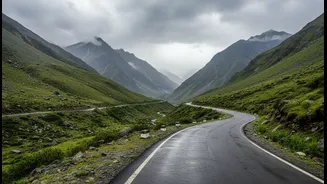
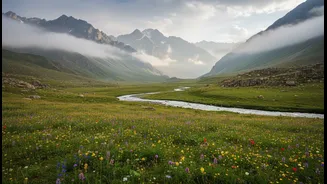
destinations is now their biggest drawback. Reports and social media are rife with images of bumper-to-bumper traffic snaking for kilometres on narrow mountain roads, turning a few hours' drive into a day-long nightmare. This massive influx, especially during school vacations, overwhelms the local infrastructure. Once you finally arrive, you’re often greeted by overcrowded town centres, fully booked hotels, and strained public amenities. Worse still is the arrival of the monsoon in July and August. Heavy rains bring the very real threat of landslides, flash floods, and road blockages that can leave travellers stranded for days, turning a planned vacation into a high-risk situation.
Ladakh's Geographic Secret: The Rain Shadow
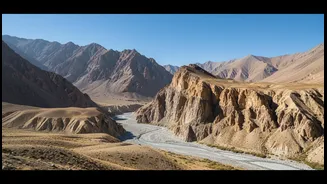
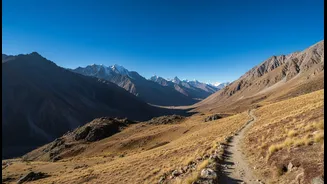
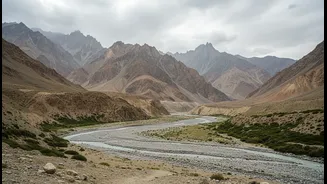
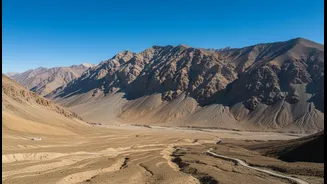
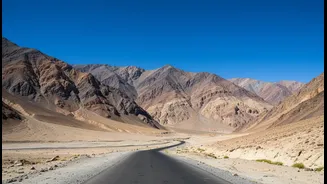
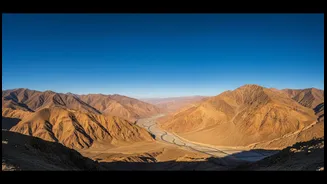
This is where Ladakh offers a completely different proposition. The key to its reliability as a summer destination lies in its unique geography. Ladakh is a high-altitude cold desert located in the rain shadow of the great Himalayan range. When the moisture-laden monsoon clouds travel up from the Indian Ocean, the towering Himalayan peaks act as a colossal barrier, forcing the clouds to release their rain on the southern slopes. By the time the winds cross over the mountains to Ladakh, they have lost almost all their moisture. The result is that while the rest of the country's hill stations are being drenched by the monsoon, Ladakh remains overwhelmingly dry, sunny, and open for business. This geographical advantage means a trip planned for July or August—peak monsoon season elsewhere—is not just possible but ideal in Ladakh.
What an 'Uninterrupted' Vacation Actually Looks Like
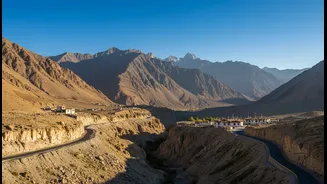
Choosing Ladakh means swapping uncertainty for predictability. An uninterrupted vacation here means all major roads, high-altitude passes, and iconic attractions are reliably open and accessible from June to September. You can plan a road trip to the stunning Pangong Tso or the otherworldly Nubra Valley without the looming fear of a landslide blocking your route. Summer weather is characterised by pleasant daytime temperatures, typically ranging from 15°C to 25°C, under clear blue skies, perfect for sightseeing, trekking, and photography. This stability allows you to fully engage in adventure activities like white-water rafting or simply soak in the dramatic landscapes. It's also the season for vibrant cultural festivals, like the famous Hemis Tsechu in July, offering a deep dive into the local traditions without weather-related cancellations.
Beyond Weather: Space, Scenery, and a Slower Pace
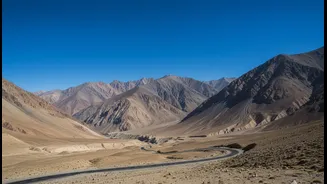
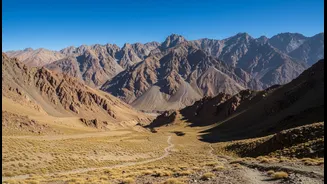
The benefits of choosing Ladakh extend beyond just avoiding the rain. The sheer scale of the Ladakhi landscape means it can absorb visitors in a way smaller hill towns cannot. While Leh town and popular spots can get busy, the region's vastness ensures you can easily find solitude. The feeling of being 'overcrowded' is rare once you are on the open road, surrounded by endless, starkly beautiful vistas. This encourages a different kind of travel—one that is slower, more immersive, and focused on the journey itself. However, it's crucial to acknowledge the one predictable challenge: altitude. Leh is situated at over 11,000 feet, and altitude sickness is a real risk. Unlike a sudden landslide, this is a foreseeable issue that can be managed with proper planning. Experts recommend dedicating the first 48 hours in Leh to acclimatisation, allowing your body to adjust before venturing to higher altitudes. This planned pause is a small price to pay for the overall reliability of the trip.