






More Than Just a Number
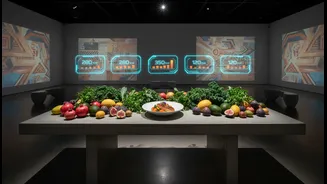
First, let's be clear: this isn't a simple display of food with calorie counts. The 'Calorie' exhibition, which runs until July 2026, uses the concept of a calorie as a lens to explore our entire relationship with food. It’s an art-led journey into where
our food comes from, who gets to eat it, and its impact on our culture and environment. Exhibits include thought-provoking installations like ragi seedlings growing from discarded e-waste, a commentary on Bengaluru's shift from farmland to a tech hub, and explorations of food history and sustainability. The purpose is not to make you count every morsel, but to make you question the complex systems behind your plate.
Why Calories Aren't the Whole Story
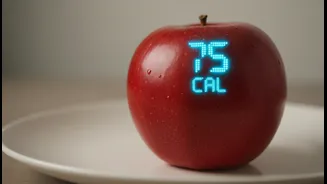
The exhibition's nuanced approach is smart, because a calorie-obsessed view of nutrition is fundamentally flawed. A calorie is a unit of energy, but it tells you nothing about food quality. For instance, 300 calories from a packet of chips and 300 calories from a bowl of dal, vegetables, and rice have vastly different effects on your body. The latter provides protein for muscle, fibre for digestion, and essential vitamins and minerals that support overall health, keeping you fuller for longer. A diet focused only on hitting a low-calorie target can easily become deficient in vital nutrients, leading to poor energy and health outcomes, even if the numbers seem right.
The Context of the Indian Plate
This idea of looking beyond the numbers is especially crucial in an Indian context. Our meals are rarely about single ingredients. Think of a traditional thali: it’s a balanced ecosystem on a plate, combining carbohydrates (roti, rice), protein (dal, curd), fats, vitamins, and minerals (vegetable preparations, salad). Judging a single component, like a high-calorie gulab jamun, in isolation misses the point of the meal's overall balance. Furthermore, the calorie count of Indian dishes varies dramatically with preparation. A simple dal is very different from dal makhani rich with butter and cream. The oil used for a tadka, the amount of ghee on a roti, or whether a vegetable is stir-fried or in a creamy gravy all change the equation significantly.
What the Exhibition Really Asks
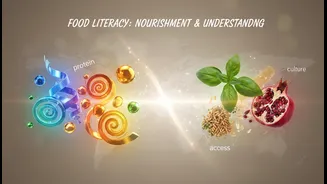
The 'Calorie' exhibition encourages you to ask bigger, more important questions. Instead of 'How many calories are in this samosa?', it prompts you to wonder: 'Why are some foods abundant and others scarce?', 'What is the journey of this grain from farm to plate?', and 'How can we build a food future that is just and sustainable?'. By showcasing edible insects, forgotten grain varieties, and artistic takes on food waste, the gallery pushes visitors to think critically about food security, agricultural practices, and consumer choices. It's an invitation to develop food intelligence, not food anxiety.
A Visitor's Guide to a Smarter View
So, how should you approach your visit? Go with curiosity, not a calculator. For students, it’s a fantastic real-world lesson in biology, ecology, and social studies all rolled into one. For families, it's a powerful conversation starter. Talk about the art: What does it make you feel about the food you eat every day? Discuss the ideas: Could your family try incorporating more millets? Could you do more to reduce food waste at home? Use the exhibition as a tool for awareness, not as a rulebook for restriction. The goal is not to leave fearing your favourite foods, but to leave with a newfound respect for them and a deeper understanding of the story they tell.