



From Hobby to Urban Movement
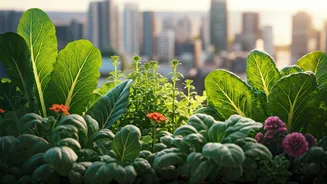
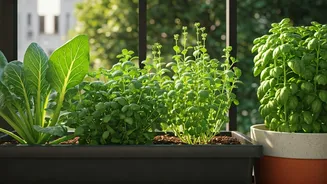
What once might have been a niche hobby for a few has blossomed into a full-fledged urban movement. Across India's metropolises, residents are transforming any available space—terraces, windowsills, forgotten community plots—into vibrant gardens. This
isn't just about aesthetics; it's a fundamental shift in how city dwellers interact with their environment. The pandemic acted as a powerful catalyst, forcing people indoors and reigniting a primal need to connect with nature. This newfound enthusiasm hasn't waned. Instead, it has grown into a resilient trend, supported by online communities, local workshops, and a growing awareness of the myriad benefits that a little patch of green can bring to a concrete-heavy life.
An Antidote to Urban Stress
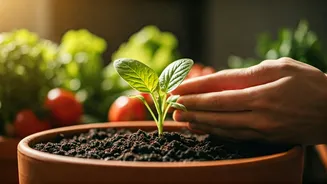
Life in the city is often synonymous with stress, noise, and a relentless pace. Urban gardening offers a powerful, accessible antidote. The simple act of tending to plants—watering, pruning, watching them grow—is a form of active meditation. Studies have consistently shown that gardening can reduce levels of cortisol, the stress hormone, while boosting feelings of calm and satisfaction. It provides a tangible sense of purpose and a welcome distraction from digital screens and deadlines. For many, their balcony garden or community plot is a personal sanctuary, a space to breathe deeply and reconnect with the simple, grounding rhythms of the natural world. In a world that demands constant productivity, nurturing a plant from seed to harvest is a deeply rewarding, low-pressure achievement.
Planting the Seeds of Community
Perhaps one of the most significant 'wins' for urban gardens is their ability to foster community. In apartment complexes, neighbours who may have only exchanged brief pleasantries are now bonding over shared gardening tips, swapping seeds, and admiring each other's produce. Community gardens take this a step further, transforming neglected public spaces into hubs of social interaction. These plots bring together people of all ages and backgrounds, united by a common goal. They become outdoor classrooms where children learn where food comes from and elders share traditional knowledge. This collaborative effort doesn't just yield vegetables; it cultivates friendships, strengthens social ties, and builds a sense of collective ownership and pride in the neighbourhood.
Greening the Concrete Jungle
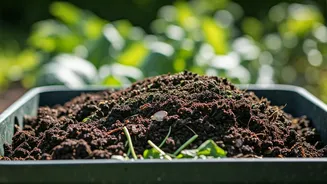
The impact of urban gardens extends far beyond the individual and the community; it benefits the entire city ecosystem. Plants are natural air purifiers, filtering pollutants and releasing clean oxygen. A collection of rooftop and balcony gardens can help mitigate the 'urban heat island' effect, where concrete and asphalt absorb and radiate heat, making cities significantly warmer than surrounding rural areas. These small green pockets also create vital habitats for urban wildlife, supporting populations of bees, butterflies, and birds that are essential for pollination and biodiversity. Furthermore, garden soil acts like a sponge, absorbing rainwater and reducing runoff, which can help ease the strain on overburdened city drainage systems during monsoons.
The Hyperlocal Harvest
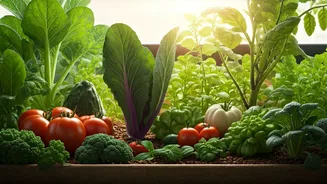
The joy of harvesting a tomato from your own balcony and adding it to your salad is unparalleled. This trend is also a small but meaningful step towards food sovereignty. Growing your own produce gives you complete control over what you eat, free from pesticides and long-distance transport. It drastically reduces 'food miles'—the distance food travels from farm to plate—which in turn lowers your carbon footprint. While a small terrace garden won't replace your weekly grocery run, it provides fresh, nutritious herbs, vegetables, and fruits that are packed with flavour. This connection to food production fosters a deeper appreciation for what we consume and highlights the challenges and rewards of agriculture, making us more conscious consumers.