
Machboos: The Celebratory Centrepiece
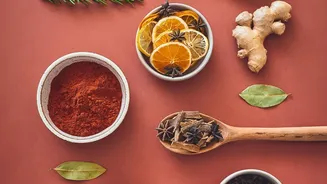
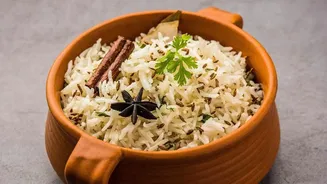
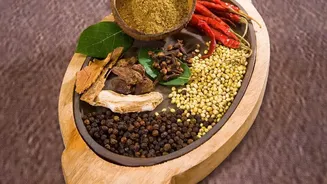
Often hailed as Qatar's national dish, Machboos is the undisputed star of any celebratory table. This aromatic, one-pot dish features slow-cooked rice and meat, traditionally lamb or chicken, infused with a symphony of spices. The magic lies in the spice blend,
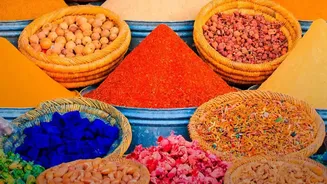
or 'bazaar', which often includes cardamom, cinnamon, cloves, and the distinctive smoky-sour flavour of 'loomi', or dried black limes. The rice is cooked in the flavourful meat broth, ensuring every grain is saturated with taste. Served on a large communal platter, Machboos embodies the Qatari principles of generosity and shared joy, making it a fixture at family feasts for Eid and other special occasions.
Harees: A Porridge of Patience and Community
Harees is a testament to the beauty of slow cooking and simple ingredients. It consists of beaten or coarsely-ground wheat that is cooked for hours with meat (lamb or chicken) until it forms a thick, smooth, porridge-like consistency. The process is a labour of love, often prepared in large quantities to be shared with family, neighbours, and the less fortunate, especially during Ramadan and other festivals. Served warm with a generous drizzle of melted ghee on top, Harees is the ultimate comfort food, symbolising community, care, and togetherness in Qatari culture.
Ghuzi: The Ultimate Feast Dish
When a truly grand gesture of hospitality is required, Ghuzi takes centre stage. This extravagant dish features a whole roasted lamb, seasoned and cooked to tender perfection, served atop a mountain of fragrant, nutty rice. The rice itself is a masterpiece, cooked with spices and often studded with nuts and raisins. Traditionally reserved for major celebrations like weddings and Eid, presenting a Ghuzi is a powerful display of generosity. It is a dish designed for a crowd, transforming any meal into a memorable feast and embodying the pinnacle of Qatari hospitality.
Thareed: A Hearty and Historic Stew
Thareed is a dish steeped in history and tradition, beloved for its comforting and nourishing qualities. It consists of a rich, savoury stew of meat and vegetables, such as potatoes and carrots, which is poured over a layer of thin, crisp flatbread called 'regag'. The bread soaks up the flavourful broth, becoming soft and tender while adding body to the stew. Sometimes affectionately called 'Arab Lasagna', Thareed is a staple during Ramadan and family gatherings. Its tradition of being served in a large, shared dish reinforces the cultural values of unity and eating together.
Luqaimat: Sweet Golden Dumplings
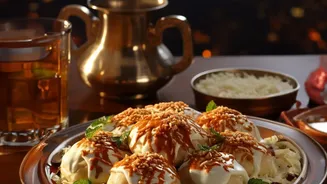
No Qatari celebration is complete without something sweet, and Luqaimat are a perennial favourite. The name translates to 'little bites', which perfectly describes these small, deep-fried dough balls. They are wonderfully crisp and golden on the outside, yet soft and airy on the inside. Immediately after frying, they are drenched in sweet date syrup ('dibs') or honey and sometimes sprinkled with sesame seeds. Served warm, often alongside a cup of bitter Arabic coffee, Luqaimat are a symbol of festive happiness and are especially popular during Ramadan and for Qatar National Day celebrations.
Balaleet: A Surprising Sweet & Savoury Start
Balaleet is a unique and traditional Qatari breakfast dish that often makes an appearance during holiday mornings, particularly for Eid. It offers a delightful contrast of sweet and savoury flavours. The dish consists of thin vermicelli noodles sweetened with sugar, cardamom, rose water, and saffron, which gives them a beautiful golden hue. This sweet noodle base is then topped with a thin, savoury egg omelette. This surprising combination is a beloved fixture of celebratory breakfasts and reflects the diverse influences within Qatari cuisine.