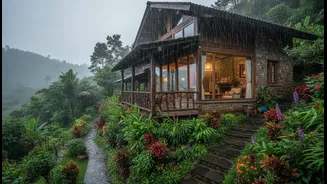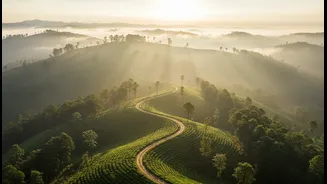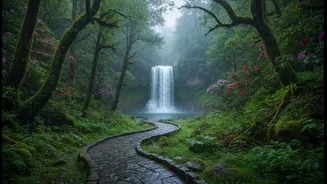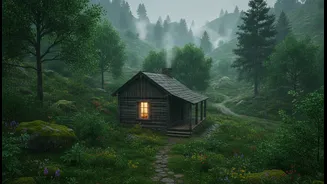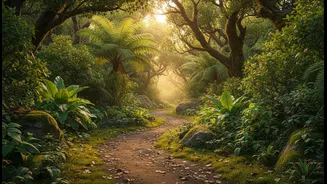


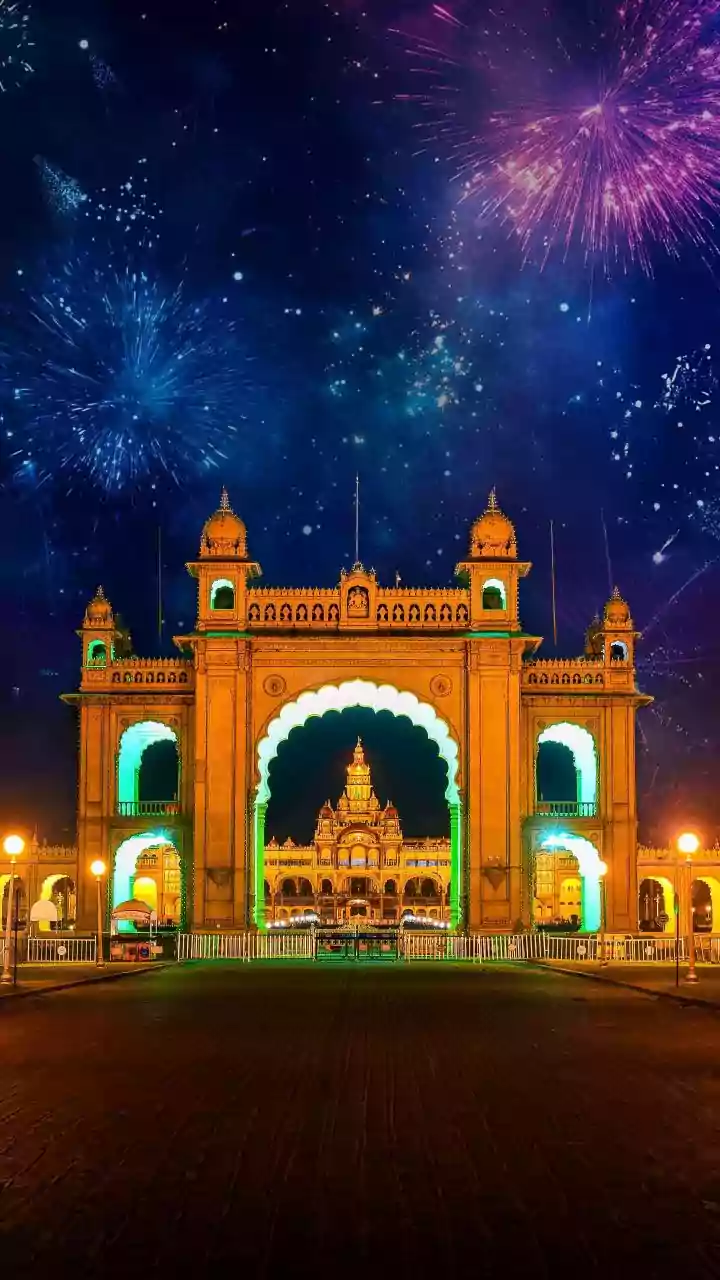



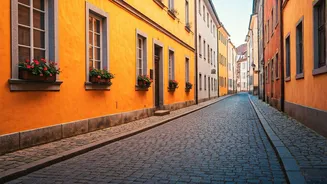


From Tourist Hotspots to Quiet Corners
For years, the goal of a holiday was often to see the sights everyone else was seeing. Think packed beaches in Goa during December or bumper-to-bumper traffic heading to Shimla for the summer. But a growing number of travellers are now actively avoiding
these scenarios. This shift isn't about avoiding travel; it's about redefining it. The new mindset prioritises personal experience over a pre-packaged itinerary. It’s a pushback against “overtourism,” where destinations become so popular that they lose their charm and strain local resources. Travellers are tired of long queues, inflated prices, and the feeling that they are just part of a crowd. Instead, they're searching for something more meaningful.
The Search for Authenticity
At the heart of this new mindset is a powerful craving for authenticity. Modern travellers increasingly want to connect with a place on a deeper level, to experience it like a local rather than just observing from the outside. According to one survey, 90% of travellers say experiencing a destination as the locals do is a priority. This involves seeking out unique cultural encounters, supporting local businesses, and understanding the everyday rhythm of a place. It's the difference between a selfie at a monument and sharing a meal with a local family or learning a traditional craft. This desire for genuine connection is driving people to explore destinations that are not yet on the mainstream tourist map, where a more organic and unfiltered experience is possible.
India's Offbeat Awakening
This global trend is strongly reflected in India. Indian travellers are increasingly pushing beyond conventional boundaries to discover the country's hidden treasures. Post-pandemic, searches for offbeat destinations have surged, with a 25% increase noted on travel platforms in early 2024. Destinations like Ziro Valley in Arunachal Pradesh, the tranquil villages of Uttarakhand like Shitlakhet, and coastal secrets like Gokarna in Karnataka are gaining traction. This shift is also fuelled by a growing interest in sustainable travel, with a report from Booking.com showing that 97% of Indian travellers intend to travel more sustainably. This often leads them to less crowded places where they can contribute positively to the local community and environment.
The Social Media Paradox
It's impossible to talk about travel today without mentioning social media. For a long time, platforms like Instagram created 'it' destinations, causing certain spots to become overwhelmingly popular. But the same platforms are now also fuelling the counter-trend. While some still chase the perfect shot at a famous location, a new kind of social currency is emerging: the discovery of a place no one else has posted about. According to an Airbnb report, 90% of Gen Z travellers are likely to seek out places that haven't been widely recommended online. This creates a paradox where the desire to find and share something unique pushes travellers further off the beaten path, constantly expanding the map of desirable destinations.
What This Means for the Future of Travel
This new mindset suggests a move from passive sightseeing to active and conscious exploration. It's a travel style driven by curiosity, personal growth, and a desire for real connection. People are seeking transformation, not just transportation. They value experiences that challenge them, broaden their perspectives, and create lasting memories that are more personal than a photo of a crowded landmark. This isn't just about escaping the crowds; it's about finding something more profound in the journey itself. As more people adopt this approach, the definition of a 'dream vacation' is set to become more personal, more sustainable, and infinitely more varied.