





The Health Halo Effect
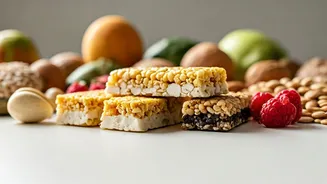
Food marketing is powerful. Brands use appealing words and images to create a 'health halo' around their products, making us perceive them as healthier than they are. For example, a packet of biscuits might be labelled a 'healthy snack' or 'multigrain',
but a closer look reveals it's still high in sugar and refined flour. In India, the Food Safety and Standards Authority of India (FSSAI) has flagged numerous brands for using misleading claims like 'healthy', 'zero maida', and 'natural'. An independent audit found over a third of food labelling claims in India's packaged food market were non-compliant or misleading. This creates a gap between what consumers believe they are buying and what they are actually eating.
Decoding the Buzzwords
To become a smarter snacker, you need to learn the language of marketing. 'Multigrain' simply means more than one type of grain is used; it doesn't guarantee they are whole grains and often refined flour is still the main ingredient. 'Baked, not fried' sounds much better, but these snacks can still be high in sodium and saturated fat. 'No added sugar' can also be deceiving, as products may still contain naturally occurring sugars or sugar alcohols. Even the claim 'high protein' can be misleading. In India, a snack only needs 20% of its energy from protein to make this claim, which may only amount to 5 grams in a 100-calorie snack. Becoming literate means looking past these front-of-pack claims.
Your Guide to the Nutrition Label
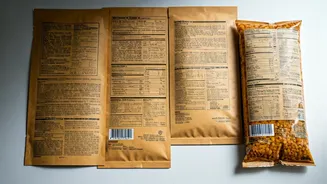
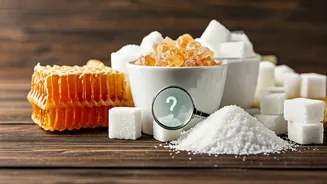
The real story of a snack is on the back of the package, in the nutrition facts label and the ingredients list. Here's a quick guide: First, check the serving size. Often, a small bag is considered two or more servings, meaning you have to double or triple the calories, sugar, and sodium if you eat the whole thing. Next, look at the ingredients list. Ingredients are listed by weight, from most to least. A good rule of thumb is the 'five-ingredient rule': if the list is short and contains recognisable, whole-food ingredients, it's likely a better choice. If sugar or its many other names (like fructose or maltose) is one of the first few ingredients, it's a red flag.
Key Numbers to Know
When scanning the nutrition panel, focus on a few key numbers. For added sugars, aim for snacks with less than 6 to 8 grams per serving. For sodium, a good benchmark is under 200mg per serving. Also, look for fibre and protein, as these are what will keep you feeling full and provide sustained energy. A snack with at least 3 grams of fibre and 5 grams of protein is a solid choice. This combination helps stabilize blood sugar and prevent the energy crashes associated with sugary, low-nutrient snacks.
What Truly Makes a Snack Healthy?
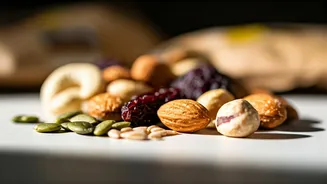
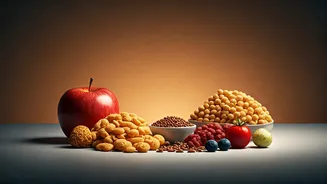
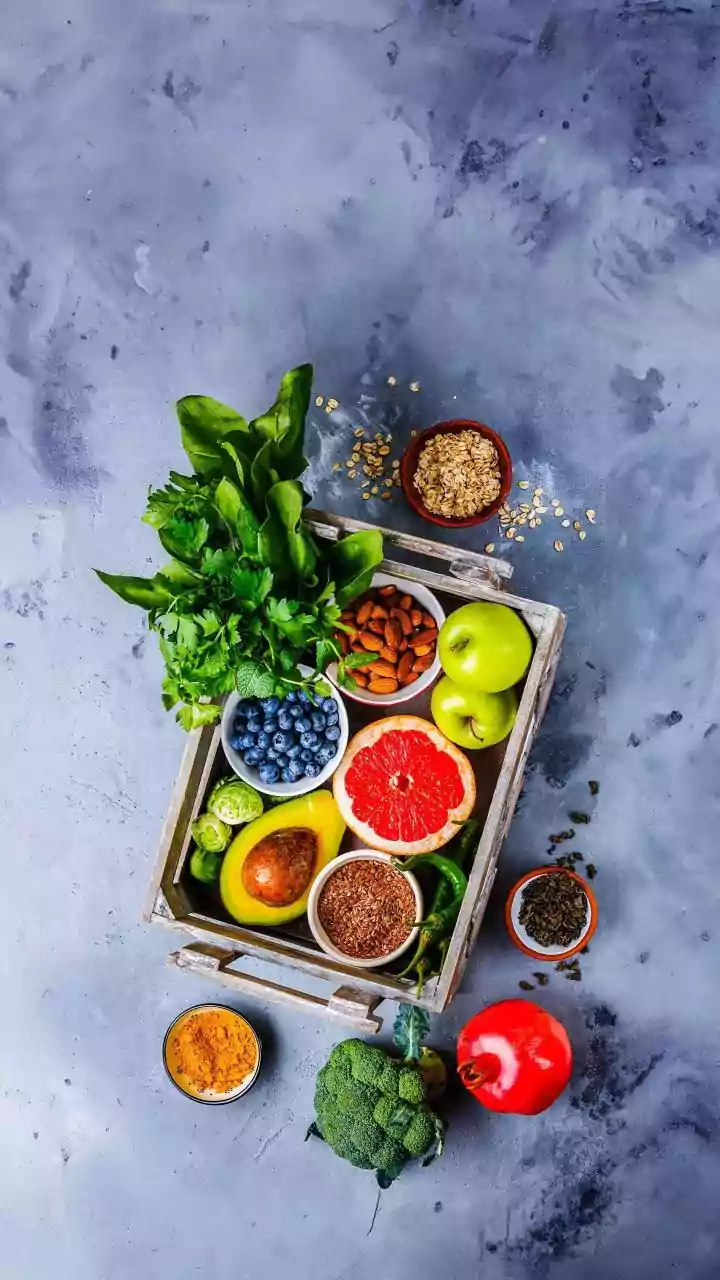
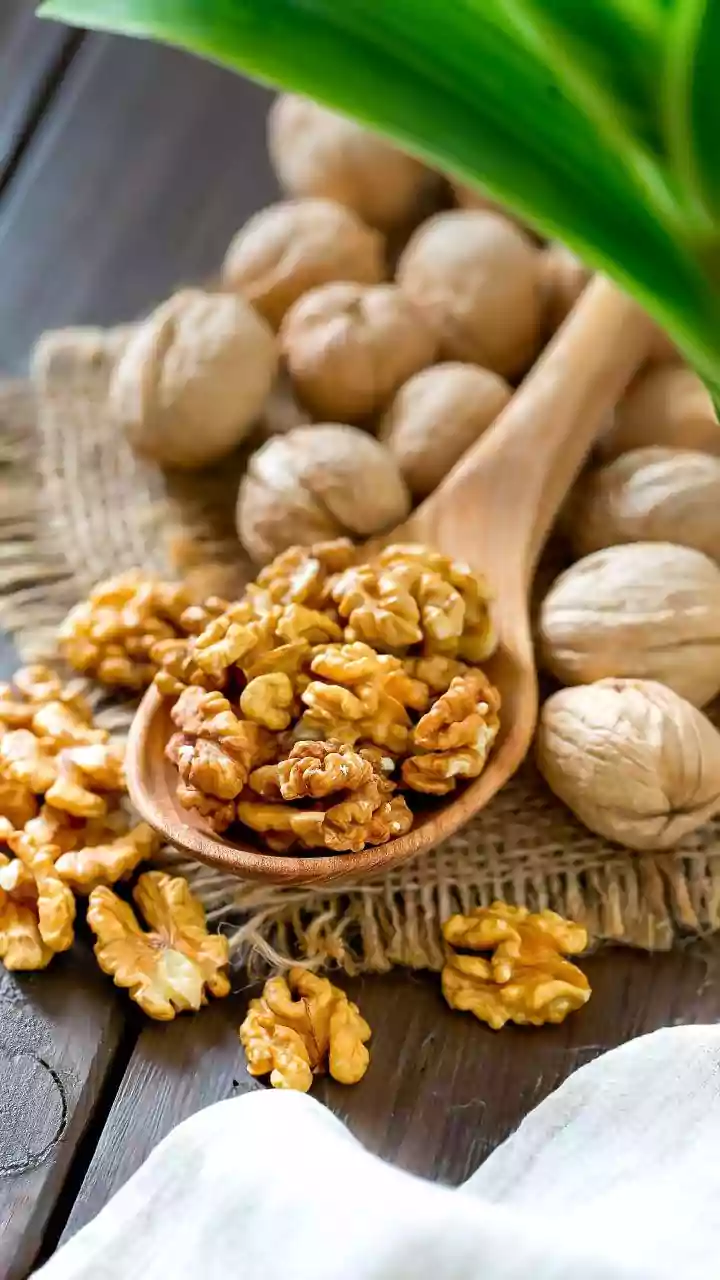
A truly healthy snack is about nutrient density, not just low calories. It should provide a balanced mix of protein, healthy fats, and fibre. Think of whole, minimally processed foods. Examples include a handful of nuts, Greek yogurt, fresh fruit with nut butter, roasted chickpeas, or vegetables with hummus. These foods provide essential vitamins and minerals that support overall health, from immune function to brain health. Smart snacking isn’t about deprivation; it’s about making intentional choices that fuel your body and prevent overeating at main meals.