



Start With Your Water
One of the most significant sources of microplastics is bottled water. Studies have shown that water in plastic bottles can contain substantially higher levels of microplastics than tap water. The plastic from the bottle itself can break down and leach
into the water, a process that can be accelerated by heat, like when a bottle is left in a hot car. The simplest first step is to switch to drinking tap water. For added peace of mind, you can use a water filter. While simple carbon pitchers help, under-sink or reverse osmosis systems are even more effective at removing tiny particles. When you're on the go, carry your water in a reusable bottle made of glass or stainless steel instead of buying single-use plastic bottles.
Rethink Your Kitchen Storage
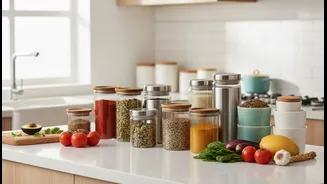
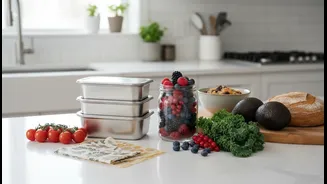
How you store and reheat food makes a big difference. Plastic containers and cling wrap can shed microparticles directly into your food. This effect is amplified when plastic is heated. Never microwave food in plastic containers, even if they are labelled 'microwave-safe'. Heat accelerates the breakdown of plastic, increasing the release of particles. Instead, transfer leftovers to glass or ceramic dishes before heating. For storage, gradually replace your plastic tubs with alternatives like glass, stainless steel, or ceramic containers. These materials are more stable, do not leach chemicals, and can be a great long-term investment for your kitchen. For wrapping sandwiches or covering bowls, consider beeswax wraps or aluminum foil as alternatives to plastic cling film.
Choose Whole and Fresh Foods
Highly processed foods tend to have more contact with plastic during manufacturing and packaging, which can increase their microplastic content. For example, studies have found more microplastics in processed meats like chicken nuggets compared to whole chicken breast. Opting for fresh, whole foods is a powerful way to reduce exposure. Buy loose fruits and vegetables whenever possible, using reusable produce bags instead of the thin plastic ones provided at the store. Choosing items packaged in glass, such as sauces, pickles, or oils, over those in plastic jars or cans with plastic linings is another easy swap. This not only reduces plastic exposure but also often leads to a healthier diet overall.
Be Mindful of Hot Drinks
Your daily cup of tea or coffee could be an unexpected source of microplastics. Many teabags, especially the 'silky' pyramid-shaped ones, are made of plastic (nylon or PET) and can release billions of particles when steeped in hot water. Even paper teabags are often sealed with a plastic polymer that can break down. The safest bet is to switch to loose-leaf tea and use a stainless steel or glass infuser. Similarly, the plastic lining in disposable paper coffee cups can leach particles into your hot beverage. A simple and effective habit is to bring a reusable cup made of ceramic, glass, or stainless steel when you buy coffee to-go.
Upgrade Your Cooking Tools
The tools you use to prepare and cook food can also contribute to your microplastic intake. Plastic cutting boards can shed particles that get mixed into your food as you chop. Wooden or bamboo cutting boards are a safer alternative. Similarly, using plastic spoons or spatulas to stir hot soups or sauces can release microplastics. Consider switching to utensils made of wood, stainless steel, or silicone. It's also wise to be cautious with non-stick pans. If they become scratched, they can release plastic particles. Cooking with stainless steel, cast iron, or ceramic cookware is a more durable and stable option.