



A Craving for Contrast
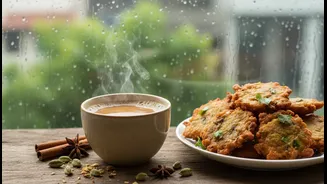
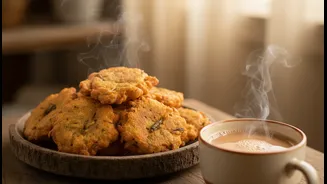
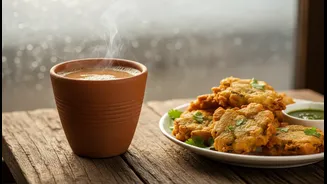
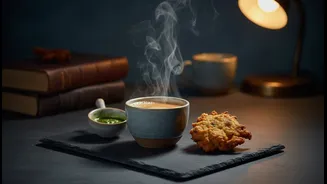
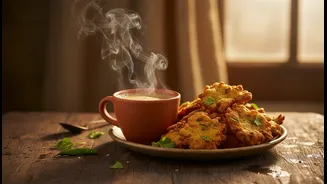
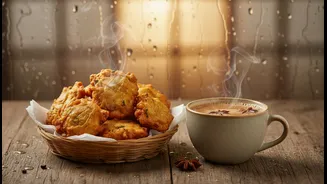
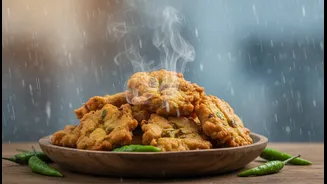
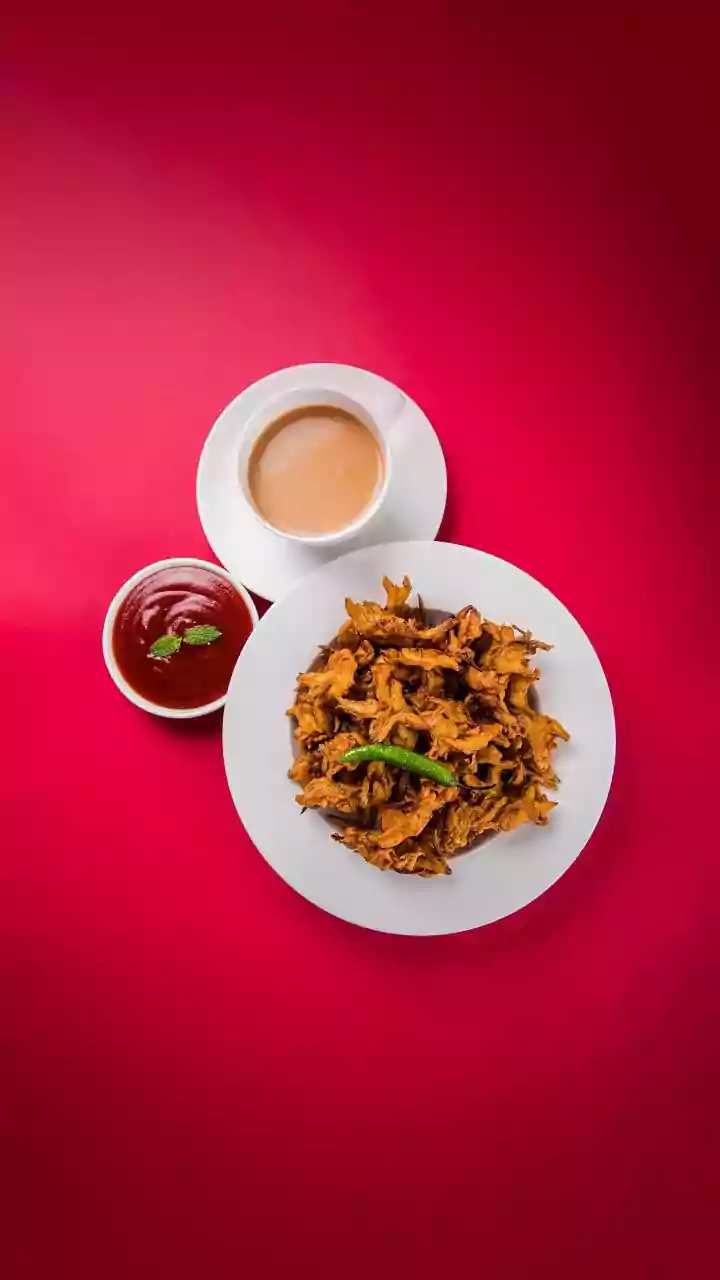
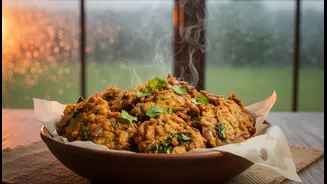
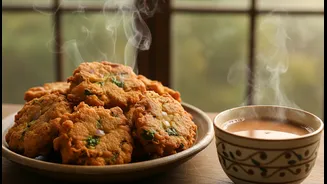
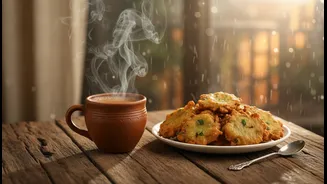
One of the simplest explanations for our monsoon cravings is the desire for sensory contrast. When the world outside becomes cool, damp, and grey, our brains naturally seek warmth and brightness. A steaming cup of tea warms our hands, while a plate of golden-fried
snacks provides a comforting counterpoint to the sluggish, humid weather. Psychologists note that humans naturally gravitate towards foods that offer physical and psychological warmth in cooler weather. Furthermore, a lack of sunlight during overcast monsoon days can lead to a dip in serotonin, our natural mood-booster. Carbohydrate-rich foods, like the besan in pakoras or the potato in a samosa, can briefly increase serotonin levels, making us feel happier and more content.
The Power of the Crunch
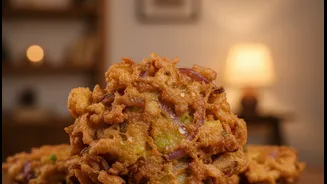
Texture is a powerful, if often overlooked, element of food satisfaction. The specific craving for fried snacks isn't just about warmth; it's about the crunch. Psychologists and food scientists have found that crunchy and crispy textures are deeply satisfying. The sound a crispy food makes—that sharp crackle—is interpreted by our brain as a sign of freshness and quality. This multi-sensory experience, engaging hearing, touch, and taste, can trigger a release of dopamine, the brain's feel-good chemical. Some researchers even suggest that the act of chewing crunchy foods can be a form of stress relief, helping to release jaw tension and provide a calming, therapeutic effect. In the context of a damp, quiet monsoon day, the loud, active experience of eating something crispy becomes incredibly appealing.
A Ritual Set in Memory
Beyond the immediate sensory pleasure, monsoon snacking is a deeply ingrained ritual. For many Indians, the act of making and sharing chai and pakoras is tied to countless memories of family, childhood, and community. This is what psychologists call 'associative learning.' When two experiences—like rain and comforting food—repeatedly happen together, the brain forges a strong link between them. Over years, the mere sight of dark clouds or the smell of wet earth (petrichor) can trigger these powerful, nostalgic food cravings before you even feel hungry. The brain isn't just asking for calories; it's seeking the emotional comfort and security wrapped up in those memories. Sharing these snacks reinforces the tradition, turning a simple meal into a shared cultural event that connects us to our past and each other.
The Brain's Sensory Library
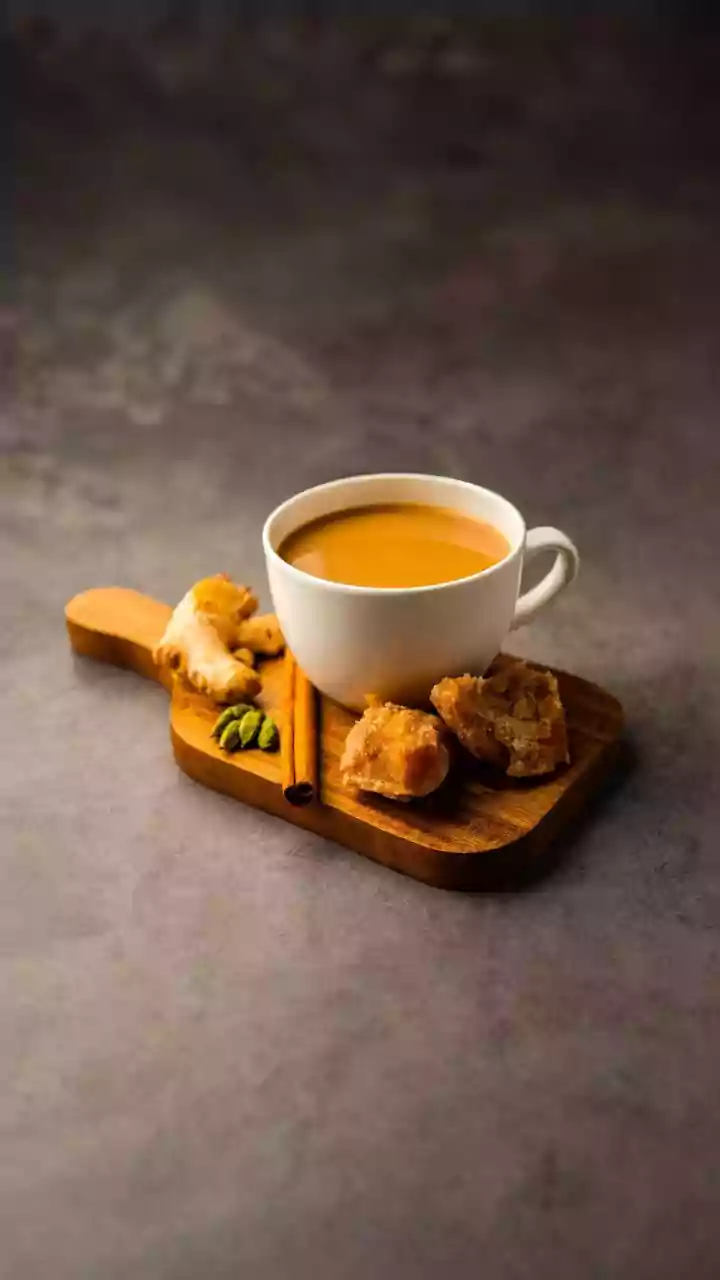
The connection between food and memory is profoundly biological. Our sense of smell is directly linked to the parts of the brain responsible for emotion and memory, like the amygdala and hippocampus. This is why a specific aroma can transport you back in time more effectively than almost any other sense. The smell of ginger and cardamom boiling for chai, or of besan hitting hot oil, doesn't just register as a scent; it unlocks a library of sensory data. Food memories are particularly potent because they engage all five senses—the sight of the food, the sound of the crunch, the smell of the spices, the feel of the texture, and the final taste. This complete sensory immersion creates memories that are rich, emotional, and easily recalled, ensuring that the ritual of monsoon snacking is passed down through generations, not just as a recipe, but as a feeling.