






The Myth of the Marathon Session
For decades, the prevailing wisdom was that more time in the gym automatically equalled better results. We’ve all seen people dutifully spend two hours moving from machine to machine. However, modern exercise science shows that the effectiveness of a workout
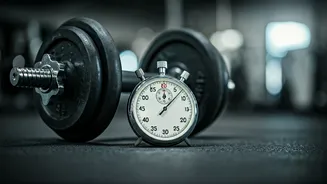
is not measured in minutes, but in the quality of the stimulus provided to your muscles. A shorter, more intense session can deliver superior results compared to a longer, less focused one. The key is to train smarter, not just longer. When workouts become excessively long, fatigue can lead to poor form, increasing the risk of injury and diminishing the quality of each repetition. A focused 45-minute session with purpose will always be more beneficial than a 90-minute session filled with distractions and half-hearted efforts.
Embrace High-Intensity Interval Training (HIIT)
If you're short on time, High-Intensity Interval Training (HIIT) is one of the most effective tools at your disposal. HIIT involves short, all-out bursts of exercise followed by brief recovery periods. For example, a 30-second sprint on a stationary bike followed by 60 seconds of slow pedalling, repeated for 15-20 minutes. Research has shown that HIIT can provide similar, if not superior, cardiovascular benefits to longer, steady-state cardio sessions in a fraction of the time. It also creates a metabolic effect known as Excess Post-Exercise Oxygen Consumption (EPOC), where your body continues to burn calories long after you’ve left the gym.
Prioritise Compound Movements
To maximize efficiency, build your workouts around compound exercises. These are multi-joint movements that work several muscle groups simultaneously. Think squats, deadlifts, bench presses, pull-ups, and overhead presses. Because they engage so much muscle mass, compound lifts provide more bang for your buck, stimulating more overall muscle growth and burning more calories in less time compared to isolation exercises like bicep curls or leg extensions. A workout built on three to four key compound movements can effectively train the entire body, making it an ideal strategy for those with limited time.
The Power of Progressive Overload
The true secret to long-term fitness progress isn't adding more time to your workouts, but consistently making them more challenging. This is the principle of progressive overload. It states that for muscles to grow and get stronger, they must be forced to adapt to a stress that is greater than what they have previously experienced. This doesn't mean you have to lift dangerously heavy weights every session. Progressive overload can be achieved in several ways: increasing the weight you lift, performing more repetitions or sets with the same weight, reducing your rest time between sets, or improving your form and range of motion. By focusing on gradual, measurable progress, you ensure that every workout is a step forward, regardless of its duration.
Ditch the Distractions
The fastest way to derail a quality workout is by losing focus. Scrolling through your phone between sets, chatting for extended periods, or watching TV can turn a potent 45-minute session into a diluted 90-minute one. When your mind isn't focused, your body often slips into autopilot, reducing the intensity of your exercise and compromising your form. This not only makes your workout less effective but also increases the risk of injury. To ensure a high-quality session, treat your gym time as dedicated, protected time. Put your phone on airplane mode, have a clear plan before you start, and focus on the mind-muscle connection for each repetition.