






The Invisible Journey from Farm to Fork
The term “cold chain” refers to the entire temperature-controlled supply network that keeps perishable goods fresh from the moment they are harvested until they reach the consumer. This isn't just about a single refrigerator; it’s an unbroken sequence
of facilities. It starts with pre-cooling units at the farm gate, continues with refrigerated trucks ('reefer' vehicles) for transport, moves through large-scale cold storage warehouses, and ends at the chilled shelves in retail stores. The objective is to maintain a consistent low temperature, slowing down the natural decay of products like fruits, vegetables, dairy, meat, and fish, thereby extending their shelf life and preserving their quality. A single break in this chain—a delay on a hot tarmac or a storage unit failure—can lead to the spoilage of an entire shipment.
The Staggering Scale of Food Waste
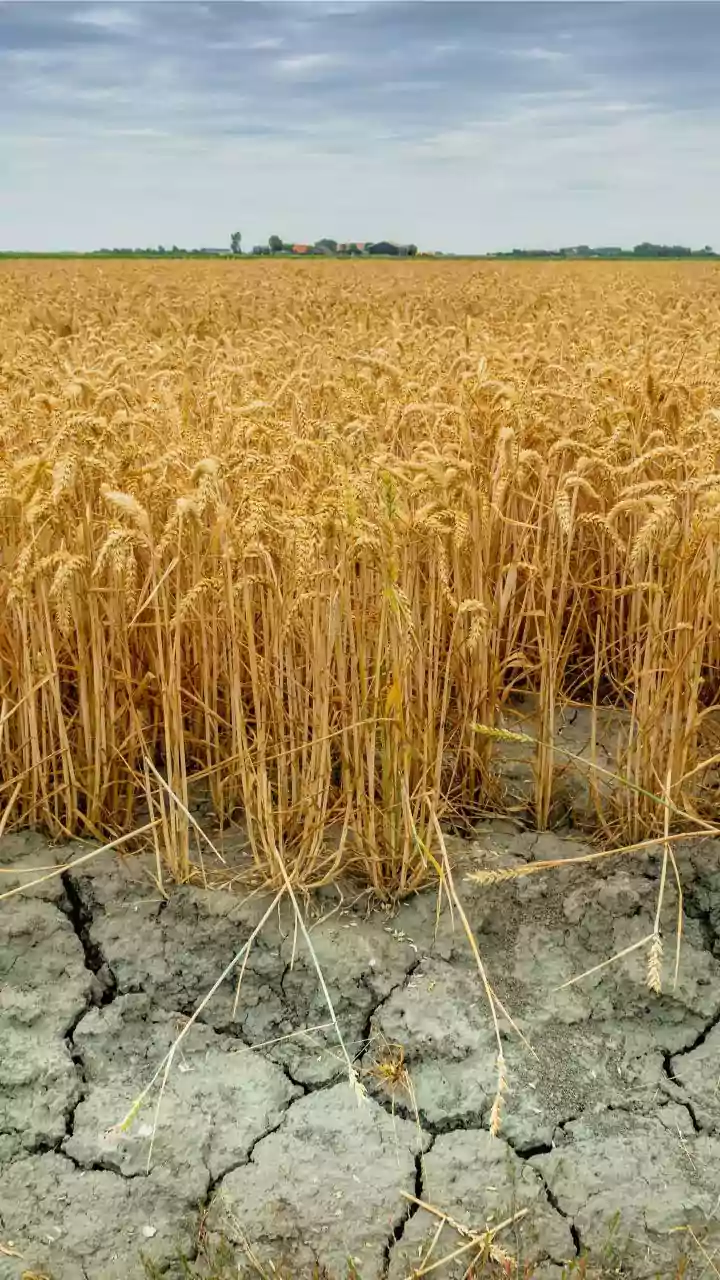
Without robust cold chain infrastructure, post-harvest losses are immense. According to some estimates, India wastes food worth approximately ₹92,000 crores annually, with a significant portion being perishable goods. Some reports suggest that up to 40% of fruits and vegetables are lost before they even reach a consumer, largely due to the lack of adequate storage and transport. This is a massive economic loss for farmers, who are often forced into distress sales to avoid their produce rotting. More broadly, it represents a colossal waste of the land, water, and energy used in production. The current refrigerated transport sector in India is also significantly underdeveloped, with an estimated need for over 62,000 reefer vehicles against an operational fleet of around 10,000. This gap between farm and market is where a huge amount of food perishes.
The Nutritional Cost of a Broken Chain
The impact of a weak cold chain extends beyond economic loss; it directly affects public health and nutrition. When fresh produce spoils easily, its availability becomes scarce and its price increases, putting it out of reach for many low-income households. This limited access to nutrient-dense foods like fruits, vegetables, and proteins is a major contributor to malnutrition and micronutrient deficiencies. While India has made strides in food security through the distribution of staple grains, the challenge of ensuring access to a diverse, nutritious diet remains. A reliable cold chain helps stabilize the supply and price of perishable goods, making a healthy diet more affordable and accessible for all communities year-round.
More Than Just Food
The importance of an efficient cold chain was starkly highlighted beyond the food sector during the global pandemic. The distribution of temperature-sensitive vaccines to every corner of the country depended entirely on a functional cold chain. It is estimated that nearly 20% of temperature-sensitive healthcare products, including 25% of vaccines, can be damaged or degraded due to a broken cold chain. This underscores its critical role in the pharmaceutical and healthcare industries. As India solidifies its position as the 'Pharmacy of the World,' the demand for reliable, data-driven cold chain logistics for complex medicines and biologics is rapidly growing, pushing the industry towards greater technological adoption.
Forging a Stronger Chain
Recognizing the critical gaps, the Indian government has initiated several schemes to bolster its cold chain infrastructure. Programs like the Pradhan Mantri Kisan SAMPADA Yojana (PMKSY) provide subsidies and financial assistance—often between 35% and 50% of the project cost—to encourage private investment in cold storage, reefer vans, and processing units. The market is responding, with India’s cold chain logistics market reaching an estimated US$24.85 billion in 2026. Innovation is also playing a key role. Technology like the Internet of Things (IoT) sensors for real-time temperature monitoring, GPS tracking, and data analytics are making supply chains more efficient and reliable. Alongside large warehouses, there is a growing focus on smaller, localized pack houses and pre-cooling units to serve small farmers directly.