

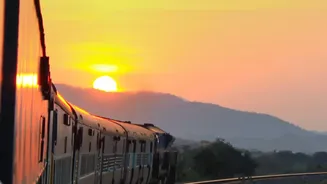
The Call of the Wild, on a Budget
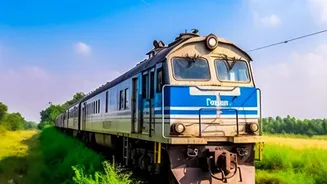
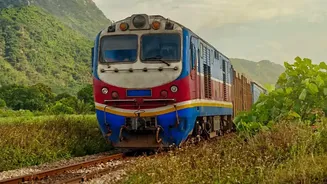
Central India, with its legendary forests and iconic tiger population, can feel remote and expensive to access. However, for the savvy budget traveller, the Indian Railways network provides an incredible opportunity. Numerous overnight express trains
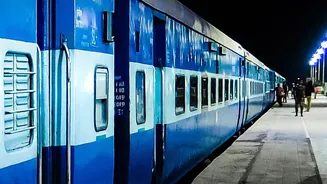
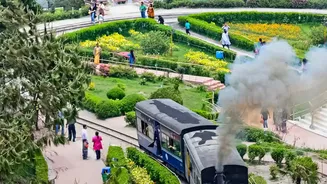
connect major metropolitan hubs like Delhi, Mumbai, and Kolkata with gateway towns and cities just a short drive from some of the nation's most spectacular wildlife sanctuaries. This mode of travel isn't just cost-effective; it's an experience in itself. Sharing a compartment, sipping chai from vendors on the platform, and watching the urban landscape slowly melt into rustic countryside is part of the adventure. By travelling overnight, you also save on a night's accommodation, arriving fresh in the morning, ready to begin the final leg of your journey into the wilderness.
Gateway Stations to the Great Sanctuaries
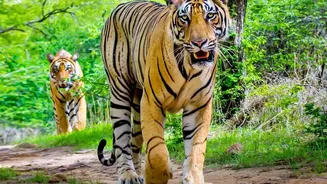
The key to planning your wildlife adventure is knowing the right stations to disembark. Several major railway junctions serve as hubs for the region's national parks. For Bandhavgarh National Park, known for its high tiger density, the nearest station is Umaria (35 km), with Katni (100 km) being a larger, better-connected option. To reach Kanha National Park, the inspiration for Kipling's 'The Jungle Book', your best bets are Jabalpur (160 km) and Gondia (145 km). For Pench National Park, which straddles Madhya Pradesh and Maharashtra, Nagpur (92 km) and Seoni (72 km) are the most convenient railway heads. And for Tadoba Andhari Tiger Reserve in Maharashtra, famous for its frequent tiger sightings, Chandrapur (45 km) is the closest and most convenient station. These stations are well-connected by long-distance trains from all corners of the country.
Your Chariots to the Jungle
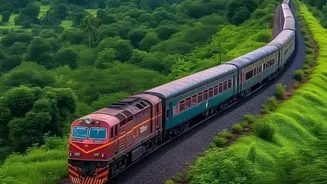
A number of reliable overnight trains can get you to these wildlife gateways. From Delhi, trains like the MP Sampark Kranti Express and the NZM JBP SF Express provide excellent connectivity to Jabalpur and Katni, ideal for reaching Kanha and Bandhavgarh. If you're travelling from Mumbai, a host of trains run towards Nagpur, Jabalpur, and Gondia, putting Pench and Kanha within easy reach. Similarly, those starting from Kolkata can board trains like the Mumbai Mail to Jabalpur. Booking a sleeper class or a 3AC ticket offers a comfortable yet economical way to travel. These classes are the lifeblood of Indian train travel, offering a chance to meet fellow travellers and immerse yourself in the journey. Booking well in advance through the official IRCTC website is highly recommended, as these popular routes can fill up quickly.
From Station to Sanctuary: The Final Leg
Arriving at your destination station is just the beginning of the final, exciting phase. The last-mile connectivity from the railway station to the national park's entrance gates is a crucial part of your plan. At major stations like Jabalpur, Nagpur, and Katni, you'll find plenty of options, including pre-paid taxis and private cabs. From smaller stations like Umaria, jeeps and local taxis are the primary mode of transport. The drive itself is often scenic, taking you through small villages, farmlands, and eventually, the buffer zones of the forest. It is always a good idea to pre-arrange this transfer with your lodge or resort. They have reliable contacts and can ensure a vehicle is waiting for you upon arrival, making the transition from train to safari lodge smooth and hassle-free. The drive can take anywhere from one to four hours, depending on the park and station.
A Quick Guide to Planning Your Trip
To make the most of your train-to-jungle adventure, a little planning goes a long way. First, book your train tickets 60-120 days in advance, especially during peak season (October to March). Next, and just as importantly, book your wildlife safaris online. Safari permits, particularly for the popular 'core' zones of parks like Bandhavgarh and Kanha, are limited and sell out months ahead. Don't leave this to chance. Decide on the park you want to visit, book your stay at a budget-friendly lodge near one of the entrance gates, and then coordinate your train and safari bookings. Pack light, but include essentials like binoculars, a cap, sunscreen, and neutral-coloured clothing for safaris. Remember that most parks are closed during the monsoon season, typically from July to September.