


Nepal is reinforcing its mountain safety regulations, taking decisive action against trekkers who disregard them. A recent incident involving a group of Indian nationals has put a spotlight on these rules and what they mean for future travel.
A Costly Rescue and a Clear Message
In early
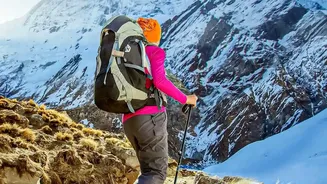
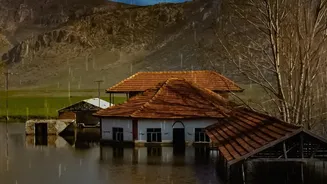
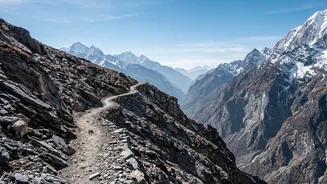
November 2026, six Indian trekkers were rescued from the remote, snowbound Upper Dolpa region after becoming stranded. The group allegedly entered a restricted area without the necessary permits, ignored official warnings about severe weather, and even left their guide behind as they pressed onward into hazardous conditions. The rescue operation, which required a helicopter and cost Nepal's disaster management fund an estimated Rs 10 lakh, concluded with authorities fining the trekkers for their violations. An official criticised the group's irresponsible behaviour, highlighting the strain such incidents place on resources, especially as the country recovers from recent natural disasters. This event is not an isolated one; it serves as a stark warning that Nepalese authorities are tightening enforcement of rules designed to protect both trekkers and the nation's fragile resources.
Understanding Nepal’s Core Trekking Rules
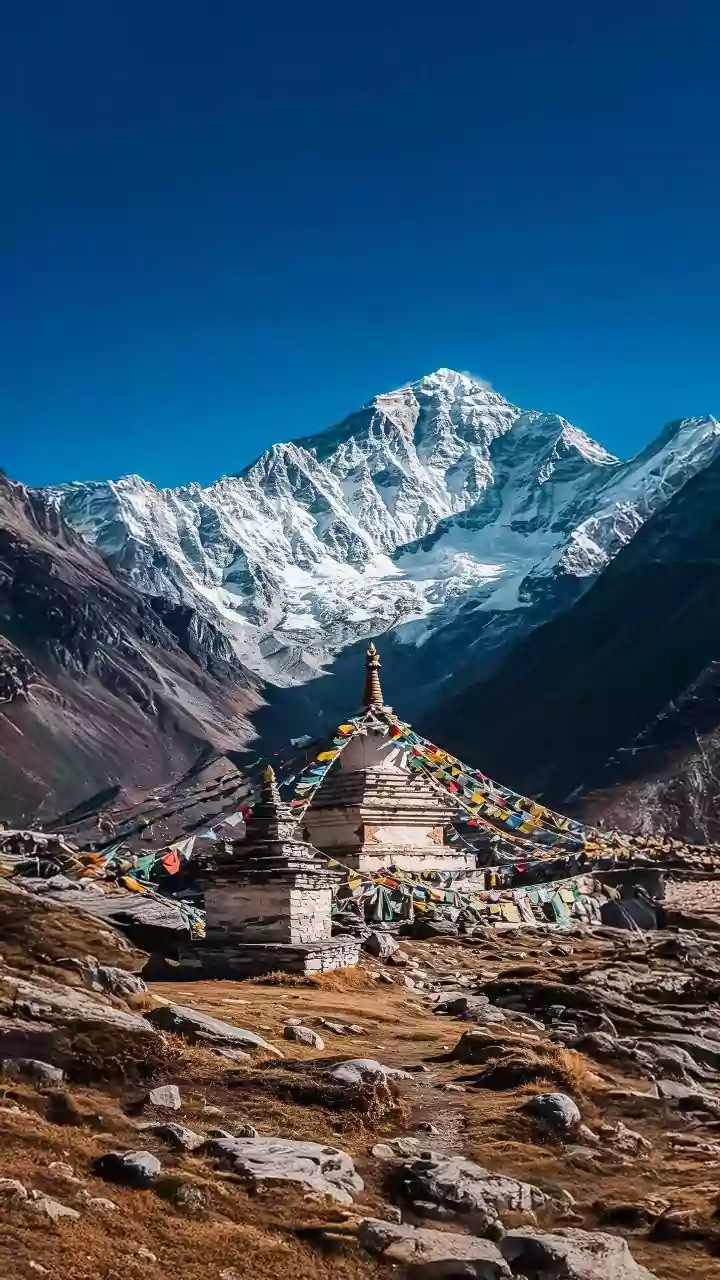
For years, Nepal has been refining its trekking regulations to enhance safety. The most significant rule, fully enforced since 2023, is that all foreign trekkers in national parks and conservation areas must be accompanied by a licensed guide from a government-registered agency. This applies to nearly all popular routes, including the Everest, Annapurna, and Langtang regions. The era of independent, unguided trekking in these zones is over. The government implemented this policy in response to a rising number of search and rescue operations for solo trekkers. A licensed guide is now seen as a critical safety measure, providing navigation, emergency assistance, and local expertise.
The Confusing World of Permits
Beyond the mandatory guide, trekkers must navigate a system of permits. The Trekkers' Information Management System (TIMS) card remains a central part of this. While some online sources claim it has been scrapped in certain areas, the reality is more complex. As of 2026, the TIMS card is still required for regions like Langtang and Manaslu, but its enforcement has been replaced by local conservation area permits in the Everest and Annapurna regions. What has definitively changed is that the old 'independent trekker' TIMS card, once available directly to individuals, no longer exists. All permits must now be processed through a registered trekking agency as part of a guided package. For certain sensitive areas known as Restricted Areas (like Upper Dolpa, Upper Mustang, and Manaslu), an additional special permit is required, which also must be arranged via an agency.
Why the Stricter Enforcement Now?
The recent actions in Dolpa are part of a broader trend. Nepal's government is aiming to make tourism more sustainable and safer. The mandatory guide rule was introduced not only for safety but also to create local employment and discourage unauthorised trekking operations. Furthermore, a series of recent weather-related events and accidents has underscored the risks. In late October 2026, authorities issued a three_day ban on all high_altitude trekking due to cyclone_related weather warnings, urging trekkers to halt their journeys. Shortly after, in early November, a helicopter collision in the Everest region resulted in the death of an Indian national, raising fresh concerns over the growing number of flights and overall safety in the mountains. These incidents, coupled with the high cost of rescues for rule_breakers, have created a clear incentive for stricter oversight.
What This Means for Indian Trekkers
For Indian citizens planning a trip to the Nepalese Himalayas, the message is clear: preparation and compliance are non_negotiable. The geographical proximity and cultural familiarity can sometimes lead to an underestimation of the risks and rules. It is essential to book treks through a government_registered agency, which will handle the mandatory guide and all necessary permits (TIMS, conservation area, and restricted area permits as needed). Trekkers must heed weather warnings issued by authorities like the Nepal Tourism Board. Ignoring local advice, whether from officials or your own guide, can lead to fines, cancelled trips, and life_threatening situations. The recent incident in Upper Dolpa shows that authorities are prepared to impose penalties, and the 'concession' they gave the rescued group may not be offered next time. Responsible trekking is the only way to ensure a safe and successful adventure.