



Makhana: The Ultimate Fasting Superfood
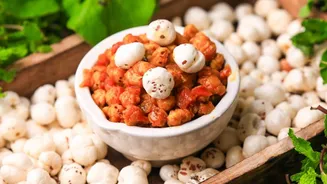
Makhana, or fox nuts, are a fasting favourite for good reason. They are incredibly light, yet satisfyingly crunchy. Low in calories and rich in protein, fibre, and essential minerals like magnesium and potassium, makhana provides sustained energy without
the sluggish feeling of heavier snacks. Because they have a low glycemic index, they help maintain stable blood sugar levels, preventing the energy crashes that can happen during a fast. Being easy to digest and naturally gluten-free, they align perfectly with the 'sattvic' nature of a fasting diet. Simply roast a bowl of makhana with a teaspoon of ghee and a sprinkle of rock salt (sendha namak) for a perfect evening snack.
Fruit Chaat: A Refreshing burst of Energy
Fruits are a cornerstone of any Navratri fast, offering natural sugars, vitamins, and hydration. A colourful bowl of fruit chaat is one of the lightest and most refreshing meals you can have. Combine seasonal fruits like apples, bananas, pomegranates, and papaya. These provide instant energy and essential nutrients to keep you going. For a more filling option, add a dollop of fresh, homemade curd. The combination of fruit and yogurt is not only delicious but also great for gut health. To keep it light, avoid adding sugar or heavy creams; a simple sprinkle of rock salt and roasted cumin powder is all you need for flavour.
Samak Rice: The Miracle Millet
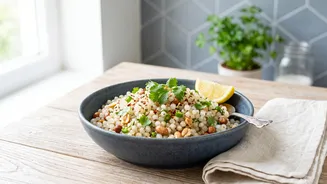
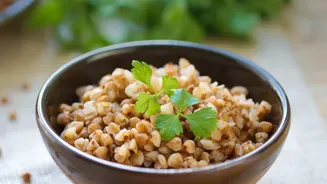
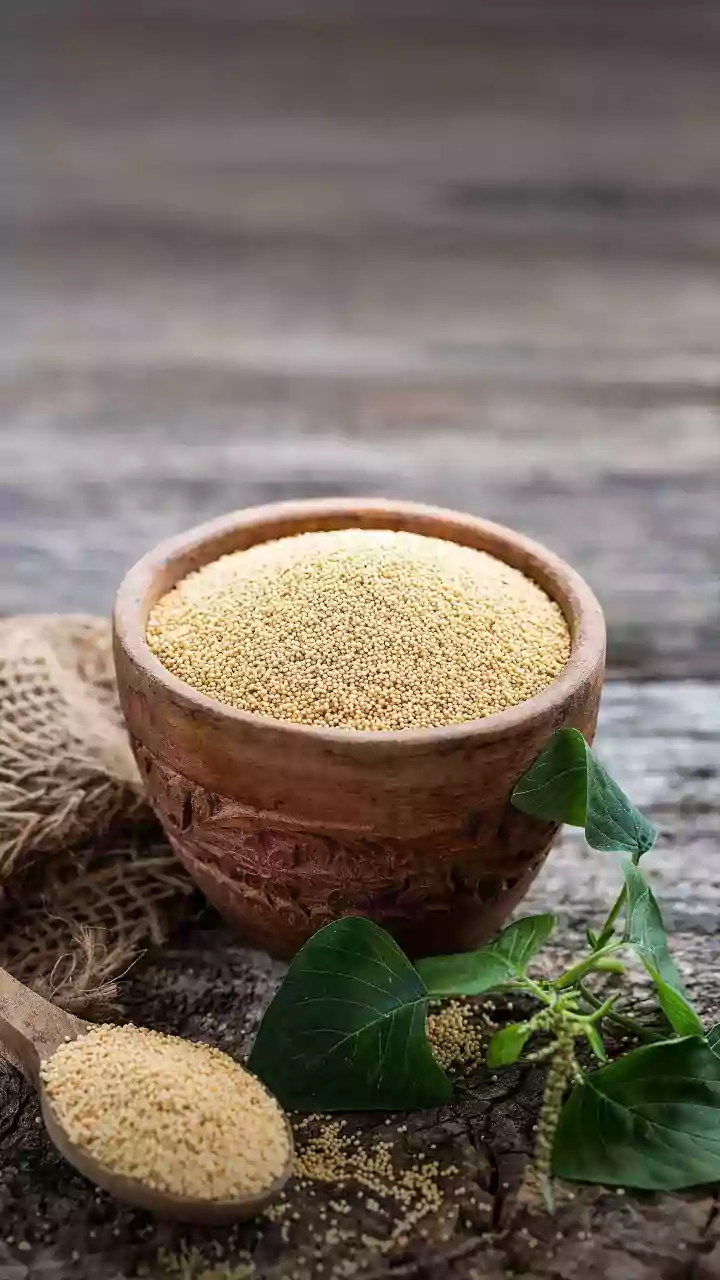
Often called 'vrat ke chawal', Samak rice (barnyard millet) is a fantastic substitute for regular rice during Navratri. It’s technically a seed, not a grain, which is why it's permitted. Extremely light on the stomach and easy to digest, Samak rice is packed with fibre and protein while being low in calories. Its high fibre content promotes a feeling of fullness, preventing overeating. It also allows for better absorption of other nutrients as it's low in phytic acid, an anti-nutrient. Prepare it as a simple khichdi with potatoes and peanuts or as a light pulao with sendha namak and black pepper for a wholesome meal.
Light Flours: Kuttu and Singhara Atta
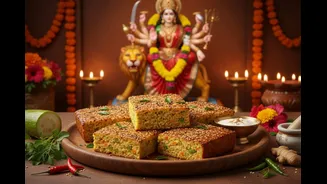
While puris and pakoras made from Kuttu (buckwheat) and Singhara (water chestnut) atta are popular, these flours can be used to make much lighter preparations. Both are gluten-free and packed with nutrients. Singhara atta is known to be cooling and lighter on the stomach, making it ideal for rotis or thin cheelas. Kuttu atta is slightly heavier but offers more protein, providing sustained energy. Instead of deep-frying, try making a soft kuttu roti to have with lauki (bottle gourd) sabzi or a simple cheela for breakfast. This way, you get the nutritional benefits without the heaviness of fried food.
Sabudana: Light If You Make It Right
Sabudana (tapioca pearls) has a reputation for being oily and heavy, but it doesn't have to be. The key is in the preparation. To make a light, non-sticky sabudana khichdi, rinse the pearls thoroughly to remove excess starch and soak them in just enough water. The most important trick is to coat the soaked pearls with coarsely ground roasted peanuts before cooking. This technique helps keep the pearls separate and allows you to cook the dish with as little as one tablespoon of oil or ghee. Cooking on low heat with a lid on steams the sabudana, making it fluffy rather than fried.
Yogurt and Vegetables: The Cooling Companions
Dairy products like milk and yogurt are highly recommended during fasting for their protein and calcium content. Buttermilk (chaas) and curd are excellent for keeping the body cool and hydrated. Pair them with light, water-based vegetables like lauki (bottle gourd) or cucumber. A simple lauki sabzi, seasoned with rock salt and cumin, is gentle on the digestive system and incredibly hydrating. A bowl of plain curd or a glass of buttermilk can be a perfect light meal or snack, helping to balance the heavier foods and aid digestion.