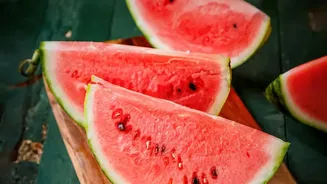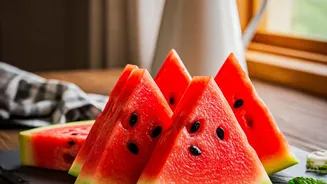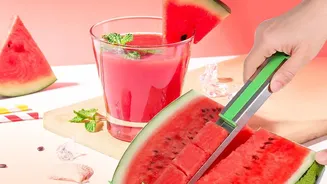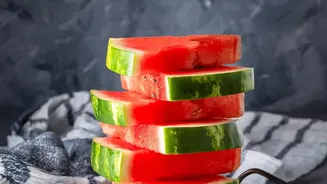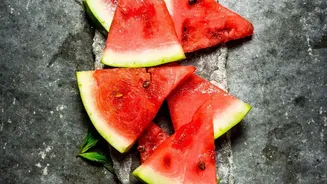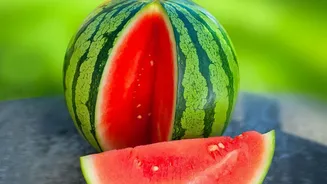



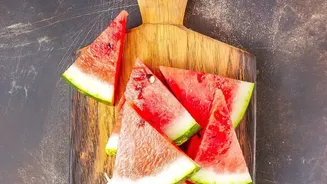
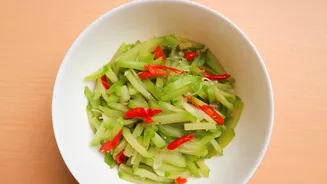
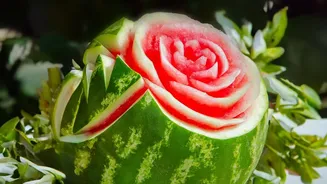
The next time you slice into a juicy watermelon, don't throw away the rind. That firm, white part is not just edible, but a secret ingredient for making wonderfully moist and delicious savoury dishes, turning kitchen scraps into a culinary asset.
From Kitchen Scrap to Star Ingredient
In the
quest for a zero-waste kitchen, a surprising hero emerges: the humble watermelon rind. Often the last thing considered for a meal, this large part of the fruit typically ends up in the bin. However, inspired by a 'waste not, want not' philosophy, creative cooks have found that the rind is incredibly versatile. It has a subtle, almost neutral flavour, similar to a cucumber or summer squash, making it an excellent base for a variety of dishes. Its firm texture holds up well during cooking, and when grated, it releases moisture that can transform the texture of batters and doughs. Embracing the rind is not just about reducing food waste; it’s about discovering a new, useful ingredient that has been hiding in plain sight.
Why Grated Rind Works Wonders
The magic of using grated watermelon rind lies in its composition. The white part of the rind is packed with water, which, when incorporated into a batter, ensures the final product remains exceptionally moist. Unlike some vegetables that can make a batter heavy, the grated rind integrates seamlessly, providing moisture without compromising a light texture. This makes it perfect for savoury pancakes, similar to Indian 'cheelas' or 'dosas', and for fritters, where it helps prevent the inside from becoming dry. Furthermore, the rind is a good source of fibre and contains vitamins A and C, along with minerals like potassium and magnesium, adding a subtle nutritional boost to your meal. The presence of the amino acid citrulline is another benefit, known for potentially improving blood flow.
How to Prepare the Rind
Preparing the watermelon rind is a simple, but necessary, first step. After you have enjoyed the sweet, red flesh, take the remaining rind and use a vegetable peeler or a sharp knife to remove the tough, dark green outer skin. This outer layer can remain tough even after cooking, so it is best to discard it. You will be left with the thick, pale white part of the rind. For making pancakes and fritters, the next step is to grate this white part using a standard box grater. Once grated, you may want to place the shreds in a colander and gently press to remove some, but not all, of the excess water. This gives you more control over the consistency of your batter.
Basic Savoury Rind Pancakes (Cheela)
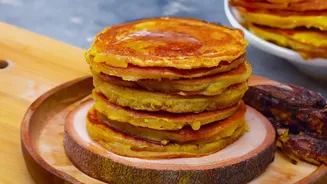
Creating savoury pancakes with watermelon rind is incredibly easy. For a simple batter, start with one cup of gram flour (besan) or a mix of whole wheat and rice flour. To this, add one cup of your prepared grated watermelon rind. Season the mixture with spices like half a teaspoon of turmeric powder, a teaspoon of cumin powder, finely chopped green chillies, and salt to taste. You can also add finely chopped onions and fresh coriander for extra flavour. Mix everything together, adding a small amount of water only if needed, to achieve a standard pancake batter consistency. Heat a lightly oiled pan or tawa over medium heat. Pour a ladleful of the batter onto the pan and spread it into a circle. Cook for a few minutes until the edges start to brown and the top looks cooked, then flip and cook the other side until golden. Serve hot with your favourite chutney or yogurt.
Easy Watermelon Rind Fritters (Pakoda)
The same principle applies to making delicious fritters. The batter for fritters should be slightly thicker to ensure it coats the main ingredients well. In a bowl, combine one cup of gram flour (besan) with spices such as red chilli powder, turmeric, and carom seeds (ajwain). Add a pinch of asafoetida (hing) and salt. Mix in about one cup of grated watermelon rind, along with other additions like sliced onions or chopped spinach. Add water sparingly to create a thick, spoonable batter. Heat oil for deep or shallow frying in a pan. Carefully drop spoonfuls of the batter into the hot oil and fry until they are golden brown and crisp on all sides. Remove the fritters with a slotted spoon and drain them on paper towels to absorb excess oil. These moist-on-the-inside, crispy-on-the-outside pakodas are a perfect tea-time snack.