


The Undercoat: A Double-Edged Sword
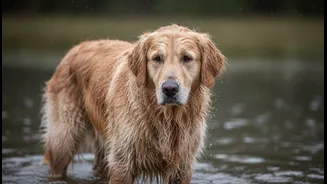
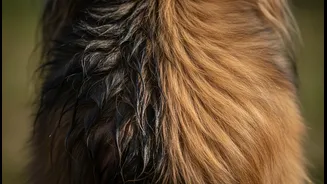
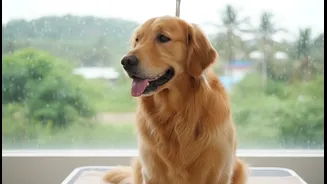
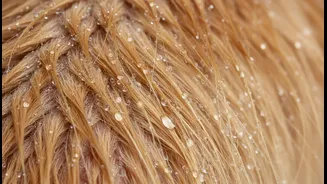
Many beloved long-haired breeds, like Golden Retrievers, German Shepherds, and Collies, have a double coat: a tough, water-resistant topcoat and a soft, dense undercoat. This undercoat is brilliant for insulation, keeping dogs warm in winter and cool
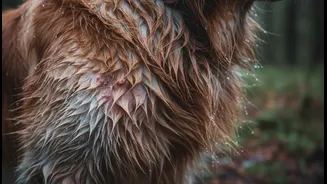
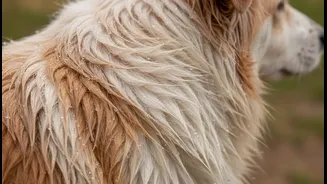
in summer. However, its density means it can act like a sponge. While the topcoat sheds water, the undercoat can trap moisture against the skin for hours, especially in humid weather. A quick towel dry often isn't enough to penetrate this layer, leaving a damp, warm environment that is hidden from view but perfect for bacteria and yeast to multiply.
From Damp Fur to Painful Hot Spots
The most common and painful consequence of a persistently wet undercoat is acute moist dermatitis, better known as a "hot spot". These are red, inflamed, and oozing lesions that can appear suddenly and expand rapidly, sometimes in just a few hours. What starts as minor skin irritation from the dampness prompts the dog to lick, chew, or scratch the area. This self-trauma breaks the skin's surface, introducing bacteria and creating a vicious cycle of itching and infection. The matted, wet fur over the top prevents air circulation, worsening the condition. Hot spots are incredibly painful and can lead to secondary bacterial and fungal infections if not addressed immediately.
Breeds Requiring Extra Vigilance
While any dog can develop skin issues, breeds with thick double coats or long, dense fur are particularly at risk. Owners of Golden Retrievers, Labradors, German Shepherds, Newfoundlands, Saint Bernards, and Collies should be especially diligent about drying. These breeds are not only structured to retain moisture but are also often genetically predisposed to skin allergies, which can be the initial trigger for the itching that leads to a hot spot. Any situation—a bath, a swim, or even a walk in the rain—can become a potential problem if the drying process is not thorough.
The Vicious Cycle of Extended Treatment
Treating a severe hot spot is not a quick fix, which is why the headline refers to "extended treatment courses." A vet will typically need to shave the entire affected area to allow the skin to breathe and be properly cleaned. This is often followed by a course of oral antibiotics to fight the bacterial infection, steroids or other anti-inflammatory drugs to control the intense itching and swelling, and medicated shampoos or topical sprays. The dog may also need to wear an Elizabethan collar (the dreaded "cone of shame") to prevent them from licking and further damaging the area, which can be stressful for the pet. This multi-pronged treatment can last for weeks and require several follow-up vet visits to ensure the infection is fully resolved and the skin is healing.
Prevention Is the Best Medicine
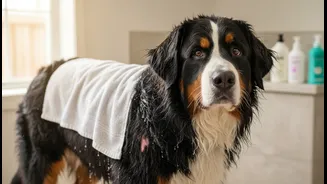
The key to avoiding this painful and costly ordeal is prevention, and that means proper drying. After any water exposure, towel-dry your dog by patting and squeezing the fur, not rubbing, as vigorous rubbing can cause tangles. For double-coated breeds, a towel is just the first step. The most effective tool is a high-velocity pet dryer used on a cool or warm setting—never hot. Work in sections, using the airflow to part the fur and ensure you are drying the undercoat all the way down to the skin. Keep the nozzle moving and at a safe distance from your dog's skin. It may take time, but a thorough drying routine is far less trouble than treating a full-blown skin infection.