

The Heart of the Celebration
Krishna Janmashtami, which falls on Friday, September 4, 2026, is a joyous festival celebrating the birth of Lord Krishna, the eighth avatar of Vishnu. Devotees observe fasts, sing bhajans, and decorate their homes and temples. A central part of the celebration
is the preparation of 'bhog'—special food offerings made with love and purity. This prasad, first offered to the deity, is a symbol of devotion. While grand feasts can include up to 56 dishes, known as 'Chappan Bhog', even a simple, heartfelt offering is cherished. Here are six beloved recipes that are perfect for your home celebration.
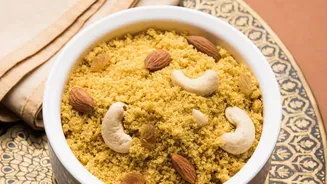
Dhaniya Panjiri: A Nutritious Classic
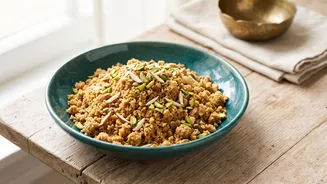
Dhaniya Panjiri is an essential prasad for Janmashtami, especially in North India. It's a wholesome and aromatic mix made from coriander seed powder, ghee, nuts, and sugar. To prepare it, start by dry roasting half a cup of coriander seeds until fragrant, then grind them into a coarse powder. In a pan, heat a few tablespoons of ghee and roast half a cup of mixed nuts like almonds, cashews, and makhana (fox nuts) until they are crisp. Allow everything to cool. In a large bowl, combine the ground coriander, roasted nuts, a quarter cup of grated dry coconut, and half a cup of powdered sugar or jaggery. Mix well. This nutritious offering is perfect for breaking the fast.
Makhana Kheer: A Creamy Delight
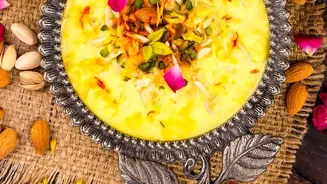
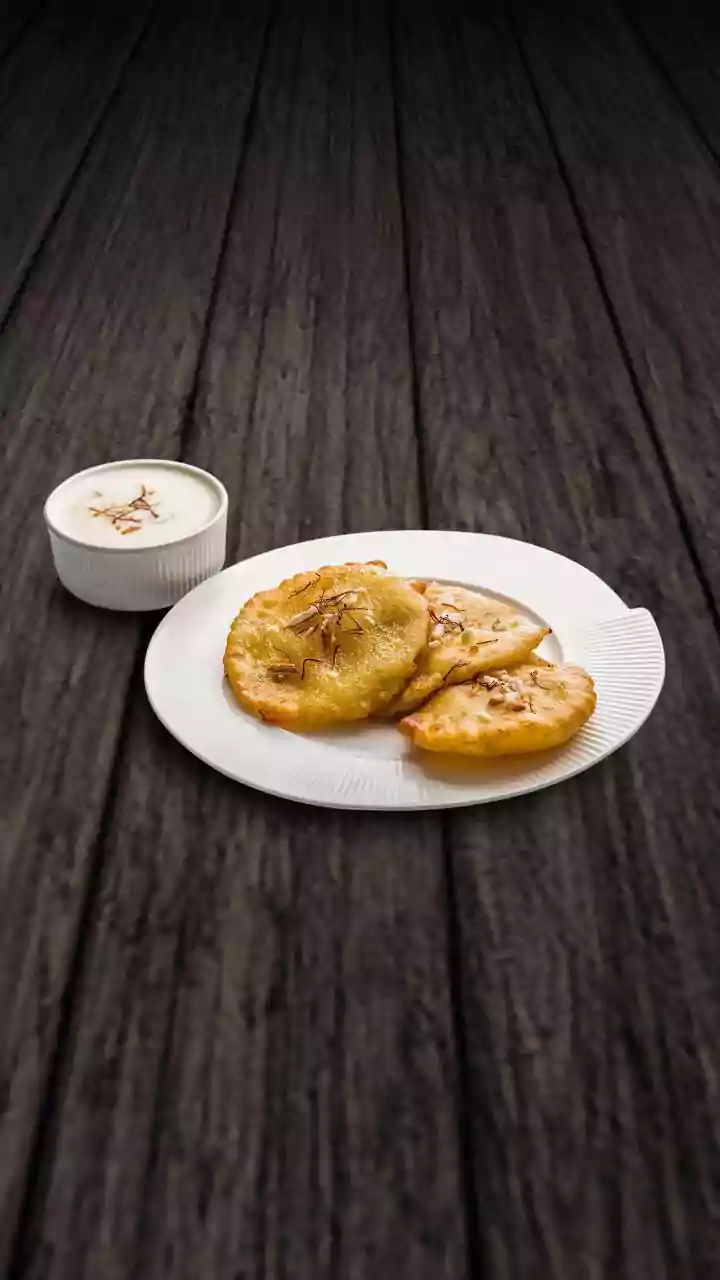
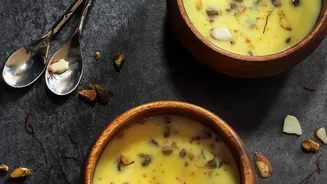
Lord Krishna’s fondness for milk and milk-based sweets is legendary, making Makhana Kheer a perfect bhog. This creamy pudding is not only delicious but also a healthy option for those fasting. To make it, roast one cup of makhana (fox nuts) in a tablespoon of ghee until they become crisp. Set aside a quarter of the roasted makhana and coarsely grind the rest. Bring one litre of full-fat milk to a boil in a heavy-bottomed pan. Add the ground and whole makhana and simmer for 15-20 minutes, stirring occasionally until the milk thickens and the makhana softens. Add half a cup of sugar, a pinch of cardamom powder, and a few saffron strands. Garnish with chopped almonds and pistachios before offering.
Gopalkala: Krishna's Favourite Snack
Gopalkala, also known as Dahi Poha, is a simple, no-cook dish from Maharashtra believed to be a favourite of a young Krishna. It represents the meal he shared with his friends. To prepare this, gently rinse half a cup of thick poha (flattened rice) and let it drain for a few minutes. In a bowl, whisk half a cup of curd (yogurt) with a pinch of salt and sugar. Add the poha, half a cup of finely chopped cucumber, and two tablespoons of grated coconut, and mix gently. For the tempering, heat a teaspoon of ghee, and add cumin seeds, chopped green chillies, and grated ginger. Pour the tempering over the poha mixture and combine. It's a refreshing and symbolic dish for the occasion.
Pulihora: A Tangy Savoury Offering
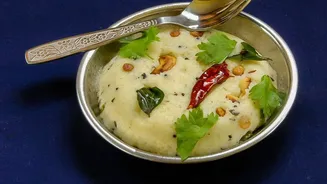
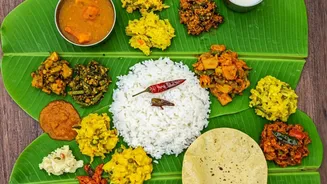
While sweets dominate the bhog menu, savoury dishes are also an important part. Pulihora, or tamarind rice, is a popular prasadam in South Indian temples and homes. To begin, cook one cup of rice and spread it on a plate to cool. Mix it with a little turmeric and oil. Soak a lemon-sized ball of tamarind in hot water and extract the thick pulp. Heat oil in a pan, add mustard seeds, chana dal, urad dal, and peanuts, and fry until golden. Add curry leaves and dry red chillies. Pour in the tamarind pulp, add salt and a small piece of jaggery, and cook until the paste thickens. Finally, mix this flavourful paste with the cooked rice until every grain is coated.
Nariyal Ladoo: Sweet Coconut Bites
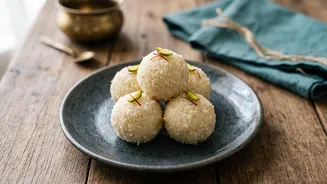
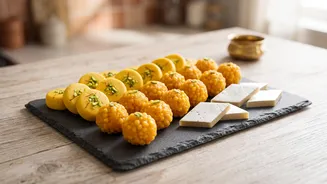
These melt-in-your-mouth coconut ladoos are incredibly easy to make and a festive favourite across India. All you need are a few simple ingredients. In a pan, lightly roast one cup of desiccated coconut for a few minutes until it’s fragrant, but not browned. Add half a cup of milk and half a cup of sugar, and cook on low heat, stirring continuously. The mixture will start to thicken and come together. You can also add a tablespoon of milk powder for extra richness. Once the mixture starts leaving the sides of the pan, turn off the heat and let it cool slightly. While it’s still warm, grease your palms with a little ghee and roll the mixture into small, round ladoos.
Charnamrit: The Nectar of Devotion
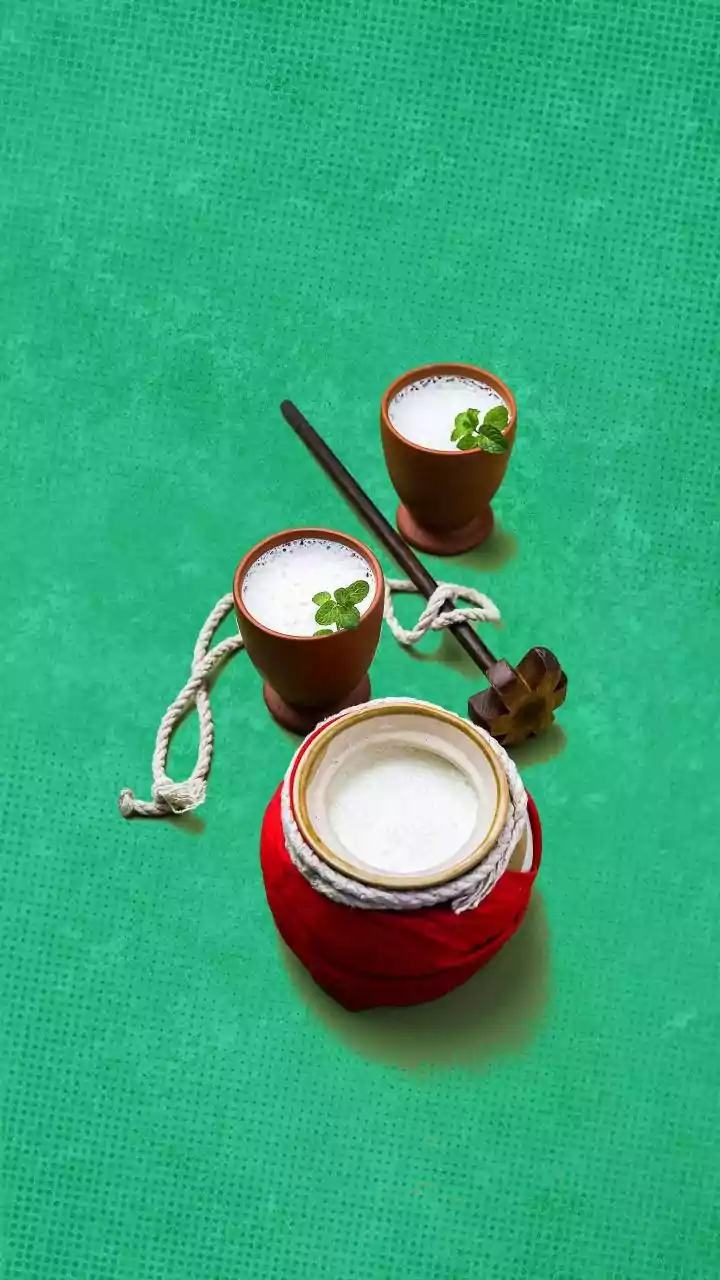
No puja is complete without Charnamrit or Panchamrit, the sacred nectar of the gods. This no-cook concoction is made from five key ingredients, each with its own symbolism. The word 'Panchamrit' itself means 'five nectars'. To prepare it, take a clean bowl and mix one cup of raw cow's milk, half a cup of curd, one tablespoon of honey, one teaspoon of ghee, and two tablespoons of sugar or mishri. Whisk them together until well combined. Many devotees also add a few fresh Tulsi leaves, which are considered sacred to Lord Vishnu and his avatars. This holy drink is first used for the ceremonial bath of the idol and then distributed as prasad.