




Why the Sudden Shift?
For generations, students living away from home have relied on a familiar trio: the college mess, a neighbourhood tiffin service, or the culinary skills of a local cook. While convenient, these options often mean compromising on taste, hygiene, or budget.
Today’s students, armed with YouTube tutorials and a growing wellness consciousness, are taking matters into their own hands. The motivation is simple and threefold: saving money, controlling nutritional intake, and reclaiming precious time during the hectic week. In an era of rising costs and demanding schedules, meal prepping isn't just a trend; it's a practical survival strategy.
The Economics of the Dabba
Let’s talk numbers. A single meal ordered online can cost anywhere from ₹150 to ₹300. A monthly mess bill often runs into several thousands, for food that is often uninspired. Contrast this with a weekly grocery haul. By buying vegetables, lentils, and grains in bulk, students can drastically cut their food expenses. A Sunday afternoon spent cooking can yield a week’s worth of lunches and dinners for a fraction of the cost of eating out. The math is compelling: planning and cooking your own food is the single most effective way to manage a tight student budget without subsisting on instant noodles. It’s an investment of time that pays rich financial dividends.
A Sunday Well Spent
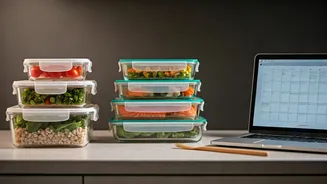
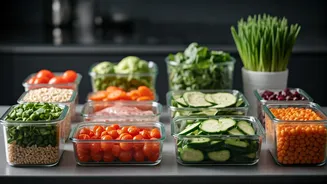
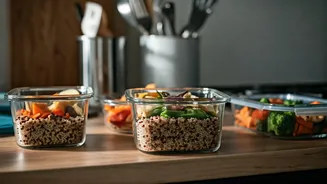
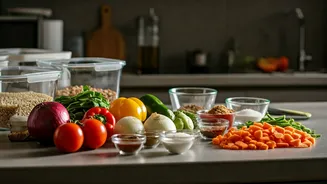
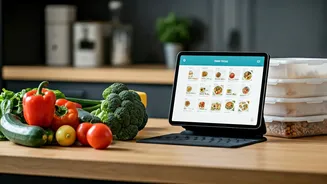
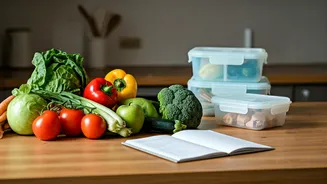
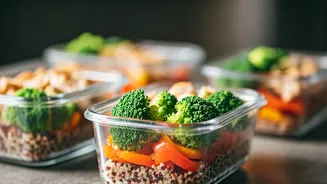
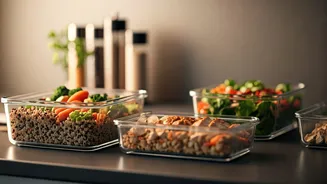
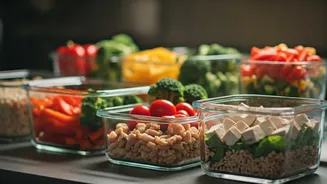
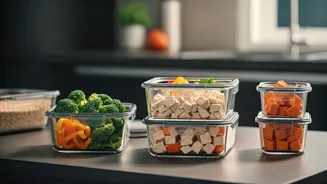
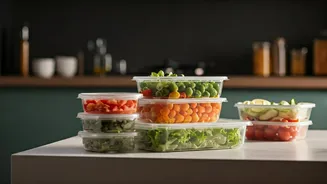
The typical meal prep ritual begins on a weekend. It starts with a plan—a simple menu for the week ahead. Think a base of rice or rotis, two versatile gravies like rajma and a mixed vegetable curry, a portion of dal, and some pre-chopped vegetables for quick stir-fries. The process is one of efficient, assembly-line cooking. While the pressure cooker whistles away with lentils, veggies are being sautéed on the stove. This batch-cooking approach means the kitchen gets messy only once a week. The result? A fridge stocked with neatly packed boxes, each holding a ready-to-eat, home-cooked meal. It's the ultimate 'thank you' from your past self to your future, time-crunched self.
What’s on the Menu?
The beauty of Indian cuisine is its inherent suitability for meal prepping. Many of our staple dishes taste even better the next day as the flavours meld and deepen. Popular choices for student meal preppers include sturdy, freezable gravies like chana masala, rajma, or dal makhani. Sooji upma or poha mixes can be prepared dry and just need hot water. Other clever hacks include making a large batch of a basic onion-tomato masala to use as a base for different curries, pre-boiling potatoes, and kneading a large batch of roti dough to last a few days. The key is to cook components that can be mixed and matched to create variety.
The Right Tools for the Job
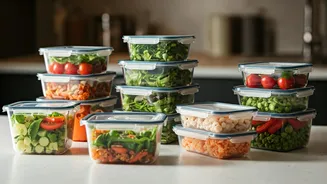
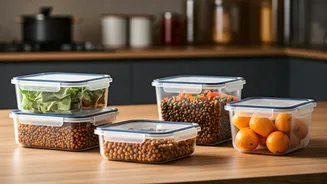
You don’t need a MasterChef kitchen to start meal prepping. The essentials are surprisingly few and affordable. A good set of microwave-safe, airtight containers is non-negotiable to keep food fresh and prevent leaks. A reliable pressure cooker is a student’s best friend, drastically cutting down cooking time for dals and legumes. Beyond that, a sturdy pan (kadhai), a cutting board, and a decent knife are all you need. Investing in a small set of basic spices—turmeric, red chilli powder, coriander powder, and garam masala—opens up a world of flavour and allows you to recreate that comforting 'ghar ka khana' taste.